Gator Pool Services

Salt Water Pool Vs Chlorine Pool

Salt Water Pool Vs Chlorine Pool​: Which One Is Right For You?

Are you thinking about building a new pool or switching your current pool system? Choosing the right type of pool can feel overwhelming because there are so many options available. One of the biggest decisions you will face is whether to go with a salt water pool vs chlorine pool, and understanding how each system works can make this choice much easier.
Saltwater and chlorine pools both keep the water clean and safe, but they work in very different ways. While a saltwater pool uses a generator to create chlorine naturally from salt, a traditional chlorine pool requires you to add chemicals manually. By learning the difference between saltwater and chlorine pools, you can figure out which system fits your lifestyle, maintenance habits, and budget.
In this blog, you will gain complete knowledge about the salt pool vs chlorine pool systems. All the information that you are going to get from here will help you know which pool is better, salt or chlorine, for your home. You will get to learn about the advantages and disadvantages of saltwater pools, the benefits and drawbacks of chlorine pools, a detailed saltwater vs chlorine pool pros and cons comparison table, and lastly, some factors to consider when choosing your pool type.

Saltwater Pools: Pros And Cons
Salt Water Pool
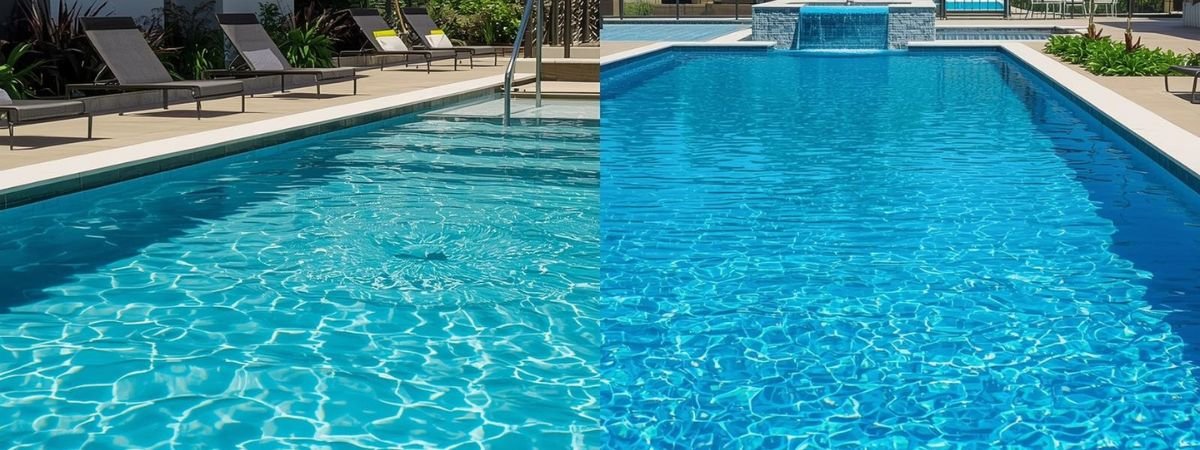
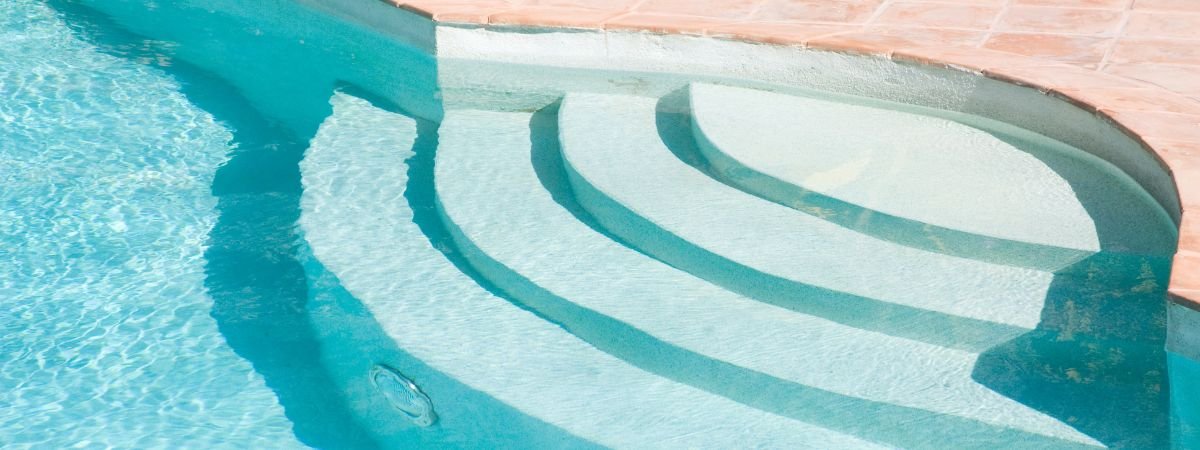
A saltwater pool is a swimming pool that uses a salt chlorine generator to produce chlorine naturally from dissolved salt in the water. This system keeps the water clean and safe while providing a softer, more comfortable swim. Unlike traditional chlorine pools, the chlorine levels are maintained automatically, reducing the need for frequent chemical handling. Many homeowners enjoy the gentle feel and smooth swimming experience that a saltwater pool comfort provides.

Pros

Saltwater pools offer multiple advantages. By reading below, you will learn about the benefits of salt water pool and why many homeowners prefer them.
  • Gentle on skin: The water feels soft and silky, reducing irritation to eyes, skin, and hair while allowing for a more enjoyable swim.
  • Low chemical maintenance: The salt chlorine generator automatically produces chlorine, lowering the need for frequent manual chemical additions.
  • Pleasant swim experience: Without strong chemical odors or harsh water, swimming in a saltwater pool feels refreshing and natural.
  • Cost savings over time: While the initial investment is higher, ongoing costs for salt are typically lower than buying chlorine regularly.
  • Reduced chemical handling: Homeowners only add pool-grade salt periodically, which means safer and simpler pool maintenance.

Cons

Even though there are multiple advantages of saltwater pools, there are some drawbacks. Keep reading to learn about the things to consider before choosing saltwater.
  • Higher initial cost: Installing a salt chlorine generator and compatible equipment can cost between $1,500 and $2,500.
  • Equipment corrosion: Salt can be harsh on metal fixtures, pool heaters, and certain stone or masonry, requiring careful material choices.
  • Professional repairs needed: Specialized equipment like the salt cell may need a technician for repairs, which can be expensive.
  • Ongoing maintenance considerations: The salt cell requires replacement every 3 to 7 years, and electricity is used to run the generator, slightly raising energy bills.

Chlorine Pools: Pros And Cons
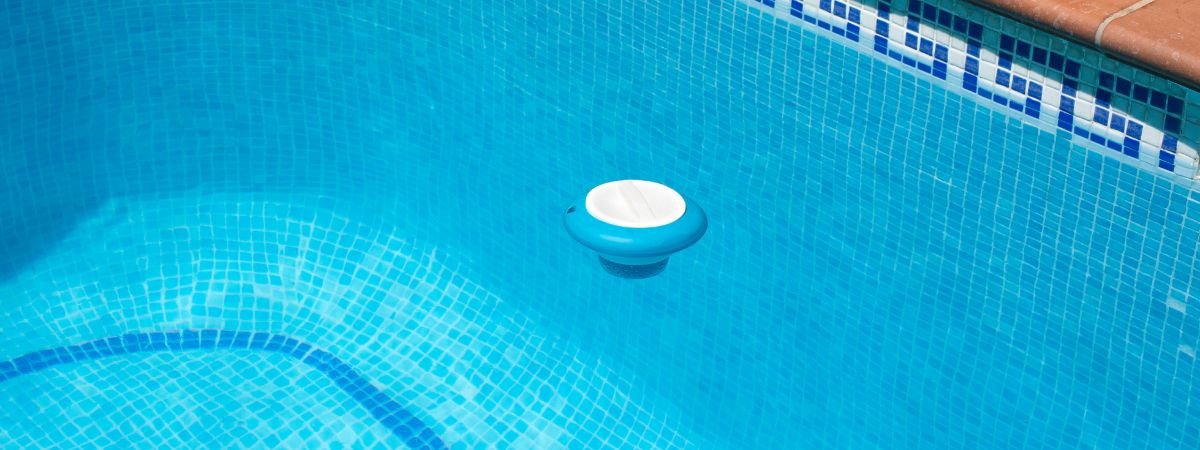
A chlorine pool uses chlorine-based products to keep the water clean, clear, and safe for swimming. These pools rely on regular chemical additions to control bacteria and remove unwanted contaminants. They are common because they are affordable to install and simple to understand. Many homeowners choose them because most pool stores offer easy access to supplies. This section also helps explain how traditional chlorine pools and how they work in a simple and clear way.

Pros

There are many traditional chlorine pool benefits, and by reading below, you will learn more about the chlorine pool pros and cons before deciding what suits your home.
  • Low setup cost: You only need basic equipment, which makes the starting cost much lower than other pool types. This makes chlorine pools easy for first-time pool owners. They also work well with most standard pumps and filters.
  • Strong cleaning power: Chlorine works quickly to remove unwanted germs and algae. It keeps water clear even during hot days or heavy use. This level of cleaning is one of the biggest effective sanitation advantages.
  • Easy DIY care: Many pool owners feel comfortable managing chlorine pool maintenance on their own. You can test the water, add the right product, and see results fast without needing special tools.
  • Fast water balance changes: If the water gets cloudy or the levels shift after a storm or pool party, chlorine can be added right away. The water usually balances within a short time, making the pool ready to use again.
  • Simple supply access: Chlorine products come in tablets, liquid, or granules, and you can find them in almost any pool store. This easy access helps keep maintenance simple throughout the year.

Cons

Even though chlorine pools offer many benefits, there are a few things to keep in mind. Continue reading to learn about the cons so you can fully understand the salt pool vs chlorine pool and salt water pool vs chlorine pool differences.
  • Skin and hair dryness: Higher chlorine levels can feel harsh on the skin, hair, and eyes. Swimmers may notice dryness after long sessions. Proper showering and balanced water can help reduce some of these effects, but they may still happen.
  • More ongoing costs: Chlorine needs to be added often, which increases long-term spending. These regular purchases can cost more per year compared to systems that create their own chlorine. Many owners notice these costs the most during hot months.
  • Chemical storage needs: Chlorine products must be stored safely to keep them away from pets and children. The containers need a cool and dry place. This makes safety a bigger part of day-to-day pool care.
  • Strong smell issues: When chlorine reacts with sweat, sunscreen, or body oils, it creates chloramines. These give off the well-known pool smell. If the levels build up, the pool may need shock treatment to refresh the water.

Saltwater Pool Vs. Chlorine Pool: A Clear Comparison Table
comparision
If you are having trouble deciding between a saltwater pool and a chlorine pool, then the detailed table below has helpful information that will make your choice easier.
This pool type comparison table highlights key points people often overlook, giving you a simple view of the salt pool vs chlorine pool differences without repeating anything from the pros and cons sections. It also supports a strong saltwater vs chlorine pool comparison for readers who want quick answers.

Feature

Saltwater Pool

Traditional Chlorine Pool

Water Stability

Water levels stay steadier because the system creates its own sanitizer throughout the day.

Levels can change faster and may need more testing after heavy use or weather changes.

Swimming Comfort

Very smooth, gentle swim, often preferred by people with dry skin or mild sensitivity (saltwater pool comfort).

Water can feel sharper during long swims, especially for people with sensitive skin.

Longevity of Equipment

Equipment life can vary based on material quality and water balance.

Pumps, liners, and filters often last longer when the water is kept in the right balance.

Seasonal Maintenance

Needs seasonal checks of the generator and salt levels, especially at the start and end of swimming months.

Needs seasonal stocking of chemicals and shock treatments before opening and closing the pool.

Temperature Response

The system may produce less chlorine in colder water, so light adjustments may be needed.

Works the same in both warm and cold water, which helps keep levels steady.

Water Clarity

Water often stays clear for longer due to slow and steady sanitizer output (saltwater pool).

Water clarity can change more quickly if chemical levels are not checked often.

Energy Use

The generator uses steady power, which can slightly increase energy use.

Energy use depends mainly on the pump cycle, not the sanitizing method.

Family-Friendly Use

Good choice for families who want less smell and softer water for kids and frequent swimmers.

Good choice for people who want fast water adjustments and do not mind higher chemical use.

Overall Feel in the Water

Many swimmers enjoy the mild, smooth feel of the water (saltwater chlorine pool differences).

Has the classic pool design feel that most people are already familiar with

Factors To Consider When Choosing Your Pool Type

pool maintainence
Before you make the final decision on which pool you want, there are a few things you should consider. By reading below, you will learn about the factors to consider when choosing between saltwater and chlorine pool systems.
  • Budget Planning: Your pool budget matters both now and later. Saltwater systems cost more at the start, while chlorine pools cost more over time. Think about how long you plan to use the pool and which option feels right for you and your family.
  • Maintenance Style: Some people like simple, low-effort care, while others enjoy hands-on upkeep. Saltwater systems reduce daily tasks, while chlorine pools need more frequent checks and treatments. Choose the option that fits your lifestyle and weekly routine.
  • Health and Comfort: If you have sensitive skin, allergies, or prefer softer water, the benefits of salt water pool systems may feel better for you. Chlorine pools give steady sanitation but can feel sharper on the skin during long swims.
  • Location Setup: Indoor and outdoor pools behave differently. Outdoor pools may need more chemical adjustments due to sunlight and rain. Indoor pools stay more stable, but you still need a system that matches your space and comfort needs.
  • Usage Frequency: A family that swims often might enjoy softer, silky water for daily comfort, while occasional swimmers may prefer the classic feel of a chlorine pool. Think about how often the pool will be used every week.
  • Equipment Fit: Some yards and pool materials match better with one pool type. Saltwater systems work best with salt-friendly equipment, while chlorine pools work well with nearly all setups. This helps you make the best pool type for your home without future problems.
  • Swim Experience Preference: If you like gentle, smooth water and less odor, a saltwater setup might feel better. If you prefer simple control and quick adjustments, chlorine may be easier. This is a helpful point when comparing a saltwater pool vs a chlorine pool and looking at long-term comfort.

Choosing The Pool That Suits You Best
swimming pool

Salt Water Pool

A saltwater pool provides a smooth, gentle swimming experience that is easy on the skin and eyes. The water is naturally softer, which makes long swims more comfortable for everyone in the family. These pools often feel more like a natural lagoon, and the automated chlorine production reduces the need for daily chemical handling. While the setup requires slightly more planning and a salt-friendly environment, it can be a low-stress option for regular swimmers who want a calm, consistent pool experience.

Chlorine Pool

A traditional chlorine pool offers a straightforward and familiar approach to swimming pool care. The system is simple, well-understood, and can be installed in nearly any backyard without special equipment. Chlorine pools give you direct control over water chemistry and sanitizer levels, which is useful for quick adjustments after parties or heavy rainfall. This type of pool works well for families who do not mind routine maintenance and want an easy-to-repair, flexible setup.

Conclusion

Choosing the right pool for your home becomes much easier once you understand what each option offers. Here, you have learned about the difference between saltwater pools and chlorine pools, which will help you decide which one suits you best. You explored the advantages and disadvantages of saltwater pools, the benefits and drawbacks of chlorine pools, a clear comparison table showing how they differ, and finally, the key factors to consider when choosing your pool type. Both options have their own strengths, and the best choice depends on your lifestyle, comfort preferences, and long-term budget. If you are still unsure which pool type fits your needs, you can always reach out to a trusted pool professional to help you make the right choice.
At Gator Pool Services, we take pride in helping homeowners enjoy cleaner, safer, and better-running pools all year long. We offer simple, reliable, and stress-free pool care that fits your routine, whether you need weekly cleaning, equipment repairs, or a full system upgrade. Our team focuses on honest guidance, clear communication, and high-quality service that keeps your pool looking its best without the hassle. If you ever need support or want to book a service, you can reach us at info.example@gmail.com or call us at (123) 456-0000. We are here to make pool care easy for you.

Frequently Asked Questions (FAQs)

A saltwater pool does not really taste salty, and most people never notice anything different at all. The salt level is so gentle that the water feels soft and easy on your skin. Some swimmers might pick up the slightest hint of salt, but nothing strong or unpleasant. If the water ever tastes more salty than usual, it normally just means the salt level needs a quick check to bring everything back to normal.
A saltwater pool should be checked by a professional about once a year, and most people like to do this before the busy swimming months. This yearly visit makes it easier to catch small problems early and keep everything working smoothly. It also helps your equipment last longer. If the pool goes through rough weather or gets used a lot, booking an extra check-up is a smart move. And if something suddenly feels off, calling a professional right away is always the safest choice.
Yes, you can add a saltwater system to an existing chlorine pool, and a lot of pool owners choose this upgrade because it feels simple and smooth. A salt chlorine generator is added to the setup you already have, and then pool-grade salt is poured into the water so the system can start doing its job. You do not need to drain the pool in most cases, which makes the whole process feel much easier. Once the generator is installed and the salt spreads through the water, your pool begins creating its own chlorine, and looking after it starts to feel a lot more relaxed and steady.
Saltwater pools are often gentler and more comfortable for young children because the water feels soft on their skin and eyes, and does not have the strong chemical smell that chlorine pools can have. Parents also like that there is less need to store harsh chemicals around the house. Still, the most important factor for a child’s safety is constant adult supervision and following simple pool safety rules.
A chlorine pool is not automatically the best choice for homes in humid or rainy areas, but it does give you more control to adjust chemicals quickly when needed. After heavy rain or during sticky, humid days, you can shock the water or add chlorine to keep it balanced and clear. Saltwater pools work too, but rain can dilute the salt and slow down the generator. Either way, checking and maintaining your pool regularly is key to keeping it safe, clean, and comfortable for swimming.
Saltwater pools and chlorine pools both attract insects, but in slightly different ways. Bees are naturally drawn to saltwater pools because they need salt for their bodies, while mosquitoes can still find either type of pool appealing if the water sits stagnant. Chlorine pools help prevent mosquito larvae from growing because of the chemicals in the water. In the end, the main difference is that bees are more interested in saltwater, but keeping the pool clean and moving the water regularly is the best way to reduce bugs in both pool types.
Cleaning a chlorine pool is very similar to cleaning a saltwater pool because both use the same basic tools, like skimmer nets, brushes, and vacuum heads. The main difference is that saltwater pools need special corrosion-resistant tools and a salt test kit to check salinity, while chlorine pools can use regular equipment without worry. This makes chlorine pool maintenance simpler and easier to handle for most homeowners, without extra steps or special tools.
Scroll to Top