Choosing the right swimming pool for your backyard is an exciting but important decision. The material you pick can affect not only your pool’s look but also its cost, lifespan, comfort, and maintenance. From energy efficiency to safety and long-term enjoyment, understanding these factors can help you avoid costly mistakes and make the most of your backyard investment.
Finding clear, unbiased information online about fiberglass, vinyl liner, and concrete pools can be frustrating. Many forums turn into endless debates without providing real answers. Homeowners want a simple, honest, and easy-to-understand guide that explains each pool type, shows the pros and cons, and then lets them make their own choice. This blog aims to fill that gap with a straightforward inground pool material comparison you can trust.
In this blog, you will get to learn about a quick comparison between fiberglass vs concrete, vs vinyl liner. You will gain valuable knowledge about each one of them, starting with fiberglass pools. We will explain what a fiberglass pool is, its pros and cons, and who it is best suited for. Then we will cover vinyl liner pools and concrete pools in the same way, followed by comparisons of cost, maintenance, installation time, durability, and design options so you can decide which is the best pool for your family. By the end, you will understand what is the best type of inground pool for your backyard and feel confident making your decision.
Quick Comparison: Fiberglass Vs Concrete Vs Vinyl Liner
There are different types of inground pools, including Fiberglass, Concrete, and Vinyl Liner. Many homeowners find it hard to choose the right one. Below, you will learn about these three pools to help make the best decision.
Fiberglass Pools: Overview
If you want to learn everything about Fiberglass Pools, keep reading. Below, you will find information on what a fiberglass pool is, its main pros and cons, and who it is best suited for, helping you decide if it is the right choice for your backyard.
1. What Is A Fiberglass Pool?
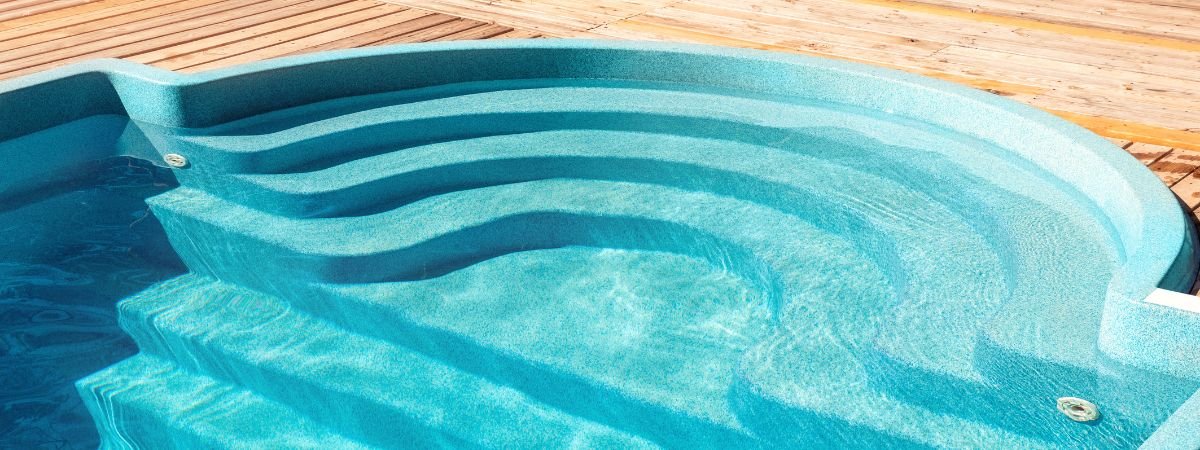
A fiberglass pool is an inground swimming pool made from a single, pre-molded shell of fiberglass-reinforced plastic. It is manufactured in a factory under controlled conditions and then transported to the homeowner’s property in the US. Installation involves digging a prepared hole, creating a base of sand or gravel, placing the pool shell, connecting plumbing, and backfilling. The smooth gel coat surface is non-porous, naturally resisting algae growth and helping maintain cleaner water with less effort.
The pre-molded design allows faster installation than other pool types, usually in 2 to 4 weeks. Comparing fiberglass pool vs concrete pool, fiberglass is simpler to set up. Knowing fiberglass pool benefits and drawbacks helps homeowners understand why it is a low-maintenance, long-lasting option.
2. Pros Of Fiberglass Pools
Fiberglass pools offer many great advantages for homeowners. Keep reading to discover the main pros of fiberglass pools and why they are a popular choice in the US.
- Low Maintenance: The smooth, non-porous surface resists algae and dirt. This means less scrubbing, fewer chemicals, and more time enjoying your pool instead of cleaning it.
- Smooth Surface Comfort: Fiberglass is gentle on skin, feet, and swimwear. Built-in steps and seating areas often include slip-resistant textures for added safety.
- Faster Installation: The pre-molded shell arrives ready to set. Most pools are installed in 2–4 weeks, letting you swim sooner than with concrete pools.
- Long-Term Durability: Fiberglass is strong yet flexible, resisting cracks from ground movement or freeze-thaw cycles. It has a longer pool lifespan, fiberglass, concrete vinyl comparison favors in many climates.
- Built-In Features: Many designs come with tanning ledges, benches, and steps already molded in. These features add comfort and style without extra cost.
3. Cons Of Fiberglass Pools
Fiberglass pools have many advantages, but there are some drawbacks that homeowners should keep in mind before deciding. Consider these points when comparing fiberglass pool benefits and drawbacks, and fiberglass pool cost.
- Limited Shapes: Fiberglass pools come in pre-made molds, so you are restricted to existing designs. Creating a custom shape or extra-deep end is not possible, like with concrete pools.
- Size Restrictions: Transport rules limit width and length. Very large backyards may not fit oversized pools, making fiberglass less flexible for unique lot sizes.
- Higher Upfront Cost: Installing a fiberglass pool usually costs more initially than a vinyl liner pool. Factory-made shells and delivery add to the starting price, even though lifetime costs are lower.
- Color-Finish Repairs: If the gel coat gets faded, blistered, or damaged, repairs must be done by specialists. Matching the original color and smooth finish can be challenging and expensive.
4. Who Should Choose Fiberglass?
Fiberglass pools are best for homeowners who want a low-maintenance, long-lasting pool that is ready to enjoy quickly. Busy families, pet owners, and anyone who prefers less time cleaning and balancing chemicals will find fiberglass ideal. It is also great for people planning a saltwater system or living in areas with extreme weather, as the flexible shell handles freeze-thaw cycles and intense sun without major damage.
People satisfied with standard shapes and sizes, or those who value fiberglass pool vs concrete pool in terms of fast installation and long-term savings, will appreciate this option. If you want to know which is the best pool for convenience, efficiency, and comfort, fiberglass often stands out.
Vinyl Liner Pools: Overview
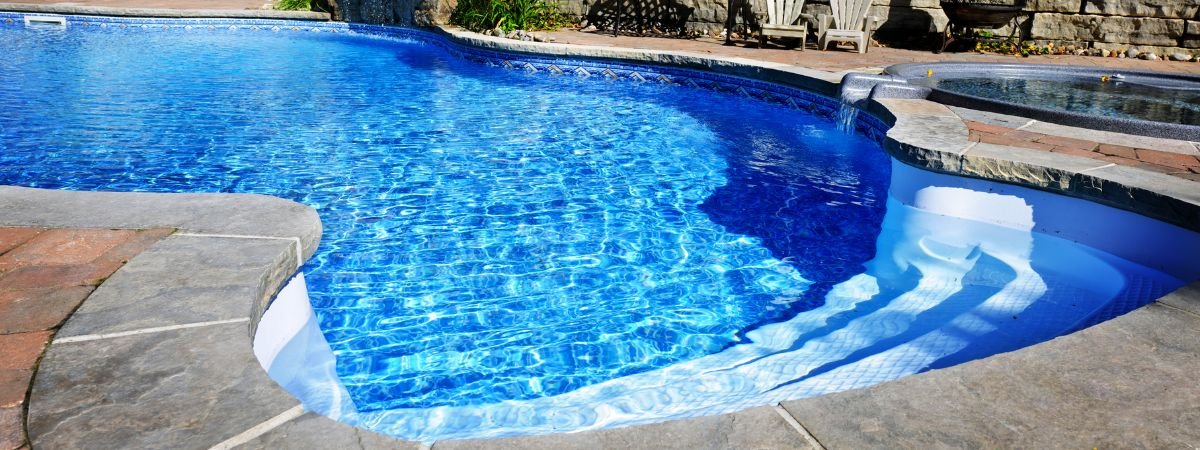
Vinyl liner pools are another popular choice for in-ground swimming pools. They offer a smooth, soft surface and come in many shapes and sizes. Choosing the right pool can feel overwhelming, so below you will learn more about vinyl liner pools, how they work, and what makes them different from fiberglass and concrete, helping you decide which option fits your backyard and lifestyle best.
1. What Is A Vinyl Liner Pool?
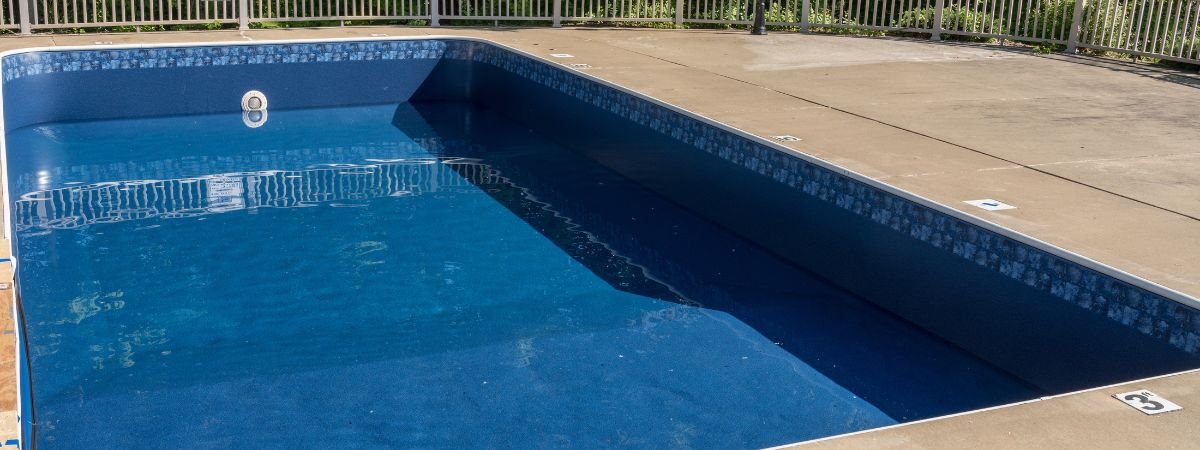
A vinyl liner pool is an in-ground swimming pool built using a strong frame made from steel, aluminum, or durable polymer panels. The frame is assembled on-site, inside a pre-dug hole, and forms the walls that hold the pool shape. A smooth concrete or grout floor is often added for stability, and the walls are reinforced with backfill to keep everything secure.
Over this frame, a custom-made vinyl liner is installed. This flexible sheet acts as a water barrier, holding the pool water while creating a soft, smooth surface. Liners come in different thicknesses, colors, and patterns, making it possible to match your backyard style. This setup provides a cost-effective and practical pool structure.
2. Pros Of Vinyl Liner Pools
There are many benefits that come with choosing a vinyl liner pool, and each one can make your swimming experience easier and more comfortable. Keep on reading to discover the main vinyl liner pool advantage that homeowners appreciate.
- Lower cost: Vinyl liner pools are known for having a low upfront price, which makes them a good choice for families who want an inground pool without a heavy starting budget. The materials and installation process are simpler, helping you save money from the beginning.
- Custom shapes: These pools can be made in many shapes and sizes, giving you the freedom to choose a layout that suits your space. You can plan deeper spots, special steps, or unique curves to match your backyard design.
- Soft surface: The liner feels smooth on the feet and skin, which makes swimming more gentle and enjoyable. It also helps prevent scratches that can happen with rougher pool surfaces, especially for children who like to play in the water.
- Algae resistance: The smooth finish does not allow algae to grip easily, which helps keep the water clearer with less effort. This makes regular cleaning faster and helps reduce the number of cleaning products you need to use.
- Easy care: Vinyl liners are simple to clean and look after, making weekly maintenance more manageable for busy families. Small tears can often be patched quickly, allowing you to extend the life of the liner without replacing the entire surface.
3. Cons Of Vinyl Liner Pools
Vinyl liner pools come with certain drawbacks that homeowners should understand before choosing this type of pool. Below, you will learn about the main vinyl liner pool disadvantages in a clear and simple way.
Regular replacements: Vinyl liners need to be replaced every few years, depending on weather, water care, and daily use. This adds ongoing costs that you must plan for over the years. Prorated warranties often cover only part of the replacement, so the final amount can still be high.
Easy damage: The liner material can tear from sharp toys, pet claws, or rough cleaning tools. Even a small hole needs fast repair to avoid water loss. Some damage can be patched, but bigger issues may require a full liner change.
Lower value: Many buyers see vinyl liner pools as less permanent than other pool types, which can affect the resale appeal of the home. The liner can also fade or stain as it ages, which may change the look of the pool over time.
Visible seams: The seams where the vinyl is joined can sometimes be seen, especially as the liner gets older. This can take away from the overall appearance and may make the pool look less smooth and uniform.
4. Who Should Choose Vinyl Liner?
Vinyl liner pools are a good fit for homeowners who want a pool that is easy to shape to their personal style and who prefer a lower entry cost. This option works well for people who want more control over the shape, depth, or layout of their pool without paying for higher-priced construction methods. It also suits families who like a soft surface that feels gentle on the skin and safe for regular use.
This type of pool is also helpful for homeowners who may move within a few years and do not want to invest heavily in long-term upkeep. It is a practical choice for those who enjoy light do-it-yourself tasks and want a backyard upgrade without a major financial commitment. Understanding these points can help you compare options when asking Which is the best pool for your home.
Concrete Pools: Overview
Concrete pools are a strong and long-lasting option for in-ground swimming pools. They provide full design freedom and can be shaped in almost any way you want. Below, you will learn how concrete pools are built and what makes them different from fiberglass and vinyl liner options.
1. What Is A Concrete Pool?
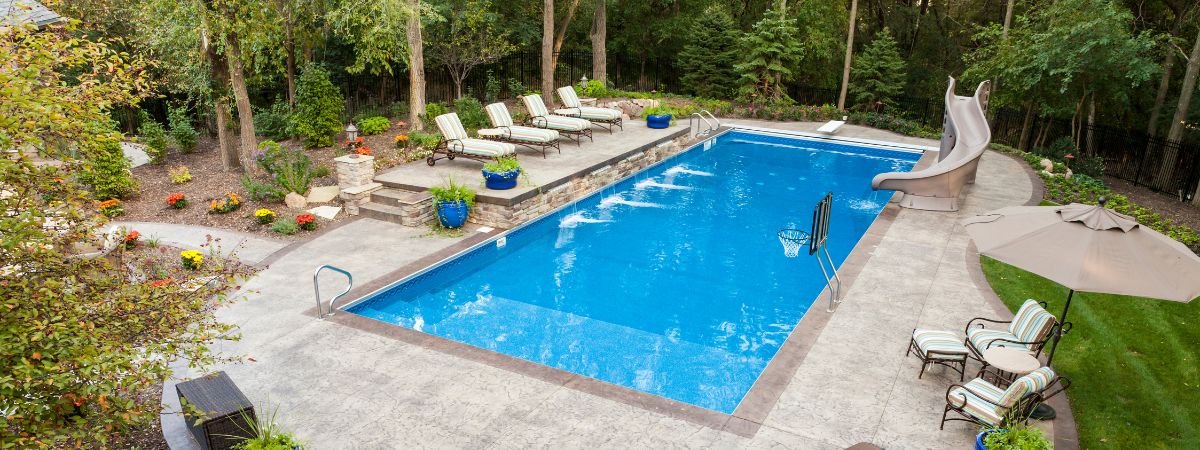
A concrete pool is built entirely on-site by forming a strong steel frame inside a prepared hole and then spraying it with a mix of sand and concrete called gunite or shotcrete. This method creates a solid structure that can be shaped in many different ways. Once the concrete hardens, workers smooth and prepare the surface so it is ready for the final finish.
After the base structure is complete, the pool is coated with materials like plaster, aggregate, or tile, which help seal the surface and add colour and texture. This type of pool is often chosen for its sturdy build and the freedom it gives homeowners to create a layout that fits their space and style.
2. Pros Of Concrete Pools
Concrete pools come with many strong benefits that make them a preferred choice for homeowners who want a long-lasting and fully custom pool. Keep reading to learn about the key advantages of choosing this pool type.
- Total design freedom: Concrete pools can be shaped in almost any way because everything is built on-site. This allows homeowners to create unique curves, custom layouts, and designs that cannot be achieved with pre-made shells.
- Any size or depth: Since there are no factory limits, the pool can be built to match large backyards, deep swimming areas, or special features like raised sections and built-in seating. This gives you full control over how the pool is used.
- Strong, long-lasting build: The reinforced steel and sprayed concrete structure creates a sturdy pool that can remain in place for many decades. With proper care, the shell can stay solid even as styles or finishes change over time.
- Luxury-friendly design: Concrete works well for homeowners who want artistic or high-end features like infinity edges, custom spas, and multi-level steps. It is often chosen for properties aiming for a premium, resort-style appearance.
- Many finish options: After the concrete sets, you can choose from plaster, pebble, or tile finishes. Each finish offers a different texture and look, allowing the pool to match your personal style or the overall design of your outdoor space.
3. Cons Of Concrete Pools
Concrete pools come with a few downsides that homeowners should know about before choosing this type. Read below to learn about the main disadvantages and understand what you can expect over time.
- Slow installation time: Concrete pools take the longest to build because every step happens on-site. The digging, framing, spraying, and curing process can stretch over several months, which means your yard stays under construction for a long period.
- High ongoing upkeep: The porous surface of a concrete pool needs more cleaning, brushing, and chemical balancing. This type of pool can attract algae more easily, so you may spend extra time and money on regular care.
- Rougher surface feel: Standard plaster and aggregate finishes can feel slightly harsh on feet and skin. Active swimmers may notice small scrapes or irritation, especially during long play sessions or frequent use.
- Costly resurfacing needs: Concrete pools need resurfacing after some years, as the finish begins to wear down. This type of work can be expensive and adds to the long-term cost of owning a concrete pool.
4. Who Should Choose Concrete?
Concrete pools are a strong choice for homeowners who want complete design freedom and prefer a pool that is planned and built exactly around their space. They suit people who enjoy shaping every detail of their backyard layout, especially when the property has slopes, unusual layouts, or areas that need a fully customised build. Homeowners who want a pool that feels like a long-term part of the home often find this option appealing.
They are also ideal for families who want special features that are not possible with other pool types. Concrete works well for deep ends, wide tanning ledges, or detailed landscaping that blends naturally into the pool area. If you have a clear vision and want a pool that follows that plan without limits, concrete is the best fit.
Cost Comparison: Upfront Vs Long-Term
The overall cost of a pool depends on what you pay during the initial build and what you spend over the years to keep it clean, safe, and looking good. This table breaks down the cost comparison of fiberglass, concrete vinyl pool options so you can understand how each one fits into your long-term plans for a swimming pool installation or even a future salt water pool setup.
Category | Fiberglass | Vinyl Liner | Concrete |
Upfront Cost (General Range) | Moderate upfront price due to the pre-made shell and faster installation. This also reflects the typical fiberglass pool cost seen across the US. | Lowest upfront price because materials and the installation process are simpler. | Highest upfront price due to custom shaping and on-site building work. |
Long-Term Cost (General Range) | Lowest long-term cost because the surface is smooth and easier to care for. | Moderate long-term cost since liners must be replaced over time. | The highest long-term cost is because the surface needs more care and uses more chemicals |
Common Ongoing Needs | Light cleaning and simple water balancing. | Routine cleaning and standard water care. | Frequent brushing and more hands-on upkeep. |
Major Future Expenses | Occasional surface renewal after many years. | Liner replacement after repeated wear. | Full resurfacing after long use cycles. |
Best Fit For | Homeowners looking for easy care and long-term savings during a swimming pool installation or even a future saltwater pool setup. | Homeowners want a more budget-friendly starting point. | Homeowners want full design freedom and a long-term custom build. |
Maintenance Comparison
Every pool type has its own level of care, and understanding the differences helps you plan for smoother pool maintenance throughout the year.
Fiberglass Pools
Maintenance Difficulty: Easy
Fiberglass pools are the easiest to care for, mainly because the smooth surface does not hold algae. Most of the work involves light vacuuming and simple water checks, which keep weekly tasks very manageable. Chemical use stays low, and the surface rarely needs major work for many years.
Concrete Pools
Maintenance Difficulty: Intensive
Concrete pools need the most hands-on care due to their rough and porous surface. They often require firm brushing to keep algae from settling in, along with higher chemical use to keep the water balanced. Stain control and surface touch-ups also add to the ongoing workload.
Vinyl Liner Pools
Maintenance Difficulty: Moderate
Vinyl liner pools offer a simple cleaning routine with light brushing and regular skimming. The surface does not hold algae easily, but homeowners must take care to protect the liner from tears or sharp objects. The main long-term task is replacing the liner when it starts to show wear.
Installation Time Comparison
Each pool type has its own installation speed, which affects how soon the project is completed and how long your yard remains under construction.
Fiberglass Pools
Fiberglass pools offer the fastest installation because the shell is made ahead of time and delivered ready to place. Once the site is prepared, the shell is set in place, and the surrounding area is finished. This shorter timeline helps reduce disruption and allows families to start using the pool sooner. It is the quickest option for a complete backyard upgrade.
Vinyl Liner Pools
Vinyl liner pools have a moderate installation time, as the structure is built on-site and then fitted with a liner. The steps take longer than setting a pre-made shell, but the process still moves at a steady pace. Homeowners can expect a structured build that balances speed and flexibility. It offers a middle-ground timeline for those wanting a smooth project flow.
Concrete Pools
Concrete pools take the longest to install because they are fully built on-site and require many careful steps. Each stage, from forming the shape to applying the finish, must be completed in order. This extended timeline makes it ideal for homeowners who want a custom design and do not mind a longer build. It delivers a detailed finish but requires patience during construction.
Durability And Lifespan Comparison
Every pool type can last for many years when the shell is strong, the surface is cared for, and the pool is cleaned regularly.
Aspect | Fiberglass | Vinyl Liner | Concrete |
Shell Durability | Flexible shell lasting 30–50+ years, moves slightly with the ground, very resistant to cracking | Wall structure and concrete base last 20–30 years if maintained | Very strong shell lasting 50+ years when built on firm soil |
Surface/Liner Lifespan | Gel coat lasts 15–25 years before optional re-coating | Vinyl liner lasts 8–10 years and must be replaced periodically | Plaster or aggregate lasts 10–15 years before resurfacing is needed |
Wear and Maintenance | Minimal surface wear, easy to clean, gentle cleaning protects the smooth finish | Susceptible to punctures or tears, requires careful cleaning | Can develop small cracks or surface etching, needs regular brushing and chemical care |
Factors Affecting Lifespan | Sun exposure, rough cleaning, and installation damage | Sharp objects, pets, cold winters, and low water levels | Ground movement, poor water balance, heavy use, freeze-thaw cycles |
Aesthetic And Design Options
In the US, pool materials affect design freedom, finishes, and add-ons, making some better for artistic expression and others for practical elegance.
Fiberglass Pools
- Shapes are limited to pre-fabricated molds, usually rectangles, kidneys, or Roman ends
- Sizes are restricted by transportation limits, generally around 16 feet wide
- Smooth gel coat finishes in blue, green, gray, or white create a modern look
- Built-in steps, benches, and tanning ledges are included in the mold
- Lighting and small water features can be added, but placement is limited
Vinyl Liner Pools
- Highly flexible in shape and size, can accommodate freeform or geometric designs
- Liner patterns mimic tile, stone, or aggregate, but customization is limited to available designs
- Steps, tanning ledges, and shallow areas can be configured during installation
- Can include lighting and small waterfalls, though complex features are challenging
- Offers a balance between creativity and cost-effective options
Concrete Pools
- Unlimited shape, size, and depth, ideal for artistic and custom pool designs
- Interior finishes include plaster, aggregate, or tile for a luxury feel
- Easily integrates complex features like infinity edges, fire elements, or swim-up bars
- Steps, tanning ledges, and ledges of any size can be fully customized
- Can include lighting, waterfalls, fountains, and multiple water features without structural limits
Which Pool Type Really Is The Best?
Choosing the best pool type depends on your budget, design goals, maintenance tolerance, and how quickly you want your pool ready to swim. Here, you have learned about a quick comparison between fiberglass, concrete, and vinyl liner pools. You gained valuable knowledge about each type, starting with fiberglass pools, including what they are, their pros and cons, and who they suit best. Then we covered vinyl liner and concrete pools in the same way. After that, you explored cost comparisons, pool maintenance, installation time, durability, and aesthetic options to help guide your decision. Quick recommendations: for low maintenance, fiberglass; for maximum customization, concrete; and for a budget-friendly starter pool, vinyl liner.
We at Gator Pool Services are dedicated to keeping your pool sparkling clean and perfectly maintained all year round. We offer expert pool cleaning, repairs, and equipment servicing with a focus on quality and reliability. Whether you need routine maintenance or emergency support, we are here to make your pool safe, enjoyable, and hassle-free. Reach out to us anytime at (123) 456-0000 or email us at info.example@gmail.com, and let us help you enjoy a pristine pool without the stress. Your perfect pool experience is our priority, and we take pride in delivering friendly, professional service every time.
Frequently Asked Questions (FAQs)