Most pool owners think about water chemistry, filters, and pumps. The surface itself often gets ignored until something goes visibly wrong. But the interior finish of your pool is doing constant work. It seals the concrete shell from the water and takes the full brunt of chemicals, temperature swings, and physical wear every single day.
When that finish breaks down, the problems go beyond appearance. Water starts working its way into the shell. Over time that causes structural damage that costs far more to fix than a standard resurfacing job would have.
Why Florida Accelerates Surface Wear
Pools in Florida degrade faster than pools in most other states. There are specific reasons for this.
- Year-round use. Most northern pools close for 4 to 6 months per year. Florida pools run 12 months. That doubles or triples the wear cycle compared to seasonal pools.
- UV exposure. Florida averages around 230 to 260 sunny days per year. UV radiation breaks down the binders in plaster and other surface materials. This causes fading, chalking, and surface porosity over time.
- Calcium hardness in the water. Many Florida counties have naturally hard water with high calcium levels. Ideal pool calcium hardness is 200 to 400 ppm. When levels climb above that, calcium deposits form on the surface. When levels drop too low, the water pulls calcium directly out of plaster to balance itself, eating away at the surface from the inside.
- pH fluctuation. Florida’s heavy rain events can dump large amounts of fresh water into a pool quickly, dropping pH and alkalinity. Low pH (below 7.2) makes water aggressive. It dissolves plaster slowly and steadily. Homeowners who do not test after rain events often do not notice the damage until it is well underway.
- Heat. Water temperature above 84°F speeds up chemical reactions in the water. That means imbalances cause damage faster than they would in a cooler climate.
How to Tell Your Pool Needs Resurfacing
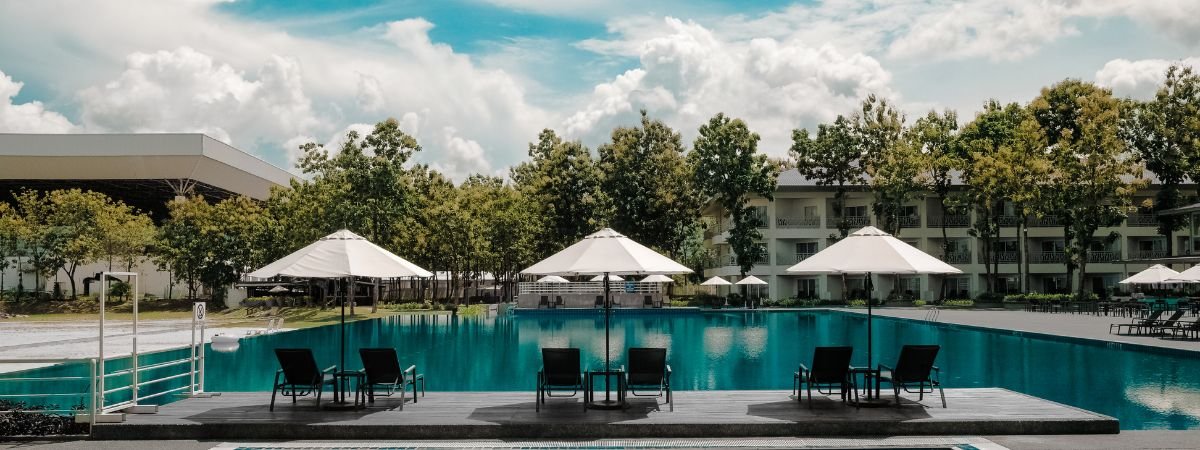
These are the specific signs to look for.
- Surface feels rough underfoot. Plaster that has degraded becomes sharp and abrasive. If the bottom feels like coarse sandpaper, the material has broken down significantly.
- Plaster dust in the water. White powder or small white chips floating in the water after brushing means the surface is delaminating. This is not a water chemistry issue. The plaster is failing.
- Cracks that return after patching. Small cracks can sometimes be patched. But if the same areas keep cracking, the surface has reached the end of its life and patching is only delaying the inevitable.
- Stains that do not respond to chemical treatment. Organic stains from leaves or algae usually respond to chlorine treatment or ascorbic acid. Metal stains from copper or iron respond to sequestrants. If stains remain after targeted chemical treatment, the staining has gone into a porous or pitted surface layer that cannot be cleaned anymore.
- Algae that keeps returning in the same spots. Rough or pitted surfaces trap algae in areas that brushes cannot reach. If you are treating algae repeatedly and it keeps coming back in the same locations, the surface texture is likely the cause.
- Visible hollow spots. Tap the pool surface with a hard object in areas that look discolored or raised. A hollow sound means the plaster has separated from the shell beneath it. Those spots will eventually pop off entirely.
Most plaster surfaces in Florida last 7 to 10 years. Pebble and aggregate finishes typically last 15 to 20 years. If your pool is older than those ranges, resurfacing is likely due regardless of visible symptoms.
Surface Material Options
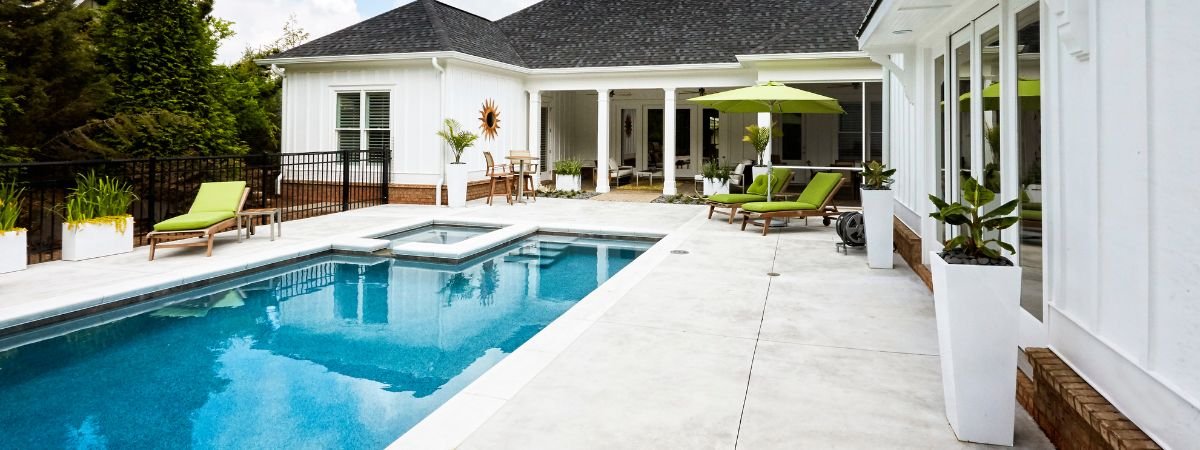
Each material comes with a different price point
White Plaster
White plaster is a mix of white Portland cement and marble dust (calcium carbonate). It is the most basic and least expensive option.
- Cost range: roughly $4 to $7 per square foot depending on pool size and prep work needed
- Lifespan in Florida: 7 to 10 years with proper maintenance
Downsides: It is porous, which means it stains more easily than other materials. It also etches faster when pH runs low. It requires more consistent water chemistry management than harder surfaces.
Quartz Aggregate
Quartz finishes add crushed quartz crystals to a plaster base. This produces a harder, denser surface than standard plaster. It holds color better and resists etching more effectively.
- Cost range: roughly $7 to $12 per square foot
- Lifespan in Florida: 10 to 15 years
Quartz is a good middle-ground option. It handles minor chemistry lapses better than plain plaster and costs significantly less than pebble finishes.
Pebble and Stone Aggregate
Pebble finishes embed small river pebbles or crushed stone into the mix. The result is a very hard, dense surface. It is the most durable resurfacing material available for residential pools.
- Cost range: roughly $10 to $20 per square foot depending on the specific product and pebble type
- Lifespan in Florida: 15 to 25 years with good maintenance
The texture is rougher than plaster. Some people find it uncomfortable on bare feet. The surface also has more texture variation, which makes it harder to spot early staining. That said, it holds up better against Florida’s conditions than any other option.
Glass Bead Finish
Glass bead finishes mix small polished glass particles into the surface material. The glass reflects light, which gives the water a shimmer that other finishes do not produce. It creates a smoother feel underfoot compared to pebble options.
- Cost range: roughly $15 to $30 per square foot depending on glass type and pool size
- Lifespan in Florida: 15 to 20 years with proper maintenance
Glass bead finishes are more resistant to staining than standard plaster and hold up well against UV exposure. The main consideration is that the glass particles can dull over time if water chemistry is not kept balanced consistently.
Quick Comparison
| Feature | White Plaster | Quartz Aggregate | Pebble Finish | Glass Bead Finish |
|---|---|---|---|---|
| Cost (per sq ft) | $4 to $7 | $7 to $12 | $10 to $20 | $15 to $30 |
| Lifespan (Florida) | 7 to 10 years | 10 to 15 years | 15 to 25 years | 15 to 20 years |
| Stain Resistance | Low | Medium | Medium | High |
| Surface Texture | Smooth | Slightly textured | Rough | Smooth |
| UV Resistance | Low | Medium | High | High |
| Chemistry Sensitivity | High | Medium | Low | Medium |
| Best For | Budget-conscious owners | Balance of cost and durability | Maximum durability | Aesthetic appeal with longevity |
What the Resurfacing Process Involves
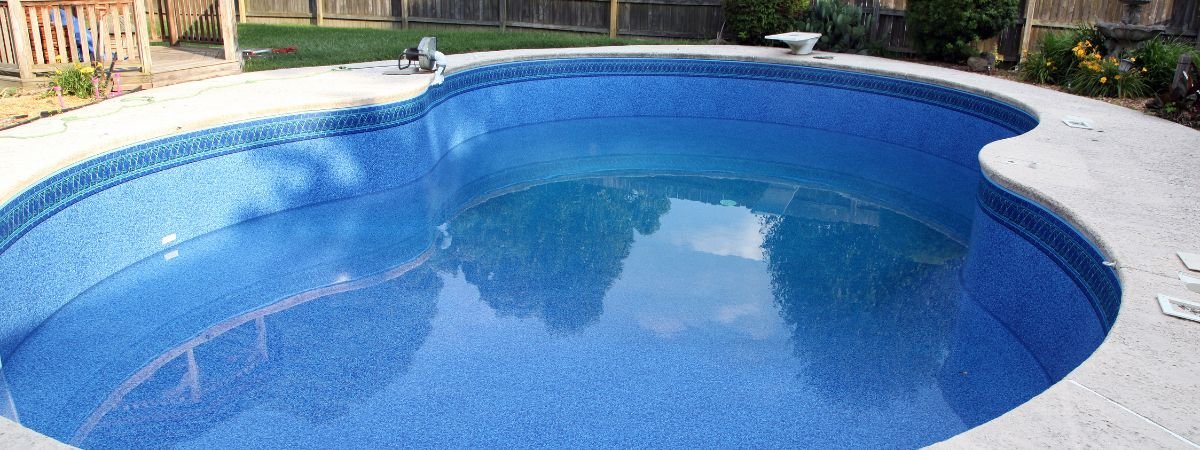
- Step 1: Draining the pool. The pool is fully emptied. In Florida, this needs to be done carefully. An empty pool can float or shift if the water table is high, which it often is after heavy rain. A reputable contractor will check groundwater conditions before draining.
- Step 2: Surface removal. The old plaster or aggregate is chipped and blasted off. This exposes the gunite or concrete shell underneath.
- Step 3: Shell inspection and repair. The bare shell is inspected for cracks, hollow spots, and structural damage. Any issues get repaired before the new surface goes on. Skipping or rushing this step causes the new surface to fail prematurely.
- Step 4: Surface application. The new material is applied by hand or by machine depending on the product. Plaster is hand-troweled. Some aggregate products are sprayed. Multiple passes are usually required.
- Step 5: Filling. The pool begins filling immediately after the surface is applied. New plaster cannot be allowed to dry out. The fill should not be interrupted.
- Step 6: Startup process. This is the most commonly mishandled part. New plaster needs a careful chemical startup to cure correctly.
The pool should be brushed twice a day for the first two weeks. This removes plaster dust and prevents surface spotting. Running the pump continuously for the first 24 to 48 hours helps circulate water and prevents localized chemistry imbalances that cause discoloration. Total time before swimming is usually 5 to 7 days for plaster and slightly longer for aggregate finishes.
How to Extend the Life of a New Surface
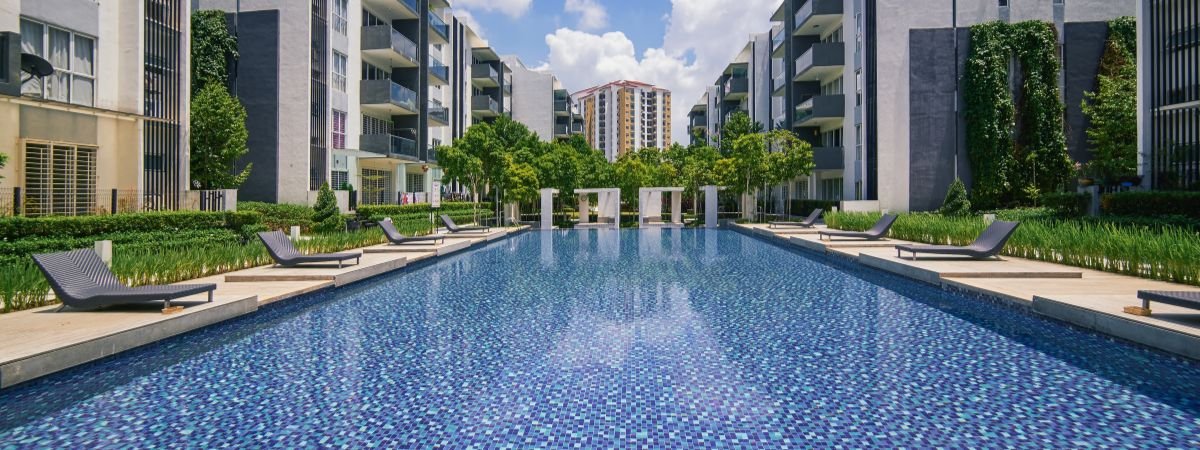
A new surface will only last as long as the maintenance behind it. These are the habits that make the biggest difference.
- Test water weekly, not monthly. In Florida’s heat, chemistry drifts fast. Weekly testing lets you catch pH or calcium issues before they cause surface damage.
- Keep pH between 7.4 and 7.6 consistently. This is the most impactful single thing you can do. pH below 7.2 etches plaster. pH above 7.8 causes scale deposits.
- Maintain calcium hardness between 200 and 400 ppm. If calcium is too low, the water will extract it from the plaster. If too high, it deposits as scale on the surface.
- Brush the pool walls and floor weekly. Brushing prevents algae from establishing in surface pores and removes loose calcium before it can bond to the surface.
- Do not let the pool go without water. An empty pool in Florida sun can crack a new plaster surface within hours. If you need to drain for any reason, refill immediately.
- Test after heavy rain. Large rain events change your water chemistry quickly. Test within 24 hours of significant rainfall and re-balance as needed.
Built for Florida. Built to Last.
Florida’s climate is hard on pool surfaces. Year-round use, strong UV, hard water, and heavy rain all add up. Resurfacing is not a one-time fix. It is something every Florida pool owner will deal with eventually. The key is catching the signs early, choosing the right material, and working with a contractor who handles the full process correctly.
If your pool is over 8 years old or showing any of the signs in this guide, it is worth having it looked at. Gator Pool Services handles pool resurfacing across Florida from inspection through to startup.