Spring in Florida feels different from most other states. While people up north are still waiting for snow to melt, Floridians are already thinking about jumping in the pool. The weather warms up fast here, and before you know it, swim season is in full swing. That’s exactly why getting your pool ready early matters.
This guide walks you through everything you need to do before that first swim. Whether your pool sat mostly unused over the winter or just had slower use, it still needs attention. A few hours of prep now saves a lot of headaches later in the season.
Why Spring Pool Opening Is a Bit Different in Florida
Most pool guides online are written for colder states where pools get fully closed and drained for winter. Florida is not like that. Most pools here stay filled year-round. But “filled” does not mean “ready.” Even if your pool ran through the cooler months, things still change. Water chemistry shifts. Debris builds up. Equipment sits idle or runs less than usual.
Florida also has its own set of challenges that other states simply don’t deal with. Pollen season hits hard in spring. Afternoon rains are common and they dilute your pool chemicals quickly. Algae can bloom fast because temperatures rise early here. So even if your pool looks okay from the outside, there’s a good chance it needs a thorough going-over before it’s truly safe and clean for regular swimming.
Step 1: Start With the Area Around the Pool
Before you touch the water, spend some time outside the pool. It’s easy to skip this part, but it makes a real difference.
- Trim back any tree branches hanging over the pool. Leaves and flowers falling into the water are one of the biggest sources of debris.
- Pull out any weeds or overgrown plants near the pool deck.
- Clear leaves and mulch away from your pump and filter area. These can clog equipment and cause bigger problems.
- Check the pool deck for any cracks. Look for uneven spots that could be a tripping hazard.
- Inspect your pool fence and gate. Make sure the latch closes properly. This is especially important if kids are around.
It takes maybe 20 to 30 minutes. But it sets you up for a much smoother cleaning process after.
Step 2: Take Off the Pool Cover and Store It Right
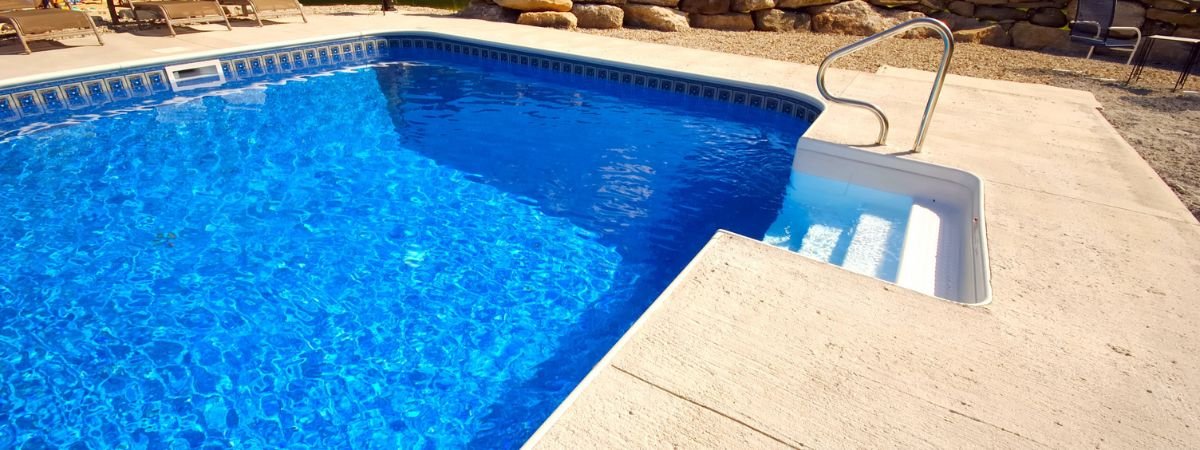
If you use a pool cover during the off-season, now is the time to remove it. There’s a right way to do this. Don’t just yank it off and toss it in the garage.
First, get as much standing water off the top of the cover as you can. Use a submersible pump or just tilt the cover to drain it off. Then spread the cover out on a flat surface, like your driveway or lawn. Rinse it off with a hose and use a mild cleaner to remove any mold or mildew that’s built up. Let both sides dry completely before folding it and storing it. Storing a damp cover leads to mold, and it will smell awful when you pull it out next year.
Once the cover is off, take a good look at the water. Note the color. If it’s green or cloudy, that’s algae. You’ll need to address that before anything else. If it’s a bit dull but still looks mostly clear, you’re in decent shape.
Step 3: Clean the Pool Before You Do Anything Else
Cleaning comes before chemicals. You want to remove as much physical debris as possible before you start testing and adjusting water.
- Skim the surface to remove leaves, bugs, and anything floating.
- Use a pool brush to scrub the walls, steps, and floor. This loosens algae and dirt that clings to surfaces.
- Vacuum the bottom of the pool. Go slow and be thorough. Pay attention to corners and steps where debris settles.
- Empty and rinse out your skimmer basket and pump basket.
- Check the water level. It should sit right at the midpoint of the skimmer opening. Add water with a hose if it’s too low.
If your pool has been sitting for a while, this step might take more effort than you expect. That’s normal. Just take your time.
Step 4: Test and Balance the Water
This is the most important step. Florida’s heat and humidity make water chemistry go off balance quickly. Unbalanced water is not just cloudy. It can irritate skin and eyes, damage pool surfaces, and speed up equipment wear. If you want to stay on top of this all season, understanding your pool water chemistry is worth it.
Here’s what you need to test for and the ideal ranges:
| Parameter | Ideal Range |
|---|---|
| Free Chlorine | 2 to 4 ppm |
| pH | 7.2 to 7.6 |
| Total Alkalinity | 80 to 120 ppm |
| Calcium Hardness | 200 to 400 ppm |
| Cyanuric Acid (Stabilizer) - Non-salt Pools | 30 to 50 ppm |
| Cyanuric Acid (Stabilizer) - Salt Pools | 60 to 80 ppm |
Use a quality test kit or take a water sample to a pool supply store. Once you know where your levels stand, adjust them one at a time. Don’t dump everything in at once.
After balancing, shock the pool. Use a chlorine-based shock product and follow the instructions on the label. This kills bacteria and algae that built up over winter. Run your pump overnight after shocking so the chemicals circulate properly.
Step 5: Check All Your Pool Equipment
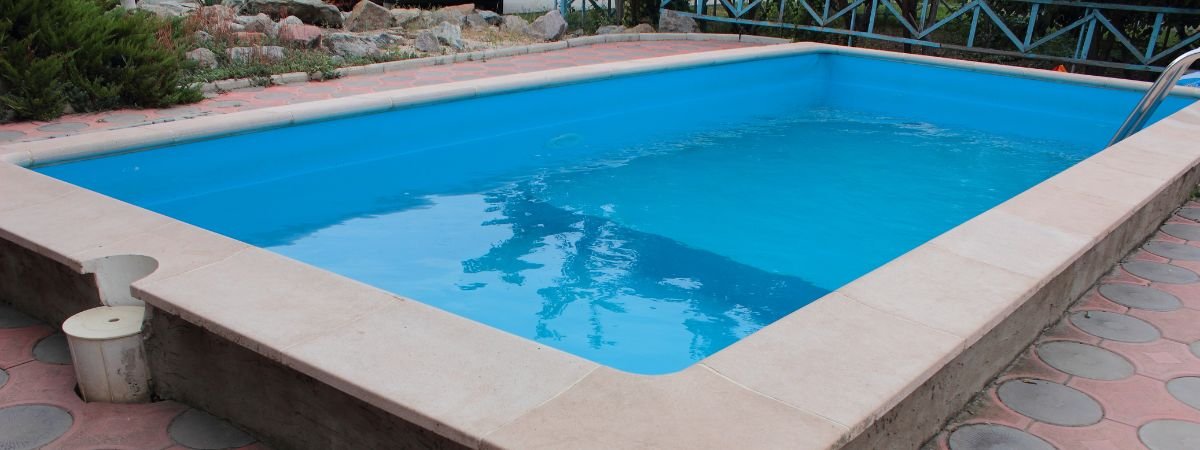
Pool equipment takes a beating over time, especially in Florida’s heat and humidity. Spring is a good time to give everything a proper look before the busy season starts. Regular pool equipment care helps you catch small problems before they turn into expensive repairs.
Here’s what to check:
- Pump: Turn it on and listen. Unusual rattling or grinding sounds are not normal. Make sure it primes properly. Inspect the pump lid O-ring for cracks. Replace it if it looks worn.
- Filter: Backwash your sand filter or clean your cartridge filter. If you have a DE filter, clean it and recharge it with fresh diatomaceous earth.
- Heater: Even if you don’t plan to use it much, confirm it fires up correctly. Florida evenings can get cool in early spring.
- Valves and plumbing: Check for any drips or leaks around the valves. Small leaks get worse over time.
- Pool lights: Test them before you use the pool at night. Check that the fixtures are watertight.
- Salt cell (if you have one): Inspect it for calcium buildup. Clean it if needed.
If something seems off and you’re not sure what it is, it’s better to get it looked at sooner rather than later.
Florida-Specific Things to Watch For
Florida throws some curveballs that don’t show up in most pool guides. Here’s what to keep an eye on specific to this state:
- Pollen: Spring pollen in Florida is no joke. It coats everything, including your pool water. You may need to skim and clean more often during pollen season.
- Phosphates from rainwater: Rain washes phosphates into your pool. Phosphates feed algae. Test for them if you keep getting algae blooms despite proper chlorine levels.
- Afternoon rain diluting chemicals: This is a real Florida problem. Heavy rain can throw off your pH and chlorine fast. Test your water after significant rainfall and adjust as needed.
- Algae blooms: Florida’s warmth means algae can show up fast, especially if chlorine dips. Stay on top of your weekly algae prevention routine to keep it from taking hold.
- Screen enclosure debris: If your pool has a screen enclosure, check for holes or torn panels. Even small gaps let in insects and debris.
Keeping Up After the Opening
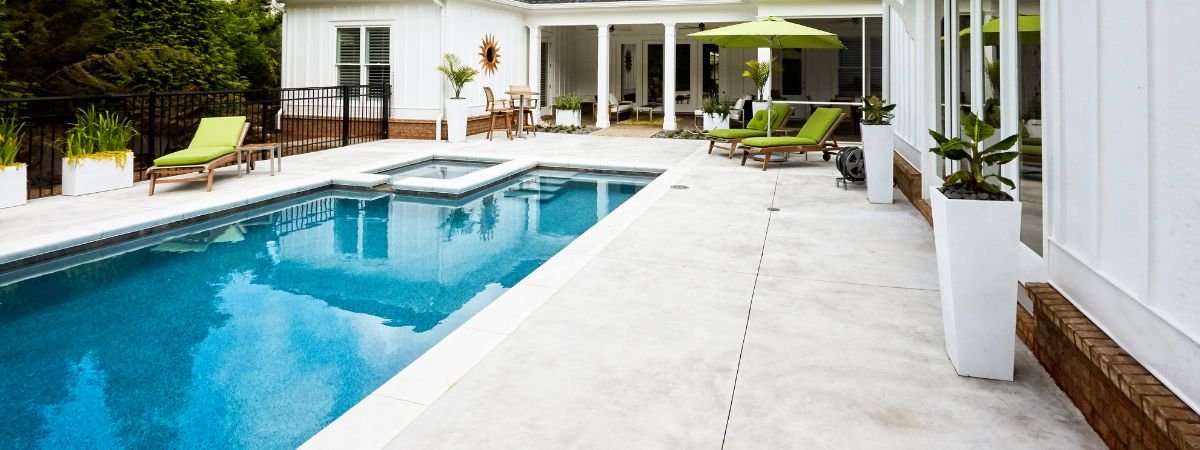
Getting your pool open is the first step. Keeping it in good shape through the spring and into summer requires a bit of a routine. It doesn’t have to be overwhelming, but it does need to be consistent.
Test your water at least once a week. During periods of heavy rain or heavy use, test more often. Skim the surface daily if you can. Brush the walls weekly. Vacuum every week or two depending on how much debris you get. Clean your skimmer and pump baskets regularly. These simple steps keep most problems from growing into big ones.
A lot of pool owners find that the work builds up when they skip a week or two. Then it becomes a bigger job to catch up. A small amount of regular attention is genuinely easier than fixing a green, cloudy pool that’s been ignored. If you ever feel like it’s getting to be too much to keep up with on your own, having someone handle your regular pool maintenance is a practical option that many Florida homeowners use.
Your Pool Is Ready. Now Enjoy It.
Opening your pool for spring doesn’t have to be stressful. Break it down into steps and take it one thing at a time. Clean first. Then test the water. Then check the equipment. Then handle the Florida-specific stuff. That order works.
Florida is one of the best places in the world to own a pool, and the spring season here is genuinely beautiful. The weather is warm but not yet scorching, the evenings are pleasant, and the water actually feels refreshing. Once you put in a couple of hours of prep, you’ll be glad you did it right. If something comes up during your opening that you’re not sure how to handle, or if you’d rather have someone else take care of the whole thing, the team at Gator Pool Services is happy to help.