

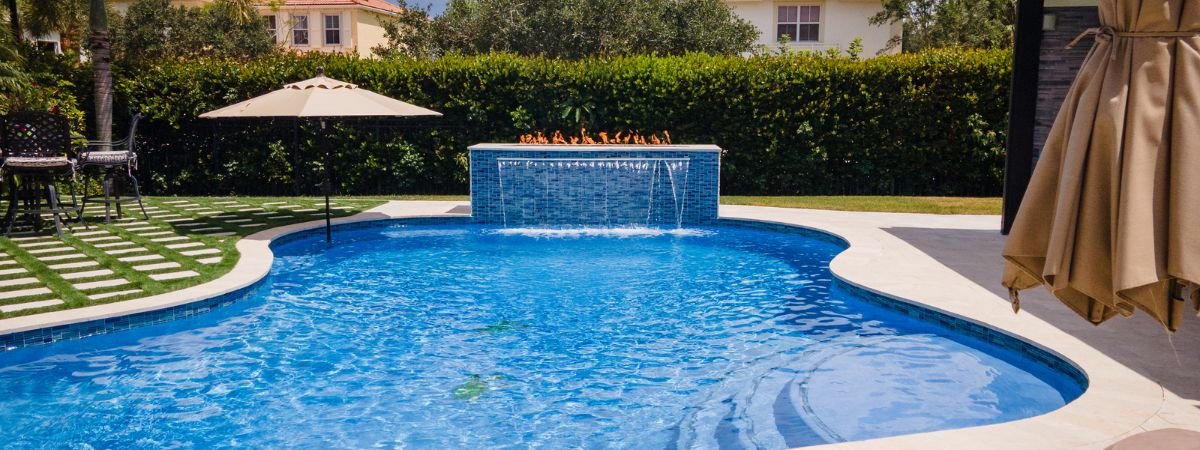
Your pool filter works hard every day. It grabs dirt, leaves, oils, and tiny bits of gunk so your water stays clean and safe to swim in. But over time, all that trapped dirt builds up inside the filter. When this happens, your filter needs a good cleaning, a process called backwashing.
Backwashing means running water backward through your filter to flush out the dirt. If you skip this step for too long, your pool water can turn cloudy, your pump can work harder than it should, and you could end up with expensive repairs. Not sure when your filter needs backwashing? These five signs will help you spot the right time.
5 Clear Signs It's Time to Backwash
1. High Pressure Gauge
Every sand or D.E. filter has a pressure gauge on top. This little dial tells you how hard your pump is working to push water through the filter. When you first clean your filter, write down the normal pressure reading. Write this number down. You’ll use it as your normal pressure reading.
- The Warning Sign: The reading climbs 8 to 10 PSI above your baseline.
- Why it happens: A high reading means dirt is clogging the filter, and water can’t flow through easily anymore.
- Check the pressure gauge once a week. It’s one of the easiest ways to catch filter problems early.
2. Weak Return Jet Flow
Return jets are the little nozzles in your pool that push filtered water back in. When your filter is clean, these jets shoot water out with good force.
- The Warning Sign: Water barely trickles out of the jets instead of shooting out.
- The Hidden Danger: Weak flow doesn’t just mean dirty water; it also means your pool isn’t circulating properly. Poor circulation can lead to:
- Accelerated algae growth
- Uneven chemical distribution
- Stagnant pockets of water
3. Cloudy Pool Water
Clear, sparkling water is the whole point of a pool filter. When your filter can’t do its job, the water quality drops fast because it can’t trap small particles anymore.
- What gets left behind: Dirt, dust, sunscreen oils, and organic debris stay stuck in the water, making your pool look cloudy, hazy, or just plain dull.
- Health Note: Cloudy water isn’t only about looks. It can also be a sign that bacteria and other unwanted stuff are building up. If your chemical levels are fine but the water still looks off, your filter is likely the culprit.
4. Long Filter Cycles
Most pool owners run their filter for a set number of hours each day, often 8 to 12 hours depending on pool size and usage. Your pump and filter system is designed to clean your entire pool water volume at least once during this time.
- The Warning Sign: Your filter runs for its normal cycle (or longer) without making the water any clearer.
- A clogged filter makes it much harder for water to pass through, so the system has to work longer to clean the pool. The clogged filter takes way more effort and time for the same result.
5. It's Time to Backwash
Even if your pressure gauge looks normal and the water seems clear, time itself is a factor. Most pool experts suggest backwashing your filter every 4 to 6 weeks during regular swim season. However, you may need to do it more often based on:
- Pool Usage: High swimmer loads introduce more oils and sunscreen.
- Environment: Nearby trees or plants dropping leaves, debris, and pollen.
- Weather: Recent storms, high winds, or heavy rain that wash dirt into the pool.
Pro Tip: Waiting too long lets pressure build up slowly. Regular backwashing on a schedule helps you avoid the other four warning signs altogether.
Signs Your Filter Needs Backwashing
| Sign | What You'll Notice | Why It Happens |
|---|---|---|
| High pressure gauge | Gauge reads 8–10 PSI above normal | Dirt is blocking water flow through the filter |
| Weak return jet flow | Water trickles instead of shoots out | Clogged filter reduces water pressure |
| Cloudy or dull water | Pool looks hazy, not sparkling | Filter can't trap small dirt particles anymore |
| Longer filter cycles | Pump runs longer with no clearer water | Clogged filter slows down water movement |
| Weeks since last backwash | No obvious sign, but 4–6 weeks have passed | Debris builds up gradually over time |
How to Backwash Your Pool Filter
If you noticed one or more of these signs, here’s a simple rundown of the backwashing steps to clean your filter safely:
- Turn off your pool pump: This is the most important step, and it’s easy to forget. Never adjust filter settings while the pump is running, or you could damage the valve. Multiport valves are built to move only when the water inside isn’t flowing under pressure.
- The risk: Flipping the valve with the pump on can crack the internal parts or tear the spider gasket.
- The cost: Forgetting this step turns a simple cleaning job into a costly equipment repair.
- Set the valve to Backwash: Once the pump is fully off, turn the multiport valve to the Backwash setting. This redirects the plumbing so that water travels in reverse through the system to dislodge trapped debris.
- Lock it in: Make sure you feel the valve handle click or lock securely into the correct slot.
- The flow: This position makes the water flow backward through the filter to wash out the trapped dirt.
- Run the pump: Turn the pump back on. Water will now shoot backward through the sand or D.E. media, loosening all the trapped dirt and pushing it out through the waste line or backwash hose.
- Expect dirty water: At first, the water exiting the system will look dirty, cloudy, or even brown.
- Watch the glass: Keep the pump running for about 2 to 3 minutes until the water in the sight glass runs completely clear.
- Switch to Rinse: Once the water runs clear, turn the pump off again before touching the valve, and switch it to the Rinse setting. This step is easy to skip, but it is crucial for keeping your pool water pristine.
- Resettle the media: Rinse mode sends water through the filter in the normal direction for about 30 seconds to resettle the sand or D.E. bed evenly.
- Prevent dirt blowback: Skipping this step can cause loose, leftover dirt to blow right back into your pool once you switch to normal filtering.
- Return to normal filtering: Turn the pump off one final time, switch the valve back to Filter, and turn the pump back on. Your system is now clean and ready to run efficiently.
- Check the gauge: Look at your pressure gauge it should now read close to your clean, normal baseline pressure.
- Back to work: If the pressure is low, your filter is officially clean and back to doing its job.
A note on cartridge filters: If you have a cartridge filter instead of sand or D.E., the backwash steps above don’t apply, since cartridge filters don’t have a multiport valve or waste line. Instead, you’ll need to turn off the pump, remove the cartridge, and hose off the trapped debris with a regular garden hose. For a deeper clean, soak the cartridge in a cartridge cleaning solution overnight, then rinse it well before putting it back in.
Why Backwashing Matters
A clean filter does more than just keep your water clear it protects your entire investment.
- Prevents Equipment Strain: When a filter stays clogged, your pump has to work twice as hard. This extra work can wear out the pump faster and lead to expensive repairs.
- Saves Money on Chemicals: Chlorine and other sanitizers can’t do their job properly if they are constantly fighting heavy debris trapped in the filter. Clean filters mean your chemicals work efficiently.
- Cleaner water makes swimming more enjoyable and helps your pool look its best.
When to Call a Professional
Backwashing usually solves the problem, but some issues need professional repair. Call a professional if you notice:
- The pressure gauge stays high even immediately after a thorough backwash.
- Sand or D.E. powder keeps blowing out of the jets and into your pool water.
- The filter tank is cracked, weeping water, or leaking around the clamp.
- Water flow doesn’t improve no matter what troubleshooting steps you try.
These problems may mean a part inside the filter is broken and needs repair.
Conclusion
Watching for these five warning signs a high pressure gauge reading, weak return jet flow, cloudy water, longer filter cycles, and the simple passage of time will help you catch pool filter problems before they escalate. Implementing a routine maintenance schedule and staying vigilant ensures your pool stays clean, safe, and ready for swimming whenever you are. A little regular care helps your equipment last longer and keeps your water clear.
If you are ever unsure whether your filter needs backwashing, or if you have already completed the process and the issues persist, do not wait for the problem to worsen. Contact us today to speak with a trusted local pool service team. Our team can check your pool, find the problem, and get your water clean again.