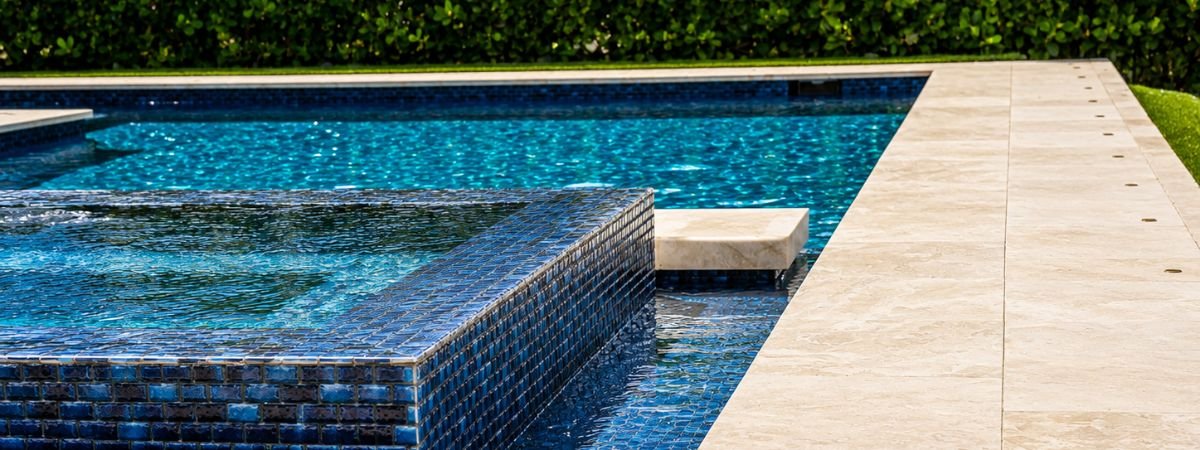
If you own a pool in Florida, you already know it is not a “set it and forget it” kind of thing. The sun, the rain, and the bugs all work against your water every single day. So it is fair to ask what you should actually be paying to keep that pool clean and safe this year.
Pool maintenance costs in Florida depend on a handful of things: your pool size, how often you get service, what kind of equipment you run, and where in the state you live. There is no single number that fits every backyard, but once you understand what drives the price up or down, it gets a lot easier to budget for and to know if a quote you receive actually makes sense.
What Affects Your Pool Maintenance Cost
A few factors decide where you land on the pricing scale, whether you hire a pro or do it yourself.
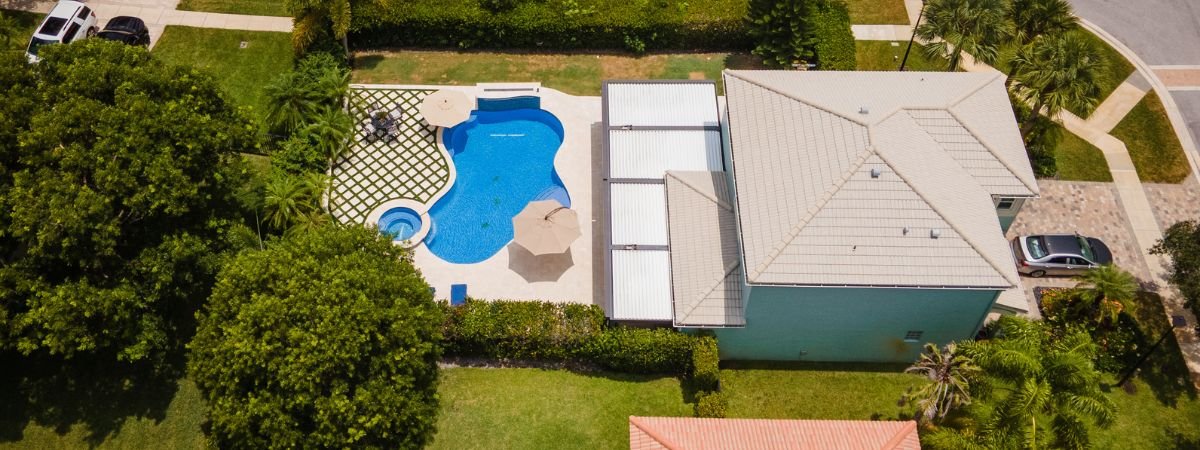
- Pool size and shape. A large freeform pool with a spa attachment takes longer to service than a small rectangular one, and that time adds up.
- Service frequency. Weekly visits cost more overall than bi-weekly ones, but they also catch problems sooner.
- Chlorine vs salt systems. Salt pools usually need less hands-on chemical work, though the salt cell and equipment can be more expensive to repair.
- Tree cover and debris. Homes with a lot of palm fronds, leaves, or pollen nearby need more frequent skimming and brushing.
- Age and condition of equipment. An older pump or filter that is already struggling will drive up both service time and repair frequency.
- Location within Florida. Coastal humidity, rainfall patterns, and local labor rates all shift pricing a bit from one part of the state to another.
Why Florida Pools Cost More to Maintain Than Pools in Other States
Florida is just a harder place to own a pool than most other states, and it comes down to the climate. There is no true off season here, so a pool needs attention every month of the year instead of getting a winter break like pools further north. The heat and sun also break down chlorine faster, so chemical levels drift more and need rebalancing more often.
On top of that, Florida’s rainy season brings frequent storms that dilute pool chemistry and wash leaves, dirt, and debris straight into the water. Hurricane season adds another layer, since even a minor storm can leave a pool full of branches and standing water that needs extra attention. All of this adds up to more frequent service and more chemical use compared to a pool sitting in a cooler, drier climate.
Weekly, Bi-Weekly, or Monthly Service: Which One Makes Sense
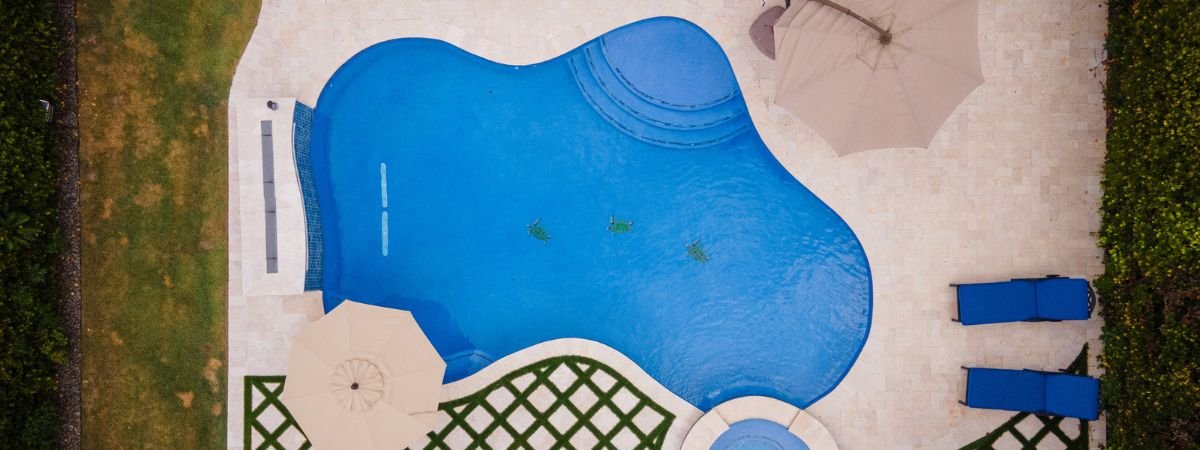
Most companies that offer weekly pool maintenance in Florida recommend that schedule for a good reason. Skipping even one week can let algae get a foothold, especially during the hot months from May through September. Once algae takes over, getting the pool back to normal almost always takes more time and effort than a few extra weekly visits would have.
Bi-weekly service can work for smaller pools, salt systems, or homes without much tree coverage. Monthly service almost never makes sense in Florida unless your pool sits mostly unused and covered. If you are trying to decide what fits your situation, it helps to start with a proper pool inspection so you know the real condition of your equipment and water before picking a schedule.
Some companies also rotate filter cleaning into the visit schedule. If yours does not mention this, it is worth asking about, since a dirty filter is one of the biggest reasons pools turn cloudy.
What's Included vs What Costs Extra
Routine service covers the basics, but a few things typically get handled and billed separately from your regular visits. Here’s how that usually breaks down:
| Included in Standard Service | Usually Billed Separately |
|---|---|
| Skimming and debris removal | Green pool cleanup after a heavy algae outbreak |
| Brushing walls, steps, and tile line | Acid washing for stained or heavily soiled surfaces |
| Vacuuming the pool floor | Filter cartridge or media replacement |
| Water testing and chemical balancing | Pump, heater, or automation repairs |
| Skimmer and pump basket emptying | Storm and hurricane debris cleanup |
| Routine equipment checks | Tile and grout cleaning |
| Filter cleaning (varies by provider) | Resurfacing, needed roughly once a decade |
Knowing which of these are separate from your regular plan helps you avoid an unexpected bill. If your pool has turned green after a missed week or two, our green pool cleaning service is usually the fastest way back to normal, since letting it sit longer only makes the algae harder to remove.
DIY Maintenance vs Hiring a Professional
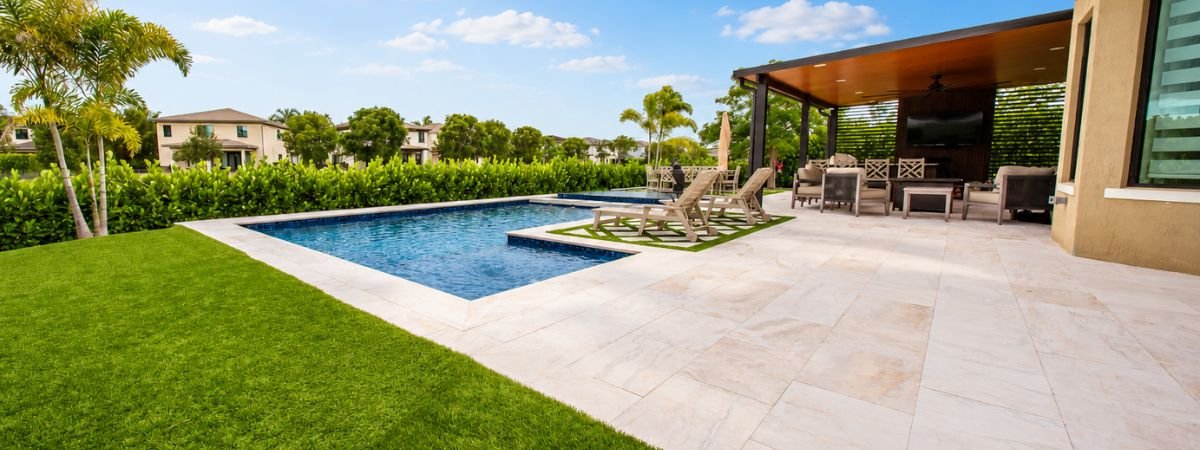
DIY pool care can save you money, but it comes with a trade off. You still need to buy chemicals and basic supplies regularly, plus spend a few hours most weeks testing water and skimming debris. For a lot of people, that time cost adds up fast, especially during hurricane season when storms roll through every week or two and leave extra cleanup behind.
Professional service costs more than doing it yourself, but it often pays off by catching small problems early. A technician who visits weekly will notice a failing pump or a cracked skimmer basket before it turns into a bigger repair. They also buy chemicals in bulk, which tends to work out cheaper than buying jugs from a home improvement store one at a time. If your pump or controls already feel outdated, it might be worth asking about pool automation, since newer systems are generally easier and cheaper to run month to month.
Simple Ways to Keep Costs Down
- Run your pump during off-peak electricity hours to save on power bills
- Use a pool cover when the pool is not in use, especially during rainy season
- Trim back trees and plants near the pool to cut down on debris
- Test water weekly even if a pro handles cleaning, so problems get caught early
- Stick to a consistent schedule instead of skipping visits to save money short term
- Ask your provider to bundle filter cleaning into your regular visit instead of paying separately
Small habits like these will not eliminate the cost of owning a pool, but they can make a real difference over the course of a year.
Keeping Your Pool Budget Predictable in 2026
Pool ownership in Florida will always cost more than in states with a shorter swim season. That is just the reality of living somewhere this warm and this wet. Still, the costs are manageable once you understand what drives them and what a fair service should actually include.
Every pool is different, so the best way to know exactly what your maintenance would cost is to get a quote based on your own pool size, equipment, and location. Reach out to our team at Gator Pool Services and we will walk you through exactly what is included and what your service would look like, no guesswork involved.