

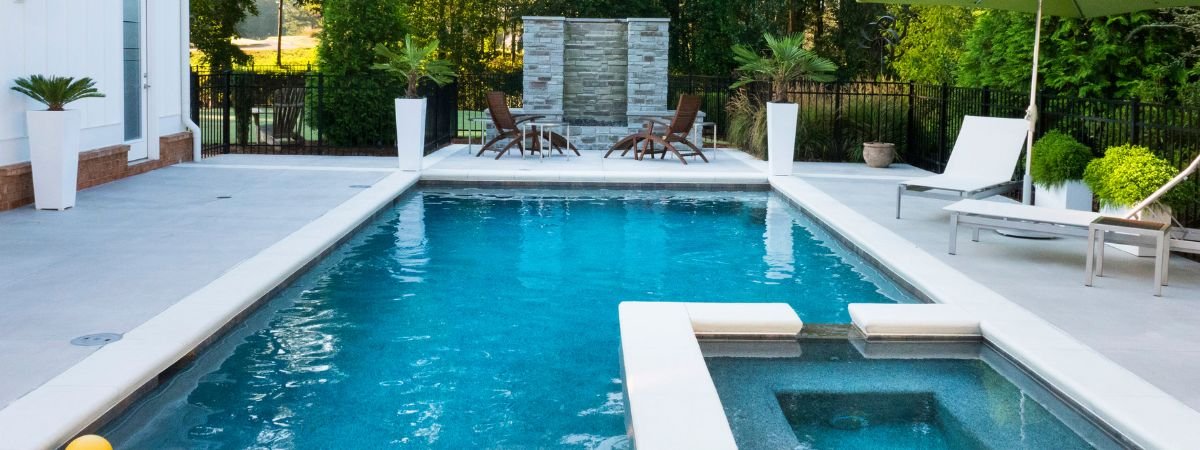
Owning a swimming pool is a great way to relax, cool off, and enjoy time with family and friends. But our pool also needs regular care to stay clean, safe, and working properly. Many pool problems don’t happen overnight—they usually start with small mistakes that slowly turn into bigger issues.
Most of us don’t mean to neglect our pools. Often, we simply don’t realize what we’re doing wrong. The good news is that many common pool maintenance mistakes are easy to fix once we understand them. With the right habits and a little knowledge, we can avoid costly repairs and enjoy clear, healthy water all year.
Below are some of the most common pool maintenance mistakes we make and simple ways to avoid them.
Not Testing Pool Water Often Enough

One of the biggest mistakes pool owners make is skipping regular water testing. Clear water does not always mean clean or balanced water. Even when a pool looks fine, the chemical levels may be unsafe.
When water isn’t tested regularly, chlorine, pH, and alkalinity levels can drift out of range. This can cause eye and skin irritation, cloudy water, algae growth, and damage to pool surfaces and equipment.
To avoid this problem, test your pool water at least two to three times per week during warm months when the pool is used more often. During cooler months, once a week may be enough. Use a reliable test kit or digital tester and make small adjustments as soon as levels are off. Keeping water balanced makes pool care much easier over time.
Ignoring pH and Alkalinity Levels
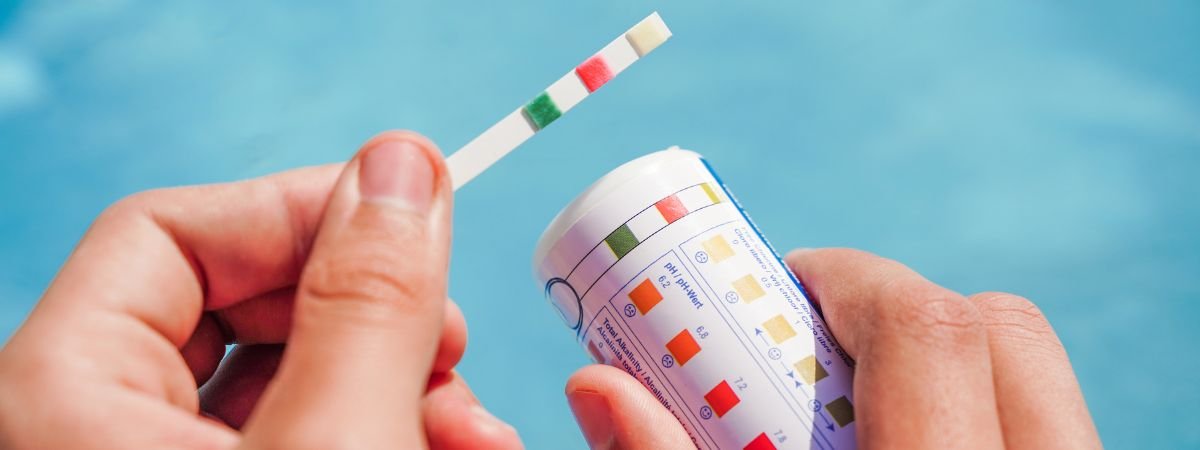
Many pool owners focus only on chlorine and forget about pH and alkalinity. These two levels play a major role in water balance and overall pool health.
Low pH makes water acidic, which can damage pool surfaces, heaters, and metal parts. High pH can cause cloudy water and make chlorine less effective. Poor alkalinity causes pH levels to change too quickly, making it hard to keep water balanced.
To prevent these issues, keep pH between 7.2 and 7.6, and alkalinity between 80 and 120 parts per million. Always adjust alkalinity first, then fine-tune pH. Balanced water protects your pool and helps chemicals work properly.
Using Too Many or Too Few Chemicals
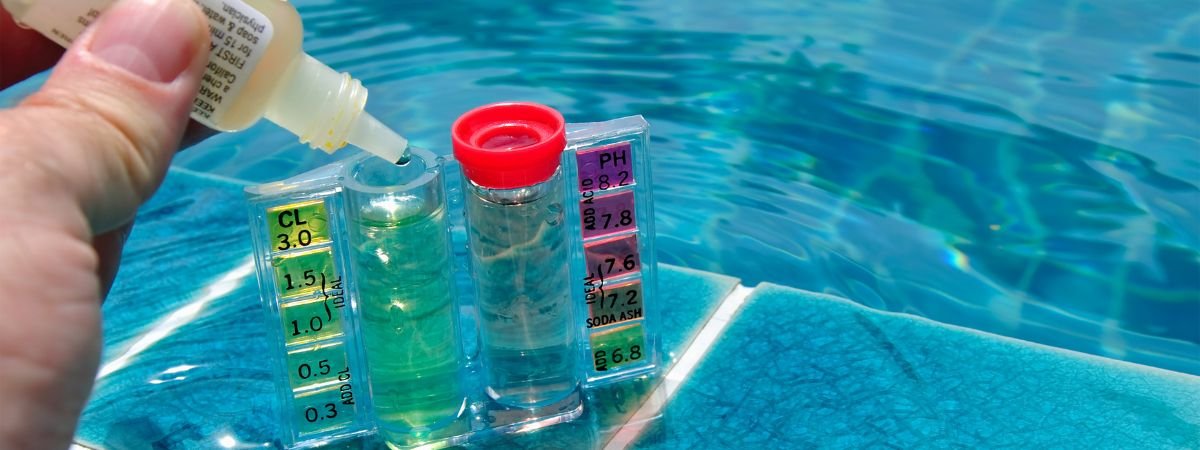
Another common mistake is adding chemicals without testing first or guessing the amount needed. Some pool owners add extra chemicals to be safe, while others use too little to save money.
Too much chlorine can cause strong odours, skin irritation, and damage to liners or finishes. Too little sanitizer allows bacteria and algae to grow. Overuse of chemicals can also throw off the water balance and create new problems.
The best way to avoid this mistake is to always test the water before adding anything. Follow product instructions carefully and measure chemicals based on your pool size. Add chemicals slowly and allow them to circulate before testing again.
Running the Pool Pump the Wrong Amount of Time
Many homeowners don’t realize how important proper circulation is. Running the pump too little can lead to dirty water, while running it too long wastes energy and wears out equipment.
If water does not circulate enough, debris settles on the bottom, algae grows faster, and chemicals do not spread evenly. On the other hand, running the pump nonstop increases electricity costs and shortens the life of the pump.
Most pools need the pump to run between 8 and 12 hours a day, depending on pool size, weather, and usage. Using a timer or variable-speed pump helps keep circulation steady while saving energy.
Forgetting to Clean the Pool Filter
Pool filters are often overlooked until water quality drops. A dirty filter cannot properly remove dirt and debris, making it harder to keep the pool clean.
When filters are clogged, pumps have to work harder, which can lead to damage and higher energy bills. Cloudy water and poor circulation are common signs of a filter that needs attention.
Different filters require different care. Cartridge filters should be rinsed every few weeks. Sand filters should be backwashed when pressure rises. DE filters need regular backwashing and fresh DE powder. Checking and cleaning the filter on a routine schedule keeps your pool system running smoothly.
Not Skimming and Brushing Regularly
Many pool owners rely only on the filtration system and skip manual cleaning. While filters help, they cannot remove everything on their own.
Leaves, bugs, and debris that sit in the water break down and affect water chemistry. Algae can grow on pool walls, steps, and corners where water flow is weaker. Over time, stains may form and become difficult to remove.
To avoid these problems, skim the pool surface daily if possible and brush the walls and steps at least once a week. Regular brushing helps prevent algae and keeps surfaces clean.
Ignoring Small Signs of Algae
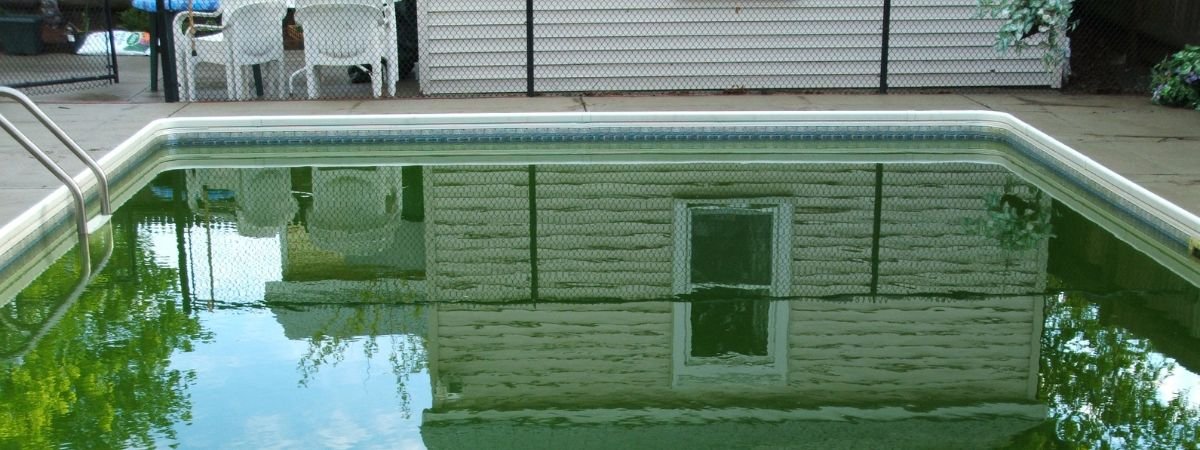
Algae does not usually appear all at once. It often starts as a light green tint or a small patch on the wall or floor. Many pool owners ignore it, thinking it will go away on its own.
Once algae starts growing, it spreads quickly, especially in warm water. It can clog filters, reduce chlorine effectiveness, and make water unsafe to swim in.
At the first sign of algae, brush the affected area, test the water, and correct chemical levels. In some cases, shocking the pool may be necessary. Acting early makes algae much easier to control.
Shocking the Pool Incorrectly
Shocking the pool is an important part of maintenance, but it must be done the right way. Some pool owners shock too often, while others rarely do it at all.
Shocking during the day reduces its effectiveness because sunlight breaks down chlorine quickly. Shocking too often can damage pool surfaces and cause a chemical imbalance.
The best time to shock your pool is in the evening or at night. Shock after heavy pool use, rainstorms, or when water starts to look cloudy. Follow product instructions and allow the pool to circulate overnight before swimming again.
Letting Water Levels Get Too Low
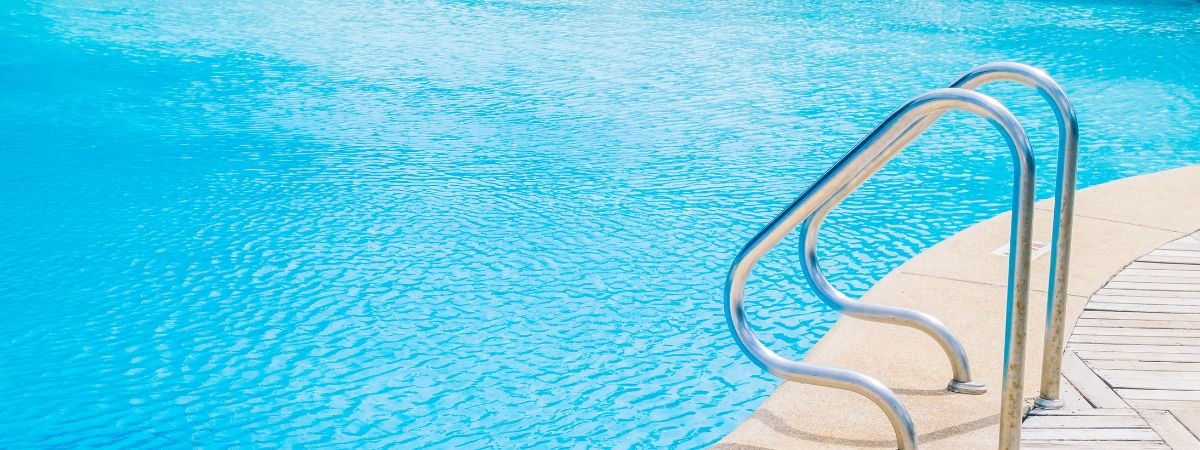
Water levels naturally drop due to evaporation, splashing, and backwashing. Some pool owners forget to monitor this, especially during hot weather.
Low water levels cause skimmers to stop working properly. Pumps may pull in air instead of water, which can lead to overheating and damage.
Keep water levels about halfway up the skimmer opening. Check levels weekly and add water as needed to protect your equipment and keep circulation working correctly.
Skipping Seasonal Pool Care
Pools need different care throughout the year. Many owners keep the same routine no matter the season, which can lead to problems.
In warmer months, pools need more frequent cleaning, testing, and chemical adjustments. In cooler months, water still needs circulation and balance to prevent damage. Improper winter care can result in cracked pipes or equipment failure.
Adjust your maintenance routine based on temperature, usage, and weather conditions. Even when the pool is not being used, basic care is still necessary.
Attempting Repairs Without Experience
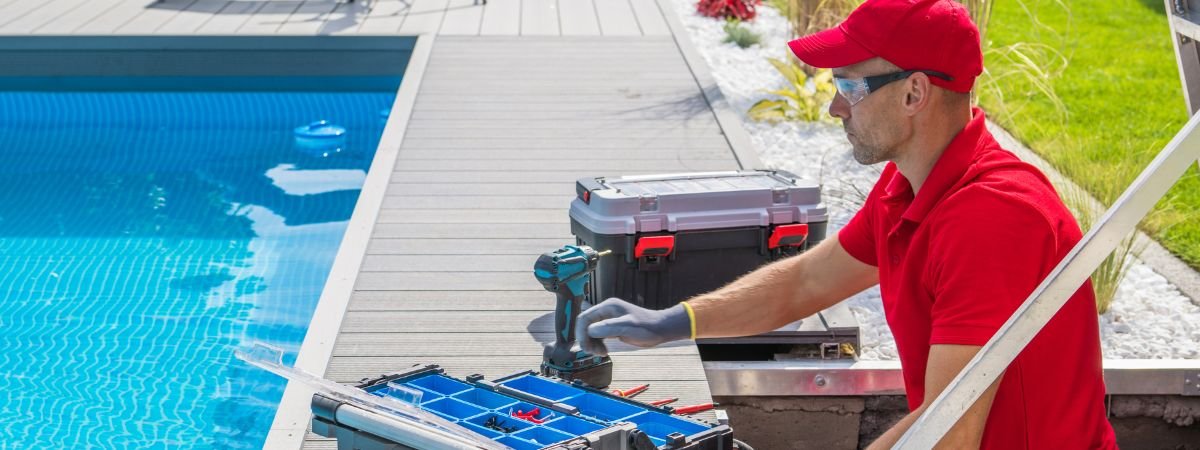
Trying to fix pool equipment without proper knowledge is another common mistake. While basic cleaning tasks are fine, repairs involving pumps, heaters, or electrical parts should be handled by professionals.
Incorrect repairs can make problems worse, void warranties, and create safety risks. What starts as a small issue can turn into a major expense.
If something doesn’t seem right, it’s best to contact a trained pool professional who can diagnose and fix the issue correctly.
Waiting Too Long to Get Professional Help
Many homeowners wait until pool problems become serious before calling for help. By that point, water quality may be poor, and equipment damage may already be done.
Regular professional service helps catch small problems early, keeps water balanced, and extends the life of pool equipment. It also saves time and reduces stress for pool owners.
Pool Maintenance is Important when it comes to protecting your investment, ensuring safe swimming, and avoiding unexpected repair costs.
Need Help With Pool Maintenance?
Avoiding common pool maintenance mistakes helps keep your water clean, your equipment working properly, and your pool safe for everyone who uses it. Regular testing, proper cleaning, correct chemical use, and quick attention to small issues can prevent larger and more costly problems later. Consistent care also helps extend the life of your pool system and reduces long-term maintenance stress.
If you have questions about pool care, need guidance with regular maintenance, or want professional support to keep your pool in good condition, assistance is available. For more information or help, please contact info.gatorpoolservices.com.