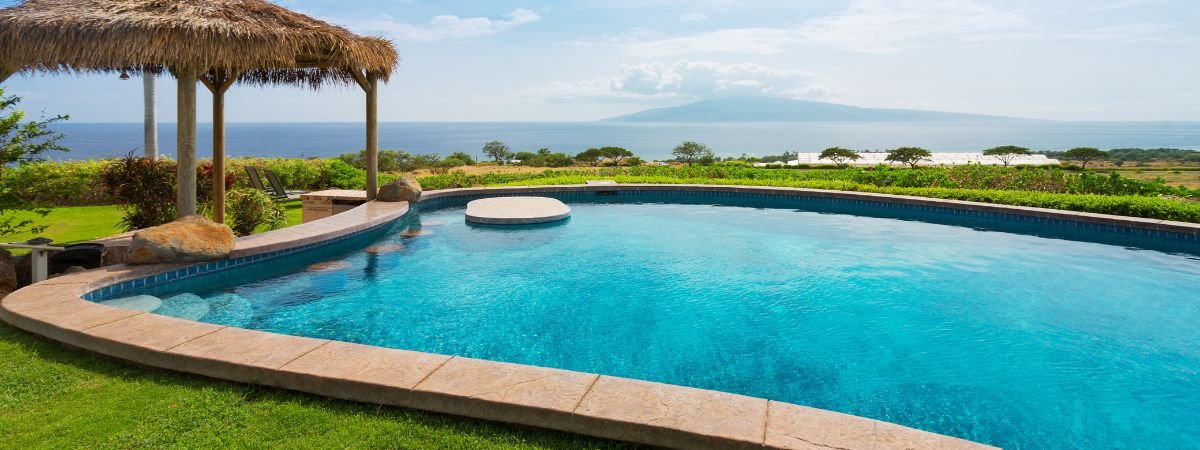
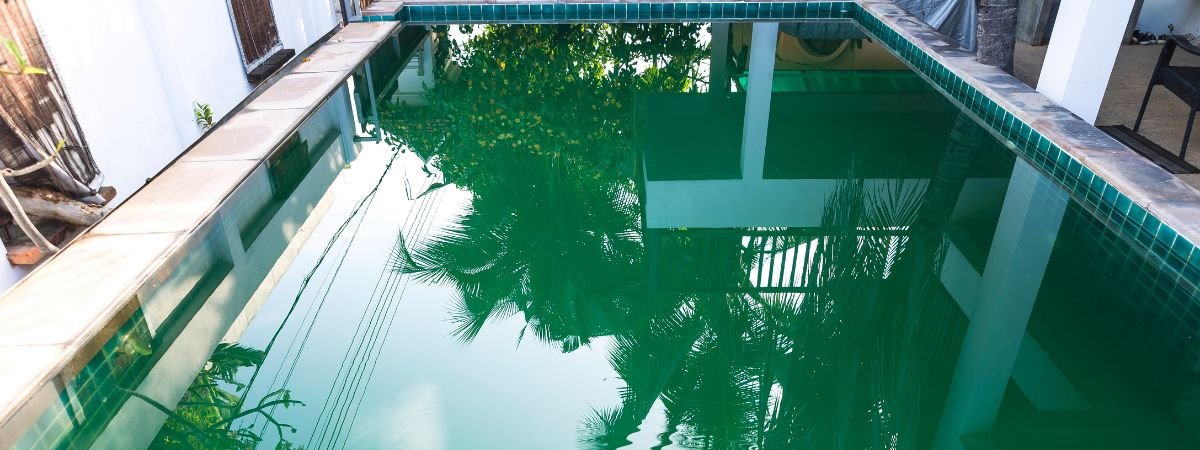
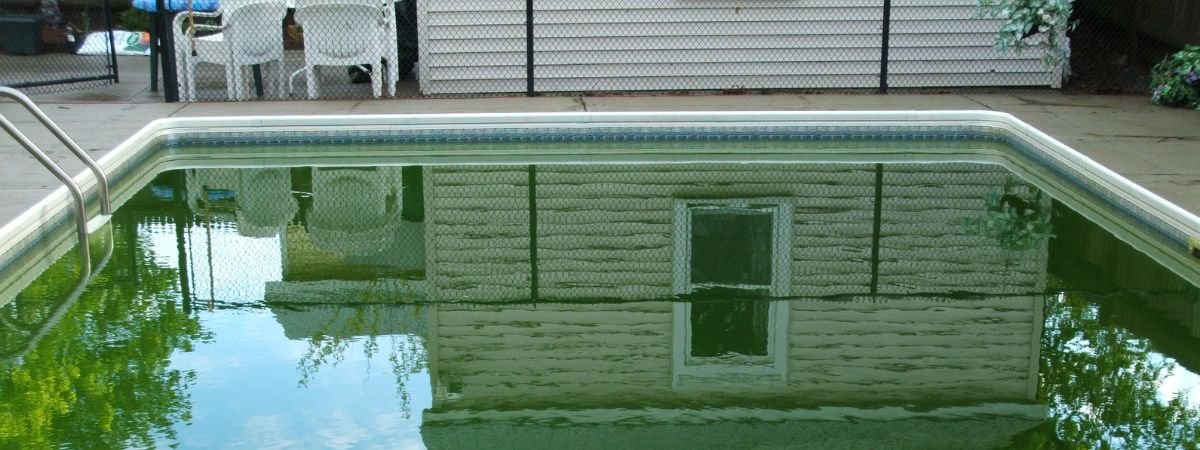
Algae can turn a clean pool green in just a few days. It happens when chlorine drops too low, the pH goes off, or the filter isn’t running long enough. Once algae takes hold, it spreads fast. What starts as slightly cloudy water can become a full green pool within 48 hours if nothing is done about it.
You don’t need to drain your pool to fix it. You just need the right steps done in the right order, and you need to follow through on all of them. Skipping steps is usually why algae comes back a week later.
Why Algae Grows In Your Pool
Algae spores are always in the air. They get into your pool through wind, rain, leaves, and even swimsuits or pool toys brought in from another pool. On their own, spores are not the problem. When chlorine is at the right level and pH is balanced, spores enter the water and get killed before they can grow. It is a constant process that works well when your chemistry is on track.
The breakdown happens when chlorine drops below the effective range, usually below 1 ppm, or when pH drifts too high and makes chlorine far less active. A pH of 8.0 means your chlorine is working at only about 20 percent efficiency. That gives algae exactly the gap it needs. Warm weather speeds up growth significantly because algae multiplies faster in heat. Poor circulation makes it worse. If your pump isn’t running long enough, parts of the pool sit in stagnant water where algae can settle and grow unchallenged. A dirty or clogged filter adds to the problem by pushing contaminated water back into the pool instead of cleaning it. This is one of the most common pool maintenance mistakes that leads to a green pool.
Types of Pool Algae
Before you start adding chemicals, identify what type of algae you are dealing with. Each type behaves differently and needs a slightly different approach. Using the wrong treatment wastes time and money.
Green Algae
Green algae is the most common type. It turns your water cloudy, hazy, or fully green and can coat walls and floors with a slippery film. It usually appears after heavy rain, a warm spell, or a stretch of low chlorine. The water may look like pea soup in a bad case.
Yellow or Mustard Algae
Mustard algae looks like sand or dirt sitting on the walls and floor. Many people brush it away thinking it is debris, and it comes straight back. It is resistant to normal chlorine levels, which makes it harder to clear than green algae. It spreads easily through swimsuits, pool toys, and cleaning equipment. Anything that went into an affected pool can carry spores to another one.
Black Algae
Black algae shows up as dark spots on rough surfaces like concrete, plaster, or pebble finishes. It is the most stubborn type. It has a protective outer layer and deep roots that grip into the surface. If black algae becomes a recurring problem, it may be a sign that your pool needs resurfacing to eliminate the porous areas where roots take hold.
How To Get Rid of Algae: Step by Step
Step 1: Test Your Water
Test your pH, alkalinity, and chlorine before adding anything. pH should sit between 7.4 and 7.6. Total alkalinity should be between 80 and 120 ppm. Chlorine should be at least 1 ppm before you shock, though for a green pool it is likely near zero. If pH is too high, lower it with muriatic acid before shocking. Shock treatment is significantly less effective in high-pH water, so balancing first is not optional.
Step 2: Brush the Entire Pool
Scrub every surface including walls, floor, steps, corners, behind ladders, and around all fittings. Do not just brush the areas where you can see algae. Spores spread well beyond the visible patches, and if you leave them, they will grow back. Brushing before shocking matters because it breaks the algae loose from surfaces and suspends it in the water where chemicals can reach it more effectively.
For black algae, use a steel brush and put real pressure on each spot. You are trying to physically break through the outer protective layer. Go over each patch multiple times. Without this step, the shock cannot penetrate deep enough to kill the roots.
Step 3: Shock Your Pool
Use a heavy dose of pool shock. For green algae, use two to three times the standard dose. For black or mustard algae, go higher, sometimes up to five times the normal amount depending on how bad the outbreak is. As a general guide, a severely green 10,000 gallon pool may need two to three pounds of calcium hypochlorite shock to start clearing.
Shock in the evening so UV from sunlight doesn’t break it down before it has time to work. Keep your pump running the entire time you add it and leave it running overnight. Making sure you have the best pool equipment ensures that chemicals are distributed evenly and work as intended.Always dissolve granular shock in a bucket of water before pouring it into the pool. Adding it dry can bleach or etch your pool surface.
Step 4: Add an Algaecide
Add algaecide a few hours after shocking, not at the same time. When chlorine levels are very high right after shocking, it can break down the algaecide before it has a chance to work. Wait until chlorine drops back to around 5 ppm, then add the algaecide. Use a product that matches your algae type. A copper-based algaecide works well for green and mustard algae. Quat-based products are a common choice for general prevention. Follow the dosage on the label.
Step 5: Run Your Filter
Run your filter continuously for at least 24 hours. For bad outbreaks, run it for 48 to 72 hours without stopping. Your filter is what physically removes the dead algae from the water. If you don’t run it long enough, dead algae stays suspended and the water stays cloudy or green even though the algae is no longer alive. Backwash your sand filter every 8 to 12 hours during this period. If you have a cartridge filter, pull it out and rinse it thoroughly. A blocked filter pushes dirty water back into the pool and undoes the work the chemicals are doing. The pool cleaning team at Gator Pool Services frequently finds that a clogged or underperforming filter is the main reason a pool stays green well after treatment.
Step 6: Vacuum the Dead Algae
Once algae dies, it sinks and settles on the floor. Vacuum it out before it breaks up and clouds the water again. If the debris is heavy, set your multiport valve to waste so the dirty water exits the system completely rather than going back through your filter. Move the vacuum head slowly and steadily. Going too fast stirs everything up and you will need to wait hours for it to settle again.
Step 7: Test and Balance Again
All that shocking and chemical treatment changes your water chemistry. Chlorine will be high, pH may have shifted, and alkalinity can be affected. Test everything again once the water starts to clear. Get chlorine back to 1 to 3 ppm, pH to 7.4 to 7.6, and alkalinity to 80 to 120 ppm before the pool is used again.
What Kills Pool Algae the Fastest
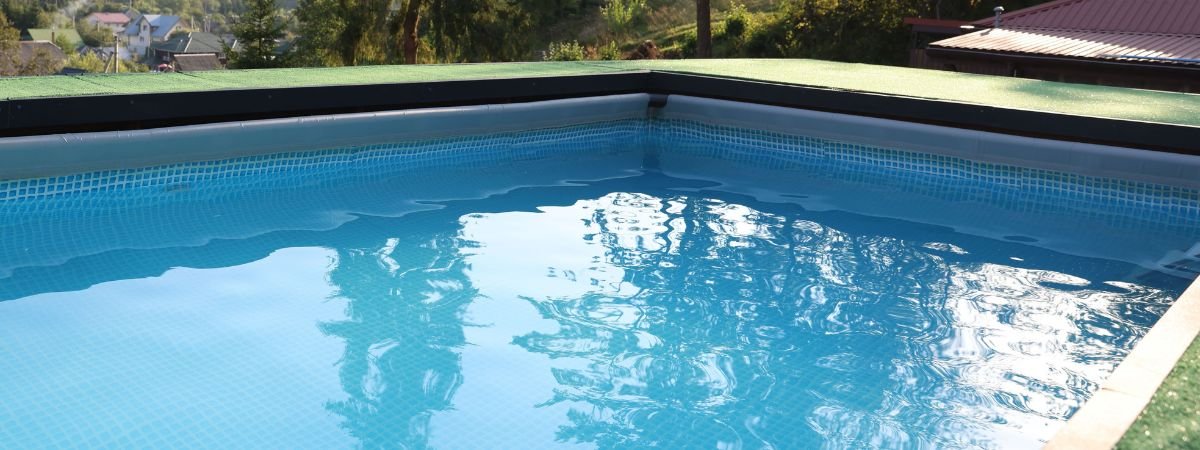
The fastest way to kill algae is a heavy shock treatment combined with continuous filtration. Shock raises free chlorine to a level that algae cannot survive. But the speed depends on a few things going right at the same time.
Your pH needs to be in range before you shock. High pH makes chlorine far less effective, so shocking into unbalanced water gives slow or poor results. Your filter needs to be clean and running so it can pull dead algae out of the water as quickly as possible. And you need to brush first so the chemicals can reach algae that is clinging to surfaces. When all three of those are done correctly, green algae can start clearing within 24 hours. Mustard and black algae take longer because they are more resistant, but the same principles apply.
How To Stop Algae Coming Back
- Test your water at least once a week, more often in summer or after heavy rain
- Run your pump 8 to 10 hours a day in warm weather, 6 hours minimum in cooler months. Many homeowners find that pool automation makes managing these run times much simpler and more reliable.
- Brush your pool walls and floor at least once a week to stop algae from settling
- Add a maintenance dose of algaecide weekly, especially through summer
- Backwash or clean your filter on a regular schedule, not just when flow drops
- Rinse your pool brush, vacuum head, and any other equipment after treating algae, because spores cling to surfaces and can re-enter the pool the next time you use them
- Check your phosphate levels a few times a year, as high phosphates give algae a constant food source even when chlorine is correct
Staying consistent with a basic pool care routine is more effective than any single treatment. Most repeat outbreaks happen because maintenance slips for two or three weeks and the water gets out of balance without anyone noticing.
What Actually Keeps a Pool Clear
Algae outbreaks nearly always come back to the same three things: water chemistry falling out of range, circulation not running long enough, or a filter that is not doing its job. When all three are working together, algae does not get a chance to grow. When one of them slips, algae fills the gap quickly.
Fix the current outbreak using the steps above. Then put a weekly routine in place that covers testing, brushing, and filter maintenance. Those habits do more than any single treatment. If your pool keeps going green despite doing everything right, it is worth having your equipment checked. There may be a dead spot in your circulation, a pump that is undersized, or a filter that needs new media. Getting that looked at will save you a lot of time and chemical costs over the long run.