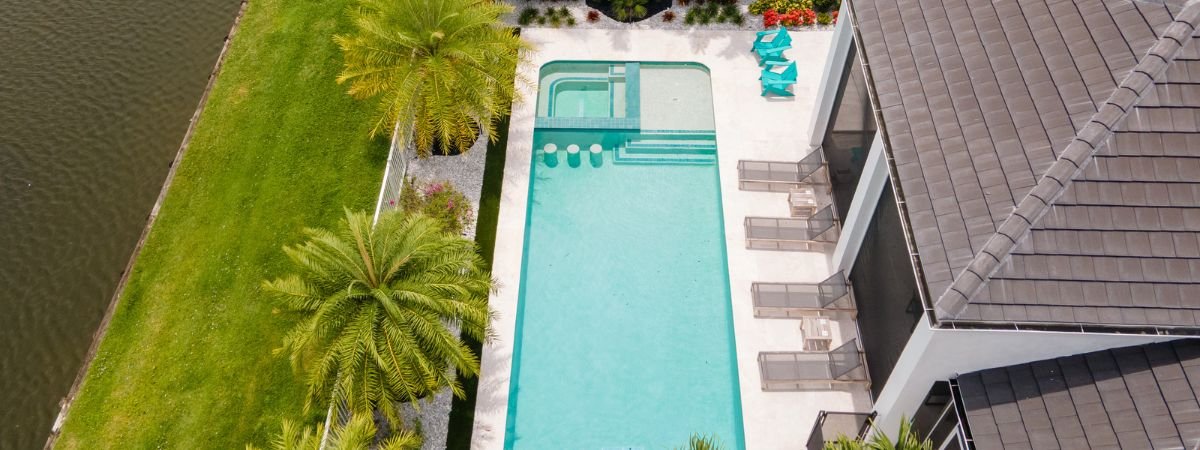
Hurricane season in Florida may be accompanied by wind, rain, flood, and power failure that may negatively impact your pool as well as its water safety. Taking the measures to prepare will help protect your swimming pool and avoid post-storm cleanup efforts.
Preparing your pool before the hurricane season in Florida is very important if you want to preserve your backyard as well as your pool equipment. There are several easy ways to prepare that can help minimize hurricane impact on the pool.
Each pool has different characteristics, which means that you have to take into account all specific features of your pool when preparing for hurricanes. Here you will find some useful recommendations for preparing your pool in Florida.
Why Pool Preparation Matters Before a Hurricane
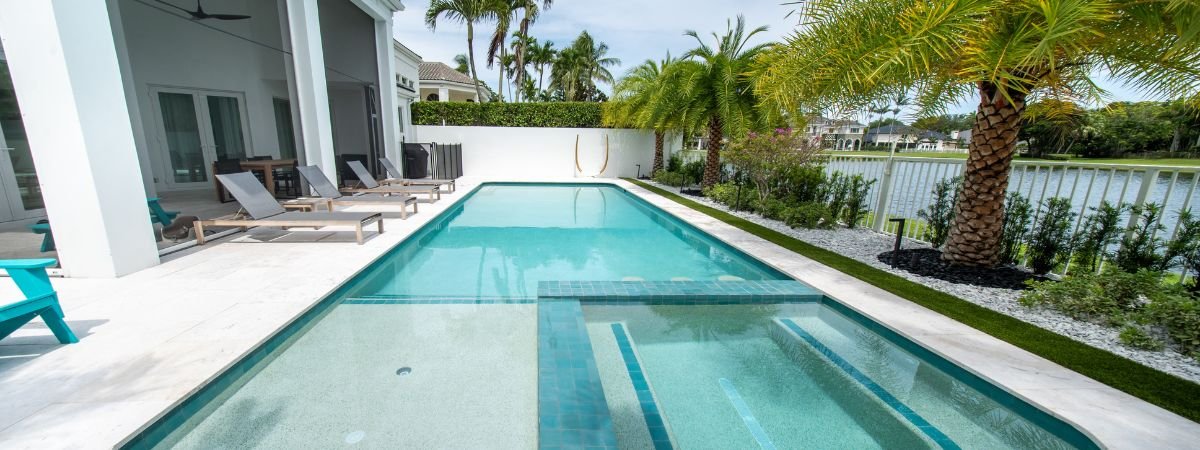
Being exposed to the weather elements, a pool becomes highly vulnerable during a hurricane. The wind can pick up branches, patio furniture and other things that can end up in the pool. Heavy rains will alter the composition of water, whereas flooding can cause dirt and debris to get into the pool.
Power outages can shut down the pool pump and filtration system. This, combined with lack of circulation, can affect the condition of the water after the storm.
Taking time to prepare your pool for a hurricane will allow you to:
- Minimize damage to pool equipment and surrounding areas.
- Prevent large items from ending up in your pool.
- Protect your pump, filter and electrical systems.
- Easily clean the pool after a storm.
- Detect any existing issues before the storm hits.
Preparation will not protect you from all kinds of damage, but you can avoid some common issues.
1. Clear Your Pool Before the Storm Comes
The first step is to clear the pool of leaves, dirt, insects, and any other debris. It will make it easy to check the pool after the storm and help in getting a good start on cleaning up the pool.
Clearing of Leaves and Other Floating Debris
You can do this using the pool skimmer to clear leaves and other debris floating in the pool. The walls and floor can be brushed where necessary. Empty the skimmer and pump baskets following the manufacturer’s directions.
It will reduce the debris that might settle in the filtration system during the storm.
Check Your Pool Filter
Look at your filter for any signs of damage and clean it as per the manufacturer’s instructions. A dirty filter may have trouble filtering all the extra dirt and debris brought in by the rain.
You should not open or repair your pressurized equipment when it is in operation. Turn off the equipment and follow the safety measures.
2. Monitor Pool Water Levels

Another popular question on hurricane preparations is related to whether one should drain their swimming pool before the hurricane.
In most cases, one is advised not to drain the pool to its bottom completely. An in-ground pool that is empty or partially drained can be subjected to major structural threats, especially when the water in the soil becomes abundant.
Water pressure from underground can lift the pool or cause structural damage. This might become an issue in regions where the water table level is quite high.
Should You Drain the Water in Your Pool?
There is no standard water level for every pool in case of hurricanes. Some might require only a little change in the water level.
| Pool condition | Recommended action |
|---|---|
| Water is at its normal operating level | Keep it there unless local guidance or your pool professional recommends an adjustment. |
| Heavy rainfall is expected | Check the drainage system and follow pool-specific advice about water levels. |
| Your yard is prone to flooding | Ask a pool professional about groundwater and drainage risks before making changes. |
| Water is already overflowing | Follow safe drainage guidance and avoid discharging water where it could damage property or violate local rules. |
Don’t make a snap decision on draining the pool without considering the consequences of that action. If you’re uncertain, consult a pool expert.
3. Protect Your Pool Pump and Electrical System
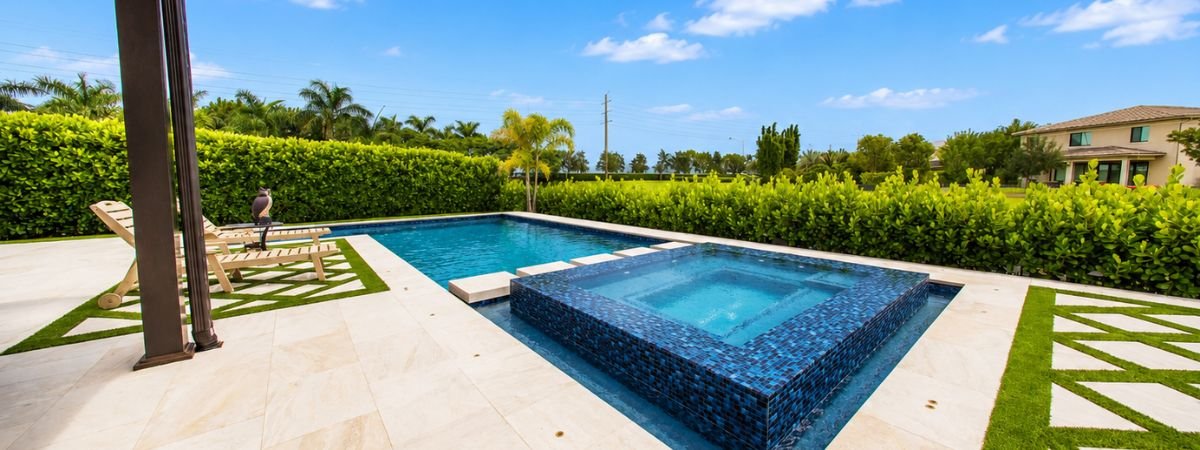
The pump, filters, heater, automatic systems, and wiring for these elements have to be protected from the effects of a hurricane.
Inspect the Area with Pool Equipment
Inspect for any loose things, damaged covers, visible wires, and any other things that can become airborne due to the wind near your pump and other equipment.
If your pump or any other equipment is installed at a lower level, assess if it can get flooded in such a case. An expert will be able to advise you on how to limit exposure in practice.
Turn off the Power if It’s Safe
Consult with the instructions of the equipment manufacturer and the advice of the authorities on how to shut off the power.
Do not work with any electrical systems when there is water nearby. Don’t touch any controls if the area is flooded.
If water floods your pool equipment, stay away from the area until it has been declared safe. Have professionals assess and declare the equipment safe to use before using it.
4. Tying Up Pool Furniture and Other Outdoor Equipment
With the winds that come with the hurricane, there will be problems for whatever items there are outside of the pool. These may include patio furniture, umbrellas, pool equipment, cleaning equipment, and any other outside decorations.
Storing Loosely Placed Items Indoors
You should do the following before the storm:
- Put the pool toys, floats, and cleaning equipment in a secure indoor place.
- Move the light furniture and tables inside.
- Anchor all umbrellas according to the procedure indicated in the instruction manual.
- Anchor any portable swimming pool accessories.
- Pick up any loose decorations outside the pool.
You should not assume that any furniture will remain in its place despite being very heavy when the wind speeds reach hurricane levels.
Check for Nearby Trees and Limbs
Make sure that there are no dead trees or broken branches overhead in the vicinity of your pool area. Provided there is ample time, make certain to get the necessary tree trimming work done before hurricane season starts.
Tree trimming should not be done in windy conditions or prior to a storm. Such dangerous tasks should be left to professionals.
5. Get Your Pool Water Chemistry Prepared
A good amount of rainfall is bound to cause changes in your pool water chemistry as it may alter the chemical balance of the water as well as introduce debris into the pool.
Carrying out water testing and balancing before the hurricane helps to set a benchmark on which you can build.
Test The Main Water Levels
Test the pH levels and sanitizer levels using a suitable pool water testing kit. Follow the directions of the chemical manufacturer or pool expert.
Don’t add additional chemicals just because the hurricane is coming as too many chemicals will damage pool surfaces and equipment.
Correct Storage of Chemicals
Ensure that pool chemicals are always stored in their original labeled containers in cool, dry, and well-ventilated places, free from flooding and incompatible products.
Pool chemicals should never be mixed together. Besides, ensure that you store them far away from children and pets.
In the event that your storage place for the pool chemicals is flooded, avoid touching the leakages or damaged containers without any information.
6. Protect Your Pool From Flooding
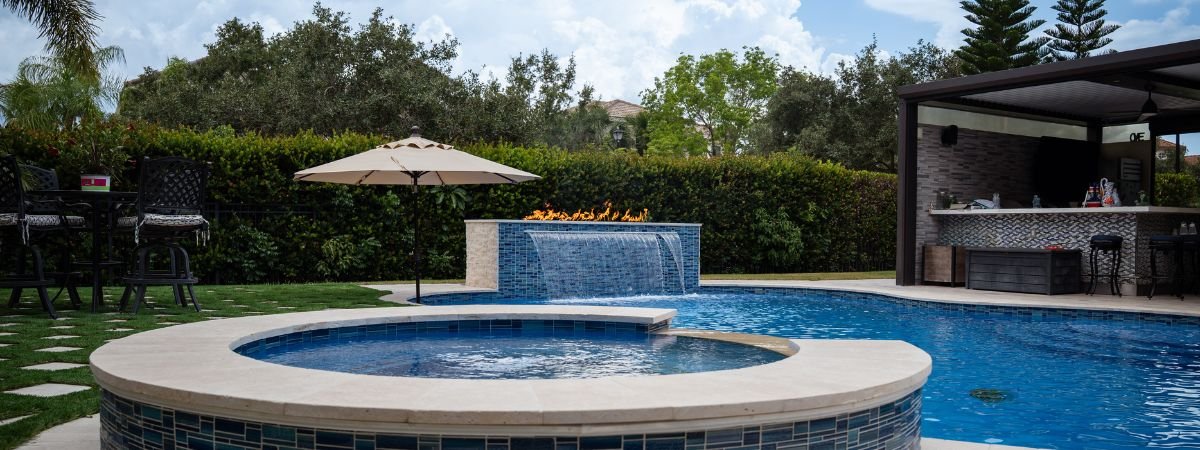
Floodwater will bring along many types of contaminants to a pool. The pools may even face electrical hazards during floods, as well as the issue of flooding of underground pipes.
Though it may be impossible for you to prevent flooding into your backyard, you may inspect drainage issues before the flood comes.
Drain Inspection in the Pool Deck Area
Remove leaves and other debris from outdoor drains and drainage facilities where it is possible. Ensure that rainwater has an appropriate path around your house and pool facilities.
Ensure that the rainwater does not go towards neighboring premises. Follow the municipal laws regarding stormwater.
Remember to Consider Floodwater Safety
There are likely contaminants in the floodwater which are invisible and could not always be filtered. Thus, if there is floodwater in the pool, one should not assume that it is safe because it appears clear.
It is necessary to wait until the storm ends and it is possible to examine the pool. In case of heavy flooding, seek professional assistance in testing and examining the pool.
7. Determine if a Pool Cover is Appropriate for Your Situation
It would seem that a pool cover is an obvious solution to protecting the pool water from leaves and other objects. However, not all pool covers are hurricane-safe.
Obey the Cover Manufacturer’s Recommendations
Ascertain whether your cover is compatible with the projected weather conditions. In case the manufacturer recommends removal prior to strong winds, then adhere to these instructions.
Never take for granted that a safety cover is capable of safeguarding the pool against the hurricane-related litter. Safety covers have a particular use and limitations.
In case you do not have an appropriate cover, concentrate on anchoring any items outdoors and tidying up the pool before the hurricane.
8. Develop a Hurricane Pool Preparation Checklist
Preparing your pool becomes easier once all the crucial steps have been taken ahead of time before the severe weather is anticipated. Take advantage of the below list.
- Remove the leaves and other litter from the pool.
- Drain skimmer and pump baskets.
- Inspect the filter as well as visible equipment damages.
- Inspect the water level and take necessary actions based on expert recommendations.
- Anchoring and stowing the furniture, umbrellas, and other items.
- Clearing any blockage within outdoor drains.
- Testing the water for chemical adjustment.
- Check guidelines on how to prepare pool covers and turn off other equipment.
- Have all emergency materials ready.
- Comply with any evacuation orders and storm safety precautions from officials.
All these preparations should be completed long before the arrival of the storm. Do not go out into the open once there are strong winds blowing around.
9. What You Should Do After the End of a Hurricane
After the hurricane has passed, remain indoors until you have been notified that it is safe to go out. Steer clear of flooded areas, downed power lines, dangerous structures, and damaged electrical appliances.
Once it is determined that it is safe to go around, check the pool and whether you can use it and restart all the equipment.
Removing Debris Safely
Remove floating debris from the pool using appropriate pool cleaning equipment. In case there are big items in your pool, or there are signs of tile damage, exposed wiring or cracks in the structure, call for a professional inspection.
Do not enter the pool to remove any debris that is heavy or located near the electrical equipment.
Pool Water and Filtering Equipment
Make sure to test the pool water before entering the pool to swim. The rain water or flood water may impact the sanitizer balance and pH levels of your water.
If your water looks dirty or discolored or has been contaminated by flood water, you should not allow people and even pets to swim in it until it gets inspected and treated.
When to Get Your Pool Professionally Maintained
In some cases, the damage caused by the storms goes beyond standard cleaning procedures and will need professional intervention. If you observe:
- Damages such as cracks.
- Any equipment that does not operate correctly.
- Persistent cloudy or green water.
- Floodwater damage.
- An unusual drop in water levels within your pool.
Conclusion
There are some things you need to do to be prepared for the hurricane season in Florida: clean your water, inspect the equipment, tie down any loose items, inspect your drainage system, and comply with safe water level and chemicals regulations. All of these actions can minimize unnecessary damages and help restore your pool afterward.
It is important to keep in mind that each individual pool is subject to various dangers and you should be aware of all of them. You should always listen to local emergency recommendations, stay indoors during dangerous weather, and have professional inspections done if you think there is any kind of damage to your pool or other structures.
Gator Pool Services provides homeowners with pool cleaning and maintenance services.