

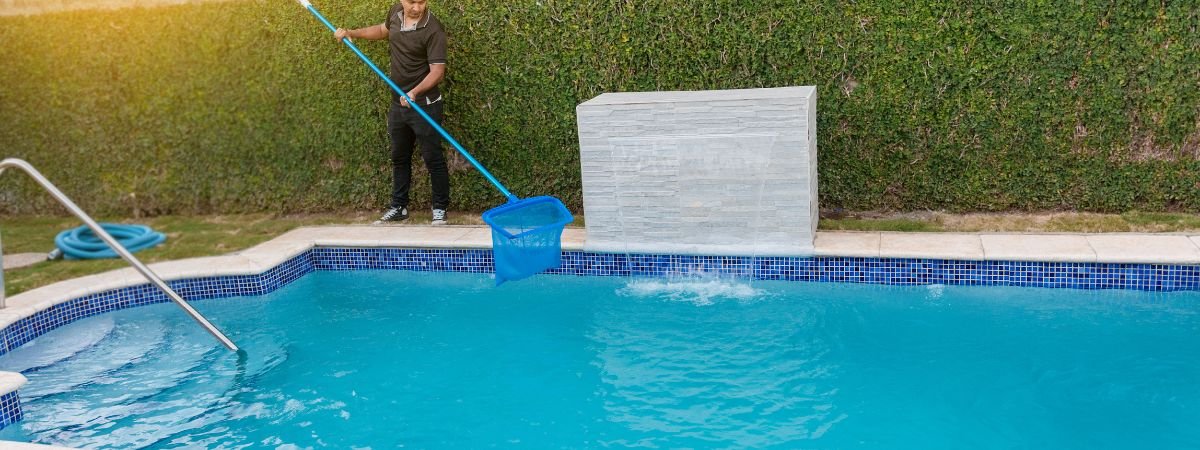
Owning a swimming pool is a wonderful way to enjoy your backyard, exercise, and spend quality time with family and friends. However, maintaining a pool goes beyond simply keeping it looking nice. Regular pool maintenance helps keep the water safe, clean, and comfortable while protecting your pool equipment from early wear and costly repairs. With the right care, your pool can remain a relaxing and enjoyable space for years to come.
Swimming pools are exposed to dirt, debris, and constant use, which can quickly affect water quality and overall performance. Routine swimming pool maintenance ensures that your water stays balanced, your filters work efficiently, and potential problems are caught early. Consistent pool cleaning and care not only keep the water inviting but also prevent bigger issues that could take time and money to fix later.
In this blog, you will get to learn about the importance of pool maintenance, and what happens when you do not maintain your pool, some amazing benefits of regular pool maintenance, like having cleaner and safer water, longer equipment lifespan, cost savings over time, and better water circulation and balance. You will also discover simple weekly pool cleaning tasks, why water balance matters, how circulation and filtration work, tips for seasonal pool care, signs your pool may need professional help, and how professional pool maintenance near me can make pool ownership easier and more enjoyable.
What Happens If You Don’t Maintain Your Pool?
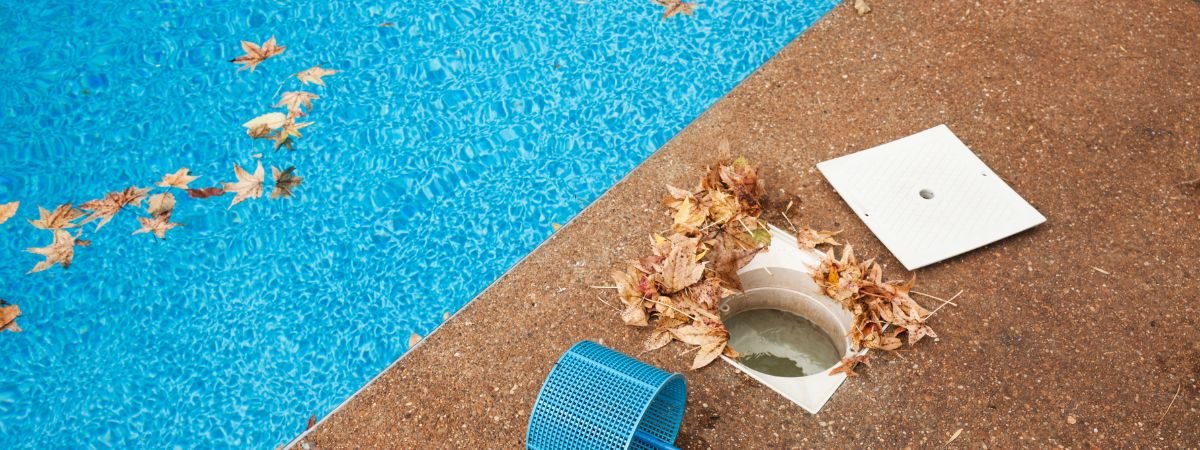
Neglecting regular pool maintenance can quickly lead to algae growth, cloudy or unsafe water, and an unpleasant smell. Poor circulation allows debris and bacteria to accumulate, making the pool unsafe for swimming. Stains on tiles and plaster, along with mineral buildup, can appear over time, reducing the pool’s visual appeal and creating extra cleaning work. Without consistent care, even small issues like clogged filters or dirty skimmer baskets put extra strain on pumps, heaters, and other equipment, increasing the chance of breakdowns.
For homeowners, skipping residential pool maintenance can result in high pool maintenance costs later. Severe chemical imbalances and untreated debris can damage surfaces and plumbing, while green or foul-smelling water makes the pool unusable. The longer a pool goes unmaintained, the more expensive and time-consuming it becomes to restore, turning what should be a relaxing backyard feature into a financial and safety concern.
Top Benefits Of Regular Pool Maintenance
Maintaining your pool properly offers multiple amazing advantages that make ownership easier and more enjoyable. Whether you own a fibreglass pool or another type, reading on will help you discover why regular pool maintenance matters.
1. Cleaner And Safer Water
Regular swimming pool maintenance helps prevent bacteria and algae from taking over, keeping your pool clean and safe for everyone. Consistent regular pool cleaning removes dirt, debris, and germs, while proper circulation ensures chemicals are evenly spread to protect swimmers from waterborne illnesses.
Routine pool water testing maintains the right chemical balance, preventing skin irritation, red eyes, and other health issues. By keeping your water clear, healthy, and inviting, regular maintenance creates a safe environment where swimmers can enjoy their pool with confidence every day.
2. Longer Equipment Lifespan
Pumps, filters, and heaters perform better and last longer when they are regularly cared for. Regular residential pool maintenance keeps water balanced and removes debris, preventing corrosion, mineral buildup, and wear on moving parts.
Consistently checking your pool and performing pool filter cleaning as part of routine pool maintenance services also reduces stress on equipment. This early attention stops small issues from turning into major repairs. Well-maintained equipment runs smoothly, stays efficient, and gives you years of reliable service while protecting your investment.
3. Cost Savings Over Time
Consistent weekly pool maintenance is one of the best ways to save money over time. Small routine upkeep prevents minor issues from turning into expensive repairs, like leaks or damaged equipment. Early detection of problems means you can fix them quickly and affordably, avoiding major work that could cost thousands. Keeping your pool clean and balanced also prevents algae growth, which is much cheaper to manage when caught early.
Regular pool cleaning and care help equipment run efficiently and last longer. Well-maintained pumps, filters, and heaters use less energy, lowering utility bills. Balanced water chemistry reduces chemical waste and prevents costly damage to surfaces and machinery. Investing a little time in regular care now keeps the pool maintenance cost far lower than emergency repairs in the future.
4. Better Water Circulation And Balance
Good swimming pool maintenance keeps water moving efficiently, which is essential for clear and inviting water. Proper circulation spreads sanitizers evenly and pushes debris toward filters, preventing stagnant areas where algae and bacteria can grow. Clean pool filter cleaning and properly running pumps also help the water flow smoothly, reducing stress on equipment and making the pool easier to enjoy. Good flow ensures every corner of your pool stays fresh and healthy.
Balanced water is equally important. Pool water testing keeps pH, alkalinity, and sanitizer levels in the right range, protecting swimmers from irritation and preventing damage to tiles and equipment. Proper chemical balance allows chlorine to work efficiently, keeping your pool safe and sparkling. Whether you own a saltwater pool or a chlorine pool, maintaining water flow and chemistry together ensures a comfortable, healthy, and long-lasting swimming environment.
Essential Weekly Pool Care Tasks
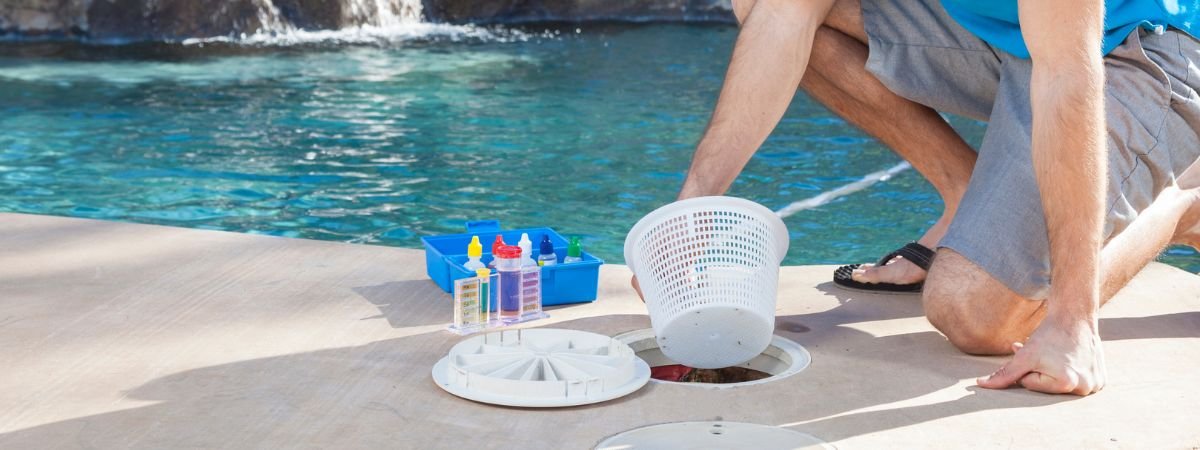
Keeping your pool in good shape each week takes a few important steps. These small tasks make a big difference, and by reading below, you will learn the essential weekly pool care tasks.
1. Skimming And Surface Cleaning
Regular skimming keeps your pool looking clean and helps remove leaves, bugs, and loose debris before they sink. This small task keeps the water fresh and makes it easier for your filter to do its job. It also stops dirt from breaking down in the water, which helps keep your sanitizer working the way it should.
Keeping the surface clear also supports better flow and reduces pressure on your equipment. When the top layer stays clean, your pump does not struggle, and your pool stays more enjoyable to use. This simple habit is one of the easiest ways to support pool cleaning, pool maintenance services, and long-lasting residential pool maintenance.
2. Brushing Walls And Steps
Brushing the pool walls and steps each week helps stop early algae buildup and keeps the surfaces clean and smooth. This simple task reaches the areas that moving water often misses, which is why it plays an important role in algae removal. As you brush, loose dirt and small particles lift into the water, making it easier for your system to clear them out.
Regular pool brushing also helps protect the look and feel of your pool. It supports the long life of clean tiles by removing light stains and buildup before they become harder to deal with. Keeping these surfaces fresh makes swimming more enjoyable and reduces the chance of marks or rough patches forming over time.
3. Vacuuming The Pool Floor
Using a pool vacuum each week helps clear the bottom of any pool debris that slowly settles over time. This step keeps a clean pool floor, improves how the water looks, and makes swimming more enjoyable. You can use a manual vacuum if you like being more hands-on, or choose an automatic option that moves around on its own.
Regular pool cleaning with a vacuum also helps keep your equipment in better shape. By removing heavier particles before they break down, you reduce extra work on the system and help your pool stay fresh and easier to maintain in the long run.
4. Checking Skimmer And Pump Baskets
Keeping the skimmer basket and pump basket clear is an important part of weekly pool cleaning, as these baskets catch larger debris before it reaches the system. When they fill up, water struggles to move through properly, which affects circulation and can make the water look dull. Regular checks help your system work smoothly and keep the pool feeling fresh.
This simple step also supports pool pump maintenance by preventing stress on the motor. A clean basket allows steady water flow, reduces the risk of overheating, and helps protect the equipment from early damage, saving you from unexpected repair costs.
Why Water Balance Matters
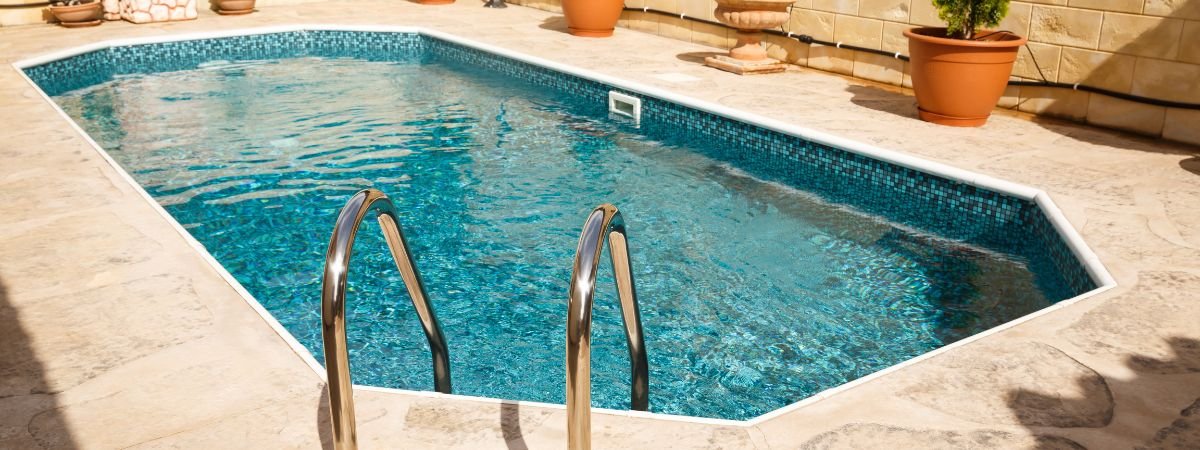
It is important to maintain the right water balance is a big part of pool water chemistry, as it helps keep the water clear, steady, and enjoyable for everyone. When the balance is off, it can affect pool safety and create small issues that grow over time. By reading below, you will understand why proper water balance matters so much.
1. pH Levels And Water Comfort
Keeping the pH levels in the right range plays a big role in swimming comfort. When the water is balanced, it feels gentle on the eyes and skin, and it helps create a safe pool for everyone. If the pH becomes too high or too low, the water can feel harsh, and swimmers may notice redness, dryness, or general discomfort during and after a swim.
Balanced pool water chemistry also protects your pool surfaces and equipment. Water with very low pH can eat away at metal parts, while high pH can lead to mineral buildup on tiles and fittings. When the pH stays steady, your sanitizers work better, the water stays clearer, and your pool system runs smoothly without extra stress.
2. Sanitizer Levels
The sanitizer in your pool works nonstop to keep the water safe. Steady chlorine levels help control bacteria and other germs that enter the pool water, making sure everyone can swim without health concerns. With the right amount of sanitizer in place, the water stays clearer and feels cleaner for daily use.
A well-maintained level also helps prevent algae and reduces the chance of cloudy water. When the sanitizer drops too low, the pool quickly becomes harder to manage. Staying consistent helps your system work smoothly, supports long-term clarity, and keeps your clean swimming pool in good condition with less effort.
3. The Role Of Pool Testing Kits
Regular checks with pool test kits help you understand what is happening in the water, even when it looks clear on the surface. Frequent water testing shows whether the levels are within a safe range and helps you spot small changes early. Many pool owners test a few times a week, while others test daily during heavy use.
The results guide your next steps in pool maintenance, making it easier to adjust chemicals without guessing. When you know what each reading means, you can keep the water steady and avoid problems before they grow. This keeps your overall pool care simple, predictable, and more cost-effective.
Understanding Pool Circulation And Filtration
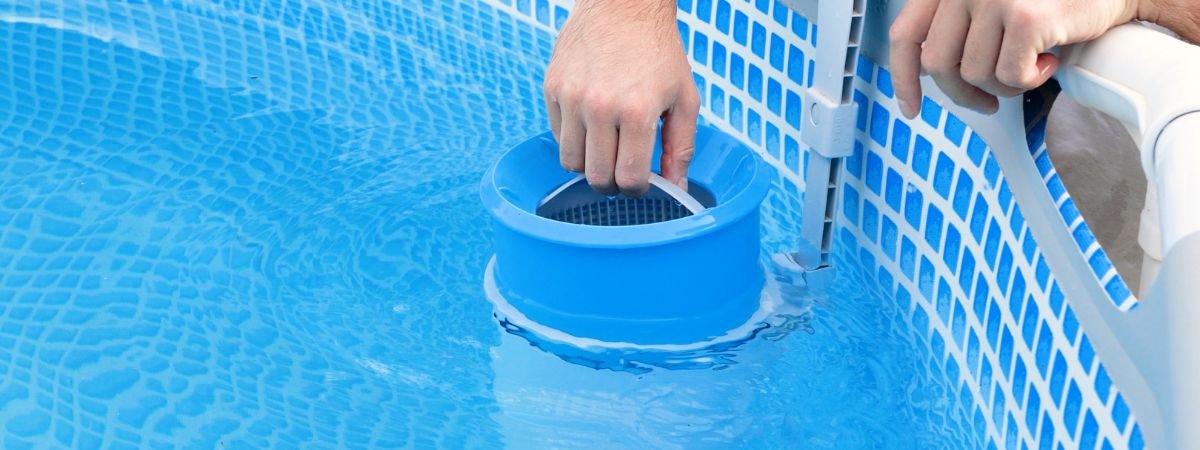
Understanding pool circulation and pool filtration helps you see how your system keeps the water moving and clean. The pool pump pulls water through skimmers and drains, pushes it through the filter, and sends it back out to mix evenly. This steady flow removes impurities, spreads treatments properly, and supports clean water for everyone who swims.
1. How Long Your Pool Should Run Each Day
Most pools need steady movement each day to keep the water fresh, so most owners start with around 8 pool pump hours. This helps your water circulation move through the system at least once a day. When the water keeps flowing, it allows the pool filtration system to do its job properly and support clean water that looks clear and feels safe to swim in.
The exact timing can shift based on the weather, pool size, and how often people swim. Warmer days or busy weekends may need longer run times. It helps to check your water now and then and adjust the schedule whenever you notice small changes in clarity.
2. When Filters Need Attention
Filters need attention when the pressure gauge starts showing a higher reading than normal, as this is often the first sign that pool filter maintenance is needed. A rising pressure number means the filter is filling with debris and slowing the flow of water. Checking this gauge regularly helps you protect your pool equipment and keep the system running smoothly.
If the filter becomes loaded with dirt, backwashing or gentle filter cleaning is usually enough to restore good flow. Each filter type has its own cleaning method, so following the right steps helps your water stay clear and easy to manage.
Pool Care For Every Season
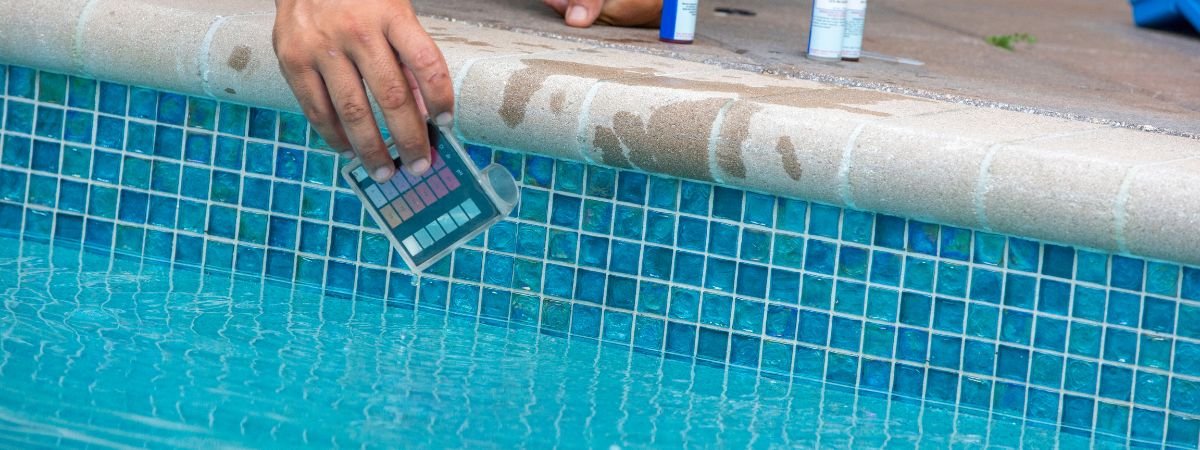
Taking care of your pool changes with the seasons. Proper seasonal pool maintenance helps protect water and equipment. By reading below, you will learn simple ways to maintain your pool safely and efficiently throughout the year.
Winter:
- Lower water level below the skimmer line in cold climates
- Add winterizing chemicals to protect the pool upkeep
- Cover the pool securely to keep out leaves and debris
- Run the pump a few hours daily in warm climates for year-round pool care
Spring:
- Remove the pool cover and clean it thoroughly
- Inspect and reconnect all pool equipment
- Skim, brush, and vacuum to remove winter debris
- Test water and adjust chemicals before opening for swim season
- Consider updating your pool with a trending pool design for a fresh new look
Summer:
- Skim daily to remove leaves, bugs, and debris
- Brush walls and vacuum the floor weekly to prevent algae
- Test water chemistry 2–3 times per week
- Run the pool pump 8–12 hours to maintain circulation
Fall:
- Skim leaves frequently to prevent staining
- Clean or backwash the filter to handle debris
- Adjust chemical levels as temperatures drop
- Prepare equipment and cover for the upcoming winter
Signs Your Pool Needs Professional Help
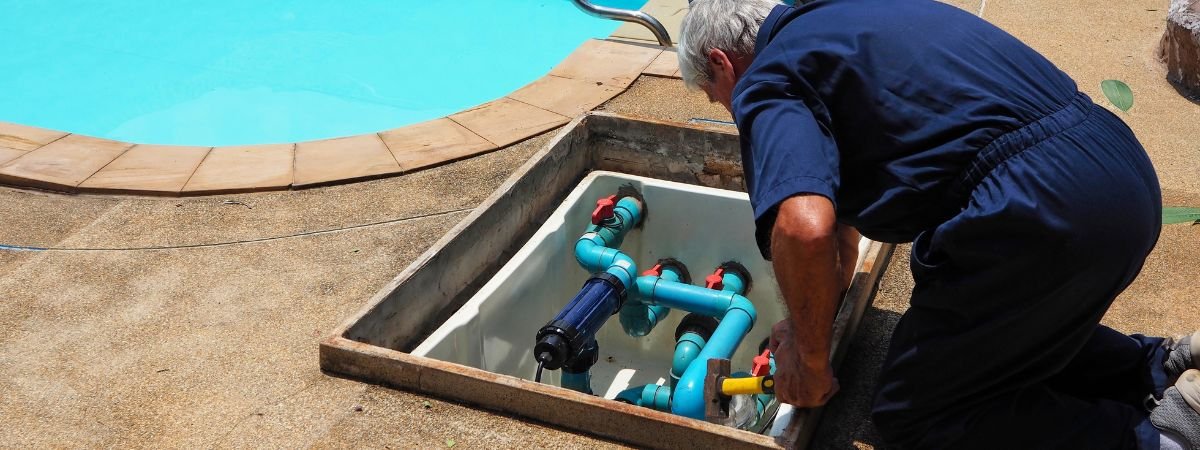
Sometimes, even with regular care, your pool may show signs that it needs expert attention. There are certain indications you will notice that suggest it is time for a professional pool service to check and resolve underlying issues.
- Cloudy Water: Sudden or persistent cloudy water can mean chemical imbalances or filtration problems. A pool inspection can identify the cause and restore clarity safely.
- Weak Circulation: If water flow feels slow or return jets are weak, your pump or filter may not be working efficiently, increasing pool maintenance problems.
- Algae Returning: Algae that comes back quickly after cleaning or shocking may indicate sanitizer issues or hidden contamination, requiring professional help for proper treatment.
- Rising Energy Bills: Unexpectedly higher energy costs may mean the pump or heater is working harder due to hidden pool issues, worn parts, or blockages.
- Equipment Noise or Leaks: Unusual sounds, leaks, or vibrations from pumps, heaters, or filters suggest damage that needs immediate attention to prevent further issues.
How Professional Maintenance Helps Homeowners
Hiring a professional pool maintenance service saves homeowners time and effort by handling routine tasks like skimming, brushing, vacuuming, and chemical adjustments. This allows busy homeowners to enjoy their pool without stress while ensuring all aspects of pool upkeep are done correctly and on schedule.
Pool care experts provide inspections that catch small issues early, protecting your equipment and preventing costly repairs. Their experience keeps pumps, filters, and heaters running efficiently, maintaining water clarity and safety. Using a pool cleaning service ensures consistent, high-quality results, making it an ideal solution for anyone who wants hassle-free pool care and a fully functional, enjoyable pool all year.
Keeping Your Pool Safe and Sparkling
We at Gator Pool Services take pride in keeping your pool sparkling clean and safe all year round. Whether you need routine pool cleaning, equipment maintenance, or chemical balancing, we provide reliable and professional services tailored to your needs. Our team is committed to making pool ownership easy and stress-free, so you can enjoy a refreshing swim anytime. Reach out to us today at info.example@gmail.com or call (123) 456-0000 to schedule a service or learn more about how we can help with your pool care.
Frequently Asked Questions (FAQs)
How often should I replace my pool equipment?
Most pool equipment lasts five to twelve years, depending on the type and how often it is used. You should watch how it is working, not just its age. If a pump, filter, heater, or cleaner makes strange noises or needs constant repairs, it may be time to replace it. Regular pool maintenance and timely upgrades help equipment last longer and keep your pool running safely.
Can pool maintenance prevent algae stains on tiles?
Yes, pool maintenance is one of the best ways to stop algae from staining tiles. Algae spores are always in the water, but regular care keeps them from growing. You should keep your water balanced, brush steps and corners often, and run the pump daily so the water moves and passes through the filter. Skimming leaves and vacuuming the floor removes debris before it feeds algae. Adding a little algaecide to your sanitizer gives extra protection. When you follow a consistent maintenance routine, you will find your pool tiles stay clear and clean without stubborn stains forming.
Are there eco-friendly products for pool cleaning?
Yes, there are several eco-friendly products that make pool cleaning easier and safer for the environment. Robotic cleaners use little energy to clean floors and walls on their own. UV and ozone systems reduce the need for harsh chemicals. Natural enzyme treatments and biodegradable clarifiers keep water clear and scum-free. Saltwater and mineral-based systems lower chlorine use while still keeping the pool healthy and safe for swimming.
How does sunlight affect my pool water chemistry?
Sunlight can quickly change your pool water chemistry by breaking down chlorine and warming the water. When chlorine drops, bacteria and algae can grow faster. Warmer water also makes chemicals work differently and can cause pH to rise. You can manage this by adding stabilizers, testing the water often, running the pump longer, and covering the pool when it is not in use. These steps help keep water balanced and safe.
What are common mistakes first-time pool owners make?
First-time pool owners often make mistakes that can cause problems and extra costs. Common issues include not running the pump long enough, neglecting the filter, or skipping weekly manual cleaning. Many focus only on chlorine and ignore pH and other chemicals. Safety mistakes like forgetting a fence or delaying small repairs are also common. Staying consistent with maintenance and checking water regularly can prevent these issues and keep your pool safe and enjoyable.
Can frequent swimming cause a pH imbalance in my pool?
Yes, frequent swimming by many people can cause the pH in your pool to rise. Splashes and movement release carbon dioxide from the water, and swimmers add oils, sweat, and sunscreen that affect the chemicals. Warmer water during heavy use also speeds up reactions. To manage this, test the water more often, adjust the pH when needed, and encourage swimmers to shower before entering to keep the pool balanced.
What is the ideal water temperature for a pool?
The ideal water temperature for a pool depends on how it is used. For most recreational swimming, 78 to 82 degrees Fahrenheit is comfortable. Children, seniors, or therapy pools may need warmer water, while lap swimmers prefer it slightly cooler. Keeping the temperature in the right range saves energy and helps prevent health issues. Warmer water also encourages algae and bacteria, so testing and treatment are important to keep the pool safe.