

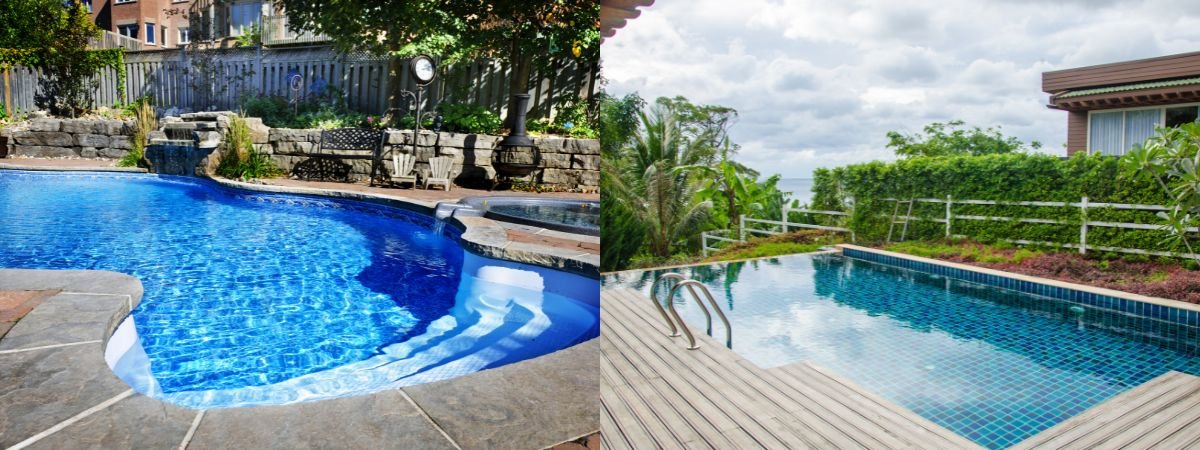
If you’re thinking about adding a swimming pool to your backyard, one of the first decisions you’ll need to make is the type of pool design. Two of the most popular choices are zero-entry pools and traditional pools. While both offer a great way to cool off and enjoy outdoor living, they are very different in how they look, feel, and function.
At Gator Pool Services, we help homeowners choose pool designs that match their lifestyle, space, and long-term needs. This guide explains the differences between zero-entry pools and traditional pools in a clear and simple way, so you can make a confident decision for your home.
What Is a Zero-Entry Pool?
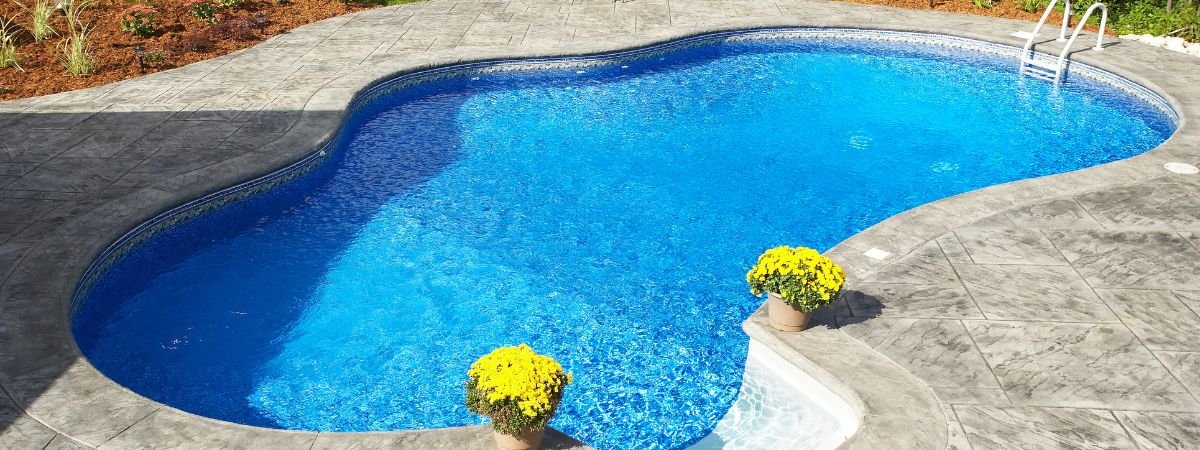
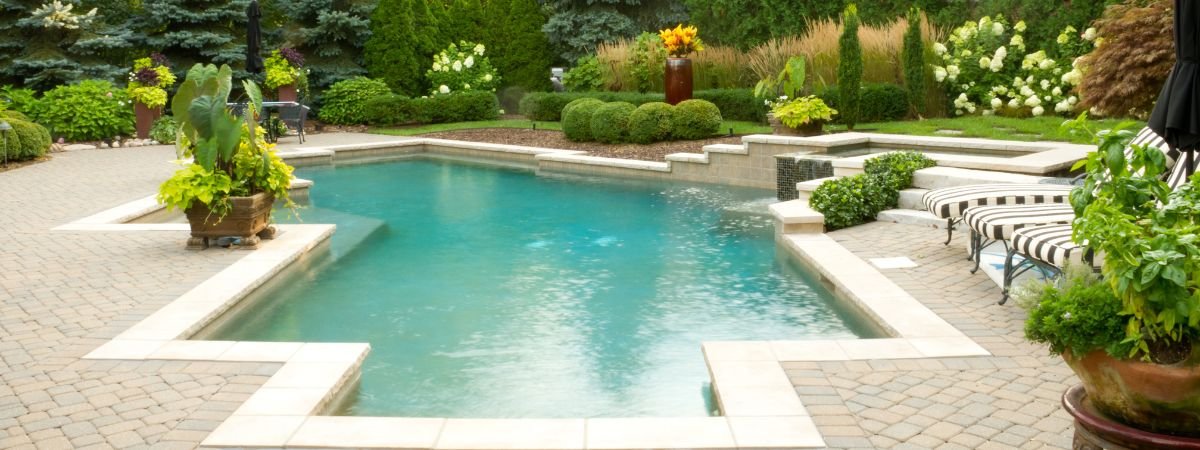
A zero-entry pool, also known as a beach-entry pool, is designed with a gentle slope that starts at ground level and slowly goes deeper as you walk in. There are no steps or ladders at the entry point. Instead, it feels like walking into the ocean from the shore.
This design makes the pool feel open and welcoming. It also blends smoothly with the surrounding deck or patio, giving the backyard a relaxed, resort-style look.
Zero-entry pools are popular with families, seniors, and anyone who wants a pool that is easy to access and comfortable to use.
Key features of a zero-entry pool:
- Gradual walk-in slope
- No sudden drop-offs
- Easy access for all ages
- Wide shallow areas for relaxing or playing
- Natural and modern appearance
What Is a Traditional Pool?
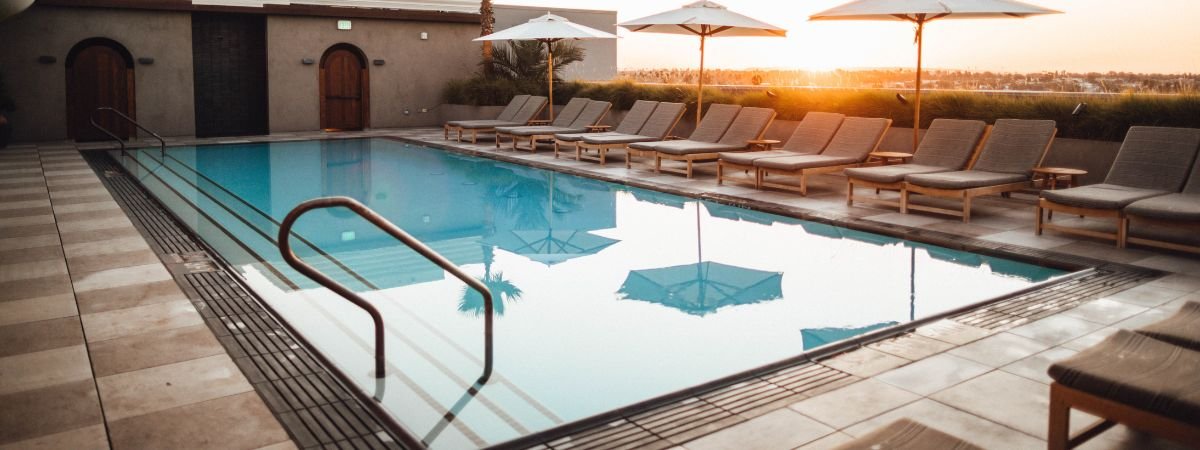
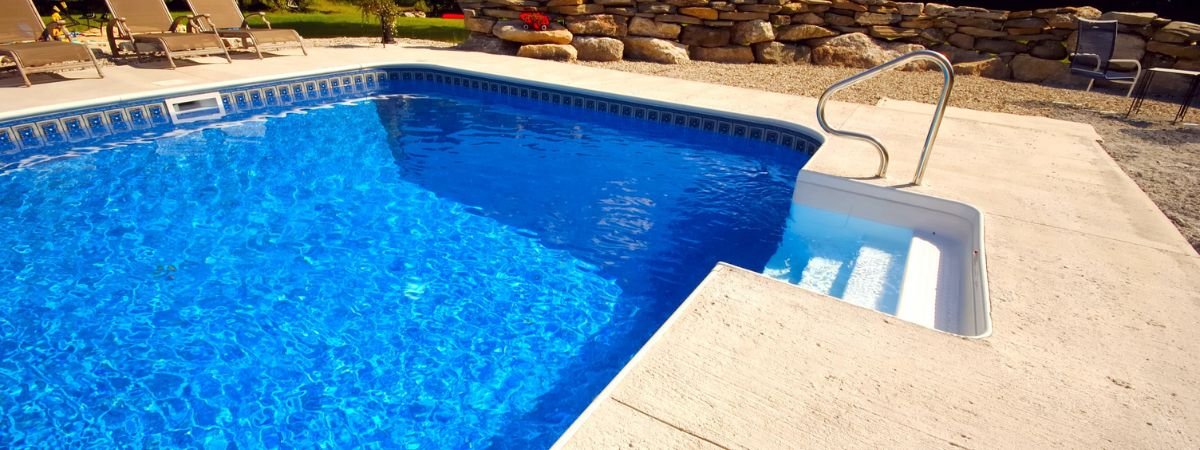
A traditional pool is what most people think of when they picture a backyard swimming pool. It usually has clear edges and uses steps, benches, or ladders to enter the water. The depth increases more quickly compared to a zero-entry pool.
Traditional pools come in many shapes and sizes, such as rectangular, oval, or freeform designs. They work well for swimming, exercise, and structured pool layouts.
Key features of a traditional pool:
- Steps or ladders for entry
- Defined shallow and deep ends
- Compact design options
- Classic and familiar look
- Suitable for swimming laps and diving areas
Main Differences Between Zero-Entry and Traditional Pools
The biggest difference between these two pool styles is how you enter the water. A zero-entry pool allows you to walk in slowly, while a traditional pool uses steps or ladders.
Zero-entry pools focus on comfort, easy access, and relaxation. Traditional pools focus on function, swimming space, and efficient use of yard space.
Your choice will depend on how you plan to use your pool and who will be using it most often.
Design and Construction Differences
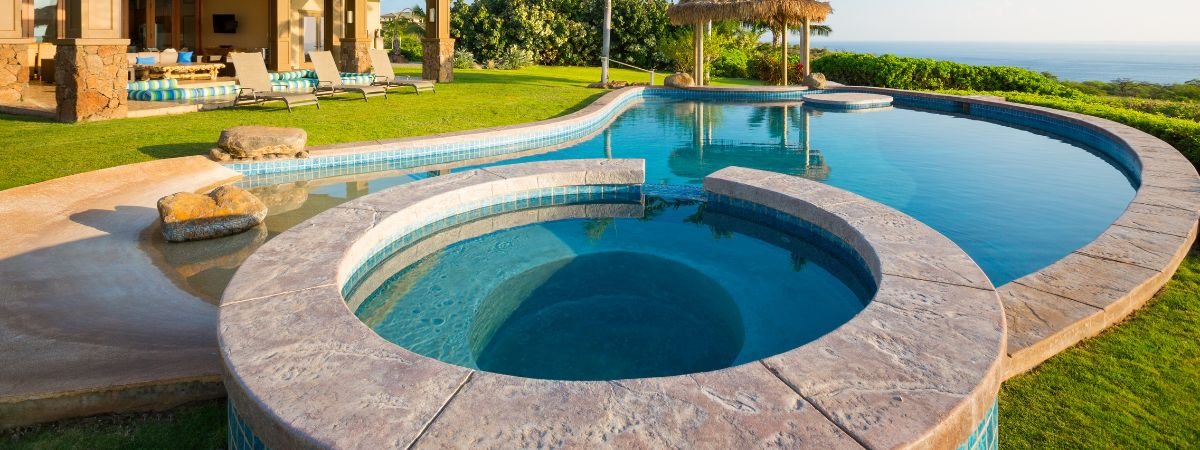
Zero-Entry Pool Design
Zero-entry pools require more planning during construction. The gradual slope must be carefully built to ensure safety and smooth water flow. This means more detailed shaping of the pool floor and extra attention to materials.
These pools often include added features such as shallow lounging areas, built-in seating, or water features. Because of the wide shallow zone, they usually take up more surface space in the yard.
Traditional Pool Design
Traditional pools are more straightforward to build. The shallow end usually starts at a set depth, and the pool floor slopes down to the deeper end.
Because the design is simpler, traditional pools can fit into a wider range of yard sizes. They also work well with automatic covers and standard pool equipment.
Which Pool Is Better for Families?
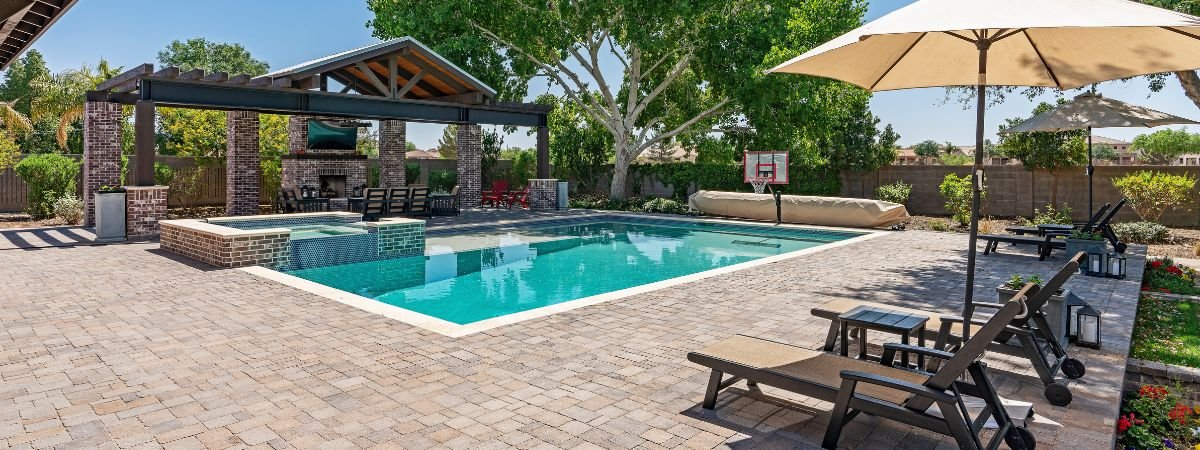
Families often look for pools that are safe, comfortable, and fun for kids.
Zero-Entry Pools for Families
Zero-entry pools are a great option for families with young children. Kids can play safely in the shallow water, and parents can easily supervise them. The gradual slope reduces the risk of sudden slips into deep water.
These pools are also great for pool games, floating, and casual play.
Traditional Pools for Families
Traditional pools are still a solid choice for families, especially those with older children who enjoy swimming and diving. Clear depth changes help kids learn pool rules and boundaries.
With proper safety features like fencing and covers, traditional pools can be just as safe.
Accessibility and Ease of Use
Accessibility is one of the biggest advantages of a zero-entry pool.
Zero-Entry Pools and Accessibility
Zero-entry pools are ideal for seniors, people with limited mobility, or anyone who finds steps difficult to use. The gentle slope makes getting in and out of the pool easier and more comfortable.
This design also works well for multi-generation households where different age groups use the pool.
Traditional Pools and Accessibility
Traditional pools can be made more accessible by adding handrails, pool lifts, or wide steps. While these features help, they are add-ons rather than part of the main design.
Visual Style and Backyard Appeal
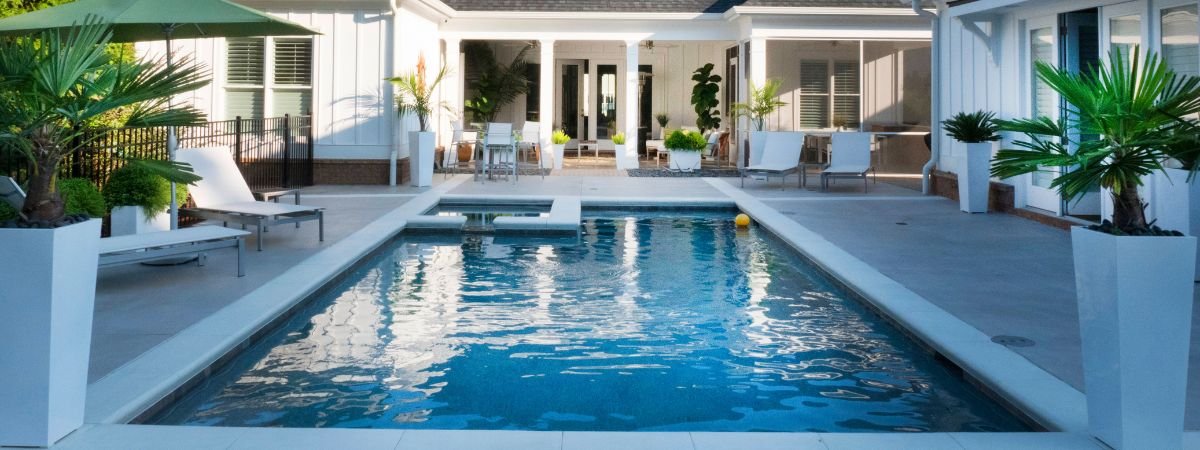
Zero-Entry Pool Look
Zero-entry pools create a relaxed and modern feel. They blend well with natural stone, landscaping, and outdoor seating areas. Many homeowners choose this style to create a resort-like backyard.
The open design makes the pool feel like part of the outdoor living space instead of a separate area.
Traditional Pool Look
Traditional pools offer a clean and timeless appearance. They work well with modern homes, classic designs, and structured outdoor layouts.
If you prefer a neat and organized look, a traditional pool may be the better fit.
Space and Yard Size
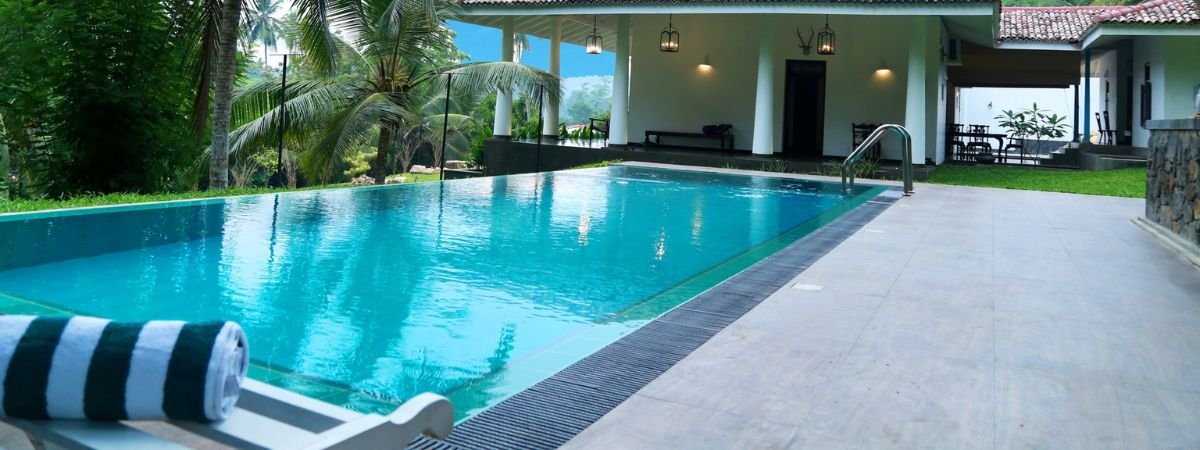
Space Needs for Zero-Entry Pools
Because of the gradual slope, zero-entry pools usually need more space. They work best in larger backyards where the shallow area won’t feel crowded.
Space Needs for Traditional Pools
Traditional pools are more flexible when it comes to space. They can be designed to fit narrow or smaller yards without sacrificing functionality.
Swimming Experience
Zero-Entry Pool Experience
Zero-entry pools are ideal for relaxing, floating, and social gatherings. The shallow areas are perfect for sitting, wading, or playing with kids.
They are not always the best choice for lap swimming because the slope can interrupt long swim paths.
Traditional Pool Experience
Traditional pools are better for swimming laps, water exercise, and active use. The straight edges and consistent depth changes make swimming easier and more efficient.
Cost Differences
Zero-Entry Pool Costs
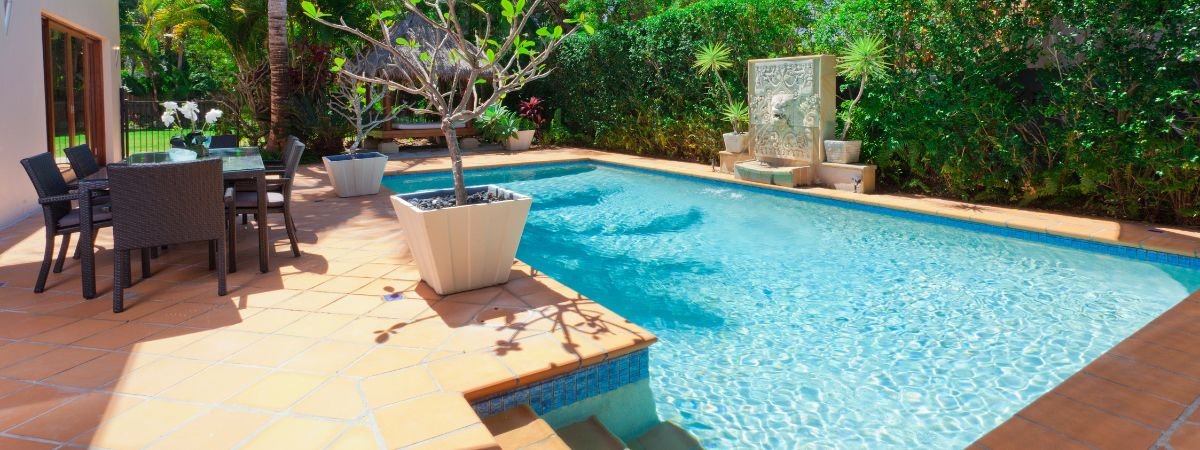
Zero-entry pools usually cost more to build. The reasons include:
- Extra excavation work
- Larger surface area
- More detailed construction
- Custom finishes and landscaping
While the upfront cost may be higher, many homeowners feel the added comfort and design are worth it.
Traditional Pool Costs
Traditional pools are often more affordable. Their simpler design and standard construction methods help keep costs lower.
Costs for both pool types can vary based on size, materials, features, and site conditions.
Safety Considerations
Safety is important for every pool, no matter the style.
Safety Benefits of Zero-Entry Pools
The gentle slope reduces sudden depth changes, making the pool feel safer for kids and beginners. The shallow areas also give swimmers more control.
Safety Features for Traditional Pools
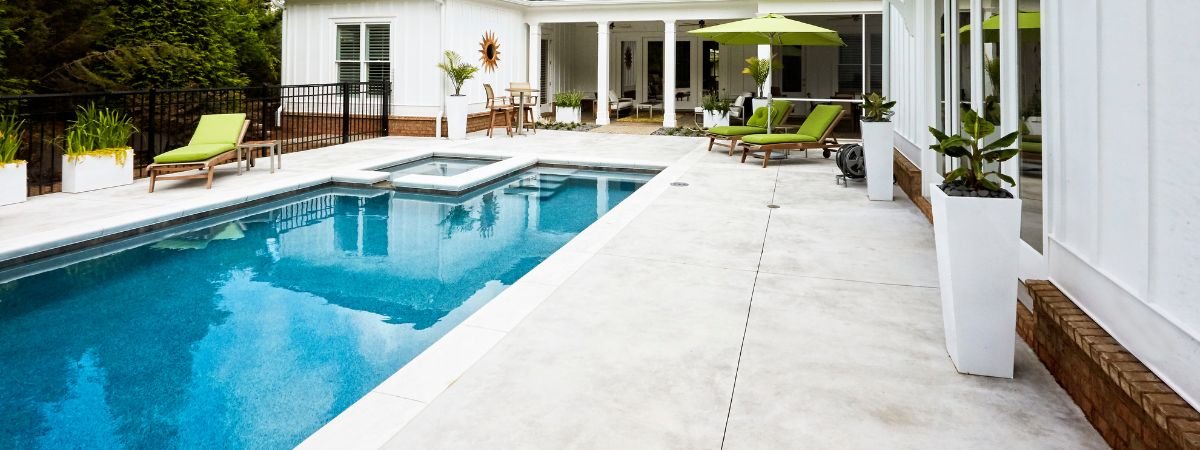
Traditional pools rely on safety steps, handrails, covers, and fencing. With proper planning, they can be just as safe as zero-entry pools.
Maintenance and Cleaning
Both pool types require regular care, including water testing, cleaning, and equipment checks.
Zero-entry pools may need extra attention in shallow areas where debris can collect. Good circulation design helps keep the water clean.
Traditional pools are generally easier to clean because debris collects in deeper areas where skimmers and drains work efficiently.
Resale Value and Long-Term Appeal
A well-built pool can add value to your home.
Zero-entry pools often attract buyers looking for luxury and accessibility. Traditional pools appeal to a wider audience because of their familiar design.
The key to resale value is quality construction and proper maintenance, regardless of pool type.
How to Choose the Right Pool for Your Home
A zero-entry pool may be right for you if:
- You want easy access and comfort
- You have young children or seniors
- You enjoy relaxing and social pool time
- You have enough yard space
A traditional pool may be right for you if:
- You want a more affordable option
- You enjoy swimming and exercise
- You have limited backyard space
- You prefer a classic pool design
Why Choose Gator Pool Services?
At Gator Pool Services, we focus on creating pools that match your lifestyle and property. Our team helps you through every step, from design to installation and ongoing care.
Whether you choose a zero-entry pool or a traditional pool, we make sure it is built with quality, safety, and long-term value in mind.
Get Started with Your Pool Project
Choosing between a zero-entry pool and a traditional pool is an important decision, and having the right guidance makes all the difference. If you’re ready to explore your options or need expert advice, the team at Gator Pool Services is here to help.
For more information or to discuss your pool project, email us at info.example@gmail.com
We look forward to helping you create a backyard pool that fits your home and your lifestyle.