

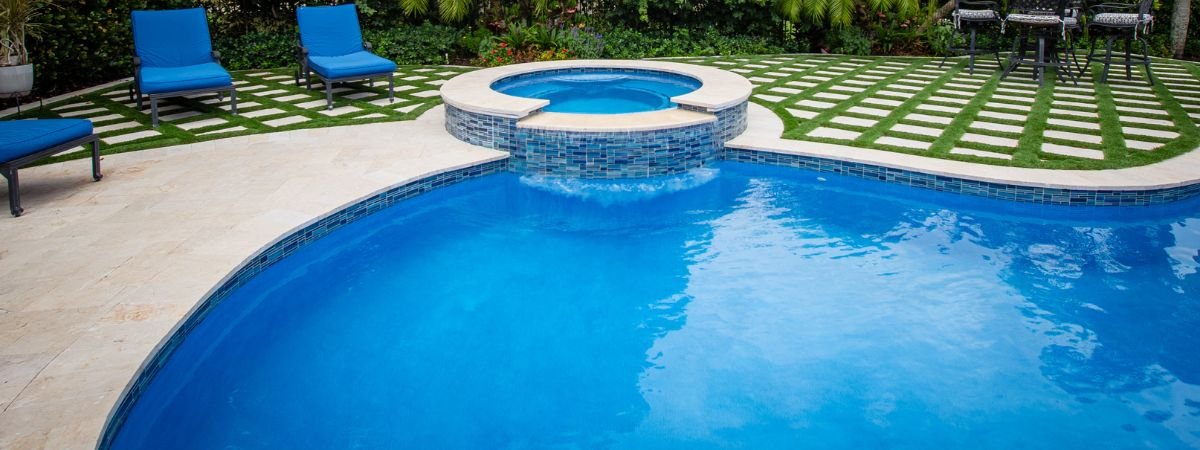
Your pool filter clean your pool every day. It catches dirt, leaves, sunscreen, and other small debris. Over time, that dirt builds up inside the filter. Backwashing cleans the filter.But doing it the wrong way can damage your filter.
Many pool owners make simple backwashing mistakes. These mistakes can lower your water quality, waste water, and even damage costly filter parts. In this guide, we will walk through the seven most common backwashing mistakes and show you how to avoid them. Whether you have a sand filter, a DE filter, or a cartridge system, this guide will help you keep your pool filter healthy for years. If you ever feel unsure about your filter system, a trusted pool service team can always step in and help. These simple tips can help you avoid costly repairs.
Here are the seven mistakes that trip up most pool owners.
Mistake 1: Backwashing Too Often
Some people think backwashing more often keeps the pool cleaner. That is not true. Backwashing too often can actually hurt your filter’s performance.
- Every backwash removes some of the fine dirt settled into the sand or DE.
- This fine dirt actually helps trap even smaller particles in the water.
- Backwashing too soon throws away that helpful layer before it builds up.
- Your filter may not clean the water as well as a result.
Fix: Only backwash when the pressure gauge shows your filter needs it. Do not follow a fixed schedule like every week. Let the pressure guide you instead.
Mistake 2: Ignoring the Pressure Gauge
The pressure gauge shows when the filter needs cleaning. Most filters run at a certain normal pressure, called the clean pressure. As dirt builds up inside, the pressure rises.
- Many pool owners never check the gauge at all.
- Some check it but forget the starting clean pressure number.
- Without that number, it’s hard to know when pressure has risen too high.
- This leads to backwashing too early or too late.
Fix: Write down your filter’s clean starting pressure when it is freshly cleaned. Backwash when the pressure rises 8 to 10 PSI above that number. This is the best sign that your filter truly needs cleaning.
Mistake 3: Wrong Water Level
The water level is important when backwashing. If your pool water is too low during backwashing, your pump can suck in air.
- Low water can cause air lock, stopping your system from working right.
- Air lock can also damage the pump seal over time.
- Water that’s too high can overflow near your equipment pad.
- Overflow can damage the ground or nearby electrical wires.
Fix: Check your water level before you start backwashing. It should sit at the middle of your skimmer opening. This helps your system work properly.
Mistake 4: Skipping the Rinse Cycle
This is one of the most common mistakes. After backwashing, many filters need a short rinse cycle.
- The rinse cycle settles sand or DE media back into place.
- It clears out any last bits of dirty water before it returns to the pool.
- Skipping it sends cloudy, dirty water straight back into your pool.
- It can stir up filter media unevenly, weakening the next filter cycle.
Fix: Always run the rinse cycle after backwashing, usually for about 20 to 30 seconds, before switching back to the filter setting. Check your owner’s manual for the exact time your model needs.
Mistake 5: Valve Change Error
Your filter’s multiport valve controls the direction water flows. Changing this valve while the pump is still running is a mistake many people make without realizing the risk.
- Turning the valve under pressure can damage internal gears and seals.
- Over time, this leads to leaks around the valve body.
- A damaged valve can also get stuck in one position.
- Replacing a multiport valve costs real money and is often avoidable.
Fix: Always turn off your pool pump completely before you touch the valve. Wait a few seconds for the pressure to settle, then switch the valve to backwash mode. Turn the pump back on only after the valve is fully set.
Mistake 6: Old Filter Media
Backwashing helps clean the filter, but the filter media still wears out over time.
- Sand filters usually need new sand every 3 to 5 years.
- DE filters need fresh powder added after every backwash.
- Cartridge filters need a deep clean or replacement on a regular schedule.
- Old sand can clump together and form channels that let dirt pass through.
Fix: Keep track of your filter media’s age. Replace sand or DE powder as recommended by the manufacturer, even if backwashing still seems to work fine.
Mistake 7: Wrong Drainage
This mistake is easy to overlook but can cause big problems. Backwash water carries chlorine, dirt, and sometimes chemicals from your pool.
- Draining onto your lawn can damage grass and plants.
- Draining into storm drains can harm local water systems.
- Some areas have rules against draining backwash water improperly.
- Breaking these rules can lead to fines in certain cities or counties.
Fix: Always drain backwash water into an approved area, such as a sewer cleanout or a spot allowed by your local water authority. Check your city or county rules if you are not sure where backwash water should go.
Backwashing Mistakes and Fixes
| Mistake | What Happens | Simple Fix |
|---|---|---|
| Backwashing too often | Removes helpful trapped dirt, weakens filtering | Backwash only when pressure rises |
| Ignoring the pressure gauge | You miss the right time to clean | Track clean pressure, backwash at +8–10 PSI |
| Wrong water level | Air lock or overflow damage | Keep water at mid-skimmer level |
| Skipping the rinse cycle | Cloudy water returns to pool | Always rinse for 20–30 seconds after backwash |
| Changing valve with pump on | Damaged valve gears and seals | Turn off pump before switching valve |
| Not replacing old filter media | Poor filtering even after backwash | Replace sand/DE on schedule |
| Draining water in the wrong place | Damage to lawn, drains, or local rules broken | Use approved drainage area |
Final Thoughts
Properly backwashing your pool filter is one of the easiest ways to protect your equipment and keep your water crystal clear. By avoiding common pitfalls like backwashing too frequently, ignoring the pressure gauge, or forgetting to turn off the pump before switching the valve you can prevent costly damage to your system’s gears, seals, and plumbing. A little mindfulness during your regular maintenance routine goes a long way toward extending the life of your filter media and ensuring your pool remains a clean, safe haven for swimming all season long.
However, if you ever run into persistent cloudy water, rapid pressure spikes, or unusual noises coming from your equipment pad, it may be time to bring in the experts. Don’t let minor filter glitches turn into major, expensive repairs. Contact us today at Gator Pool Services, and our experienced technicians will thoroughly inspect your filtration system, replace worn-out media, and ensure everything is running at peak efficiency.