

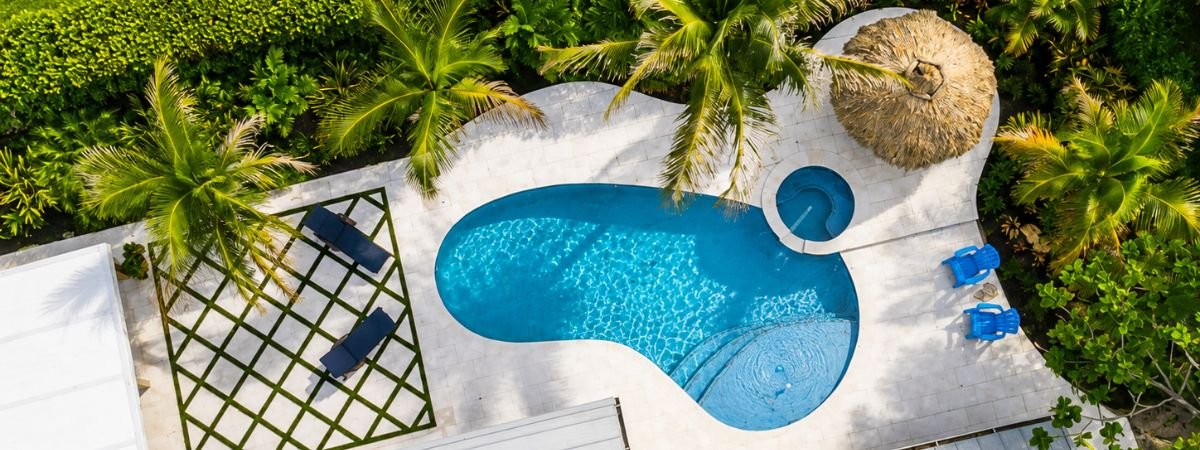
Closing an inground pool for the cold months is one of the most critical tasks for any pool owner. When freezing temperatures arrive, water expands as it turns into ice. If that water gets trapped inside your pipes, pump, or pool walls, it can crack concrete, burst PVC pipes, and destroy expensive equipment. Freeze damage can cost thousands of dollars to repair when spring arrives.
Many pool owners try to rush through the winterization process to save time. Others follow outdated advice or forget small steps that lead to big problems. Avoid these major mistakes when closing your inground pool so you can open a clean, healthy pool come spring.
1. Closing Too Early
One common error is closing the pool while daytime temperatures are still warm. It can be tempting to put the pool cover on as soon as summer ends and the kids go back to school. However, closing too early creates a breeding ground for algae.
Algae (tiny green plant-like organisms) love warm water and sunlight. If you close your pool when the water temperature is still above 65°F (18°C), your winter chemicals will break down very quickly. Without active circulation from your pump, algae will consume all your chlorine in a matter of days. When you open your pool in May or June, you will find a dark green swamp instead of clear water.
- When to close: Wait until the pool water stays consistently below 65°F.
- Why it works: Cold water slows down bacteria and algae growth, allowing your winterizing chemicals to last through the off-season.
2. Skipping Pool Cleaning
Closing a dirty pool only creates more work when you open it in the spring. Dirt, leaves, twigs, insects, and sunscreen oils do not vanish just because the pool is covered. Over the winter, organic debris breaks down into fine silt and stains your pool surface.
Leaves contain tannins, which are natural organic compounds that leave dark brown or yellow stains on plaster and vinyl liners. Furthermore, organic matter consumes the chlorine you added for winter protection. By the time spring arrives, that debris will turn into a thick layer of muck at the bottom of the pool.
Clean Before Closing:
- Skimmer and Pump Baskets: Empty all trapped debris.
- Pool walls and floor: Brush the walls to loosen algae spores and vacuum the floor completely.
- Waterline: Wipe down the tile or vinyl at the water level to remove grease and scum lines.
Taking two hours to clean the pool in the fall saves you dozens of hours of scrubbing and chemical treatment in the spring.
3. Poor Water Balance
Some pool owners think that because nobody is swimming, water balance does not matter during the winter. Water chemistry is just as important during winter because the water sits still for months.
If your pH or total alkalinity is too low, the water becomes acidic. Acidic water strips minerals from plaster, etches concrete, and corrodes metal components inside your heater and pump. On the other hand, if your pH is too high, minerals separate from the water and form hard, crusty scale deposits on your pool walls and tile lines.
Water Chemistry Guide:
| Chemical Parameter | Ideal Range | What Happens If It Is Off |
|---|---|---|
| pH | 7.2 – 7.6 | Low pH causes pipe corrosion; high pH causes scaling deposits. |
| Total Alkalinity | 80 – 120 ppm | Unstable alkalinity causes drastic pH swings. |
| Calcium Hardness |
175 – 225 ppm (vinyl/fiberglass) 200 – 275 ppm (concrete/plaster) |
Low calcium leaches minerals from plaster; high calcium clouds water. |
| Chlorine / Shock | 1.0 – 3.0 ppm | Low chlorine lets algae bloom under the cover. |
Always balance your pH, total alkalinity, and calcium hardness before adding your winter shock kit. Shock your pool at least 24 to 48 hours before adding winter algaecide. Adding chlorine shock and algaecide at the same time can destroy the algaecide, rendering both treatments ineffective.
4. Lowering Water Too Much
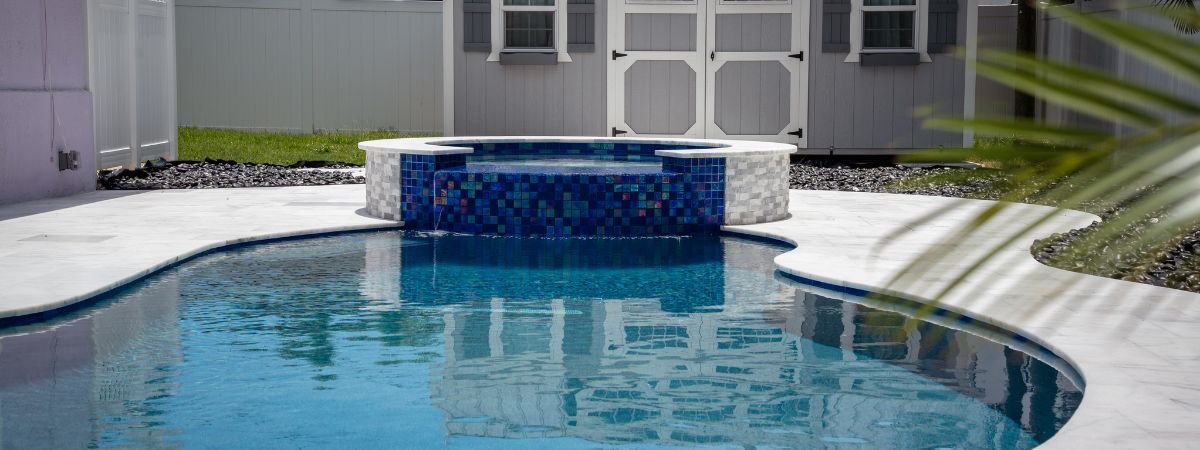
When preparing an inground pool for winter, you must lower the water level below the skimmer openings. This prevents water from freezing inside the skimmer box and cracking the plastic housing. However, lowering the water level too far is a dangerous mistake.
The water inside your pool helps support the pool structure against the surrounding soil. During wet winter months, ground water levels rise. If your pool is empty or missing too much water, the high pressure from the surrounding ground can cause the entire pool structure to shift, crack, or float out of the ground. This phenomenon, known as pool popping, destroys the pool completely.
Proper Water Level:
- Standard Tarp Winter Covers: Lower water 3 to 4 inches below the skimmer box.
- Mesh safety covers: Lower water 12 to 18 inches below the skimmer box, because rain and melted snow will drain through the mesh into the pool during winter.
- Solid safety covers: Lower water 3 to 5 inches below the skimmer or tile line.
Never drain an inground pool completely unless a licensed pool professional is performing a structural repair.
5. Skipping Plumbing Protection
Leaving water inside underground pipes is the single most destructive mistake a pool owner can make. Water expands by about 9% when it freezes. That expansion generates thousands of pounds of pressure per square inch, which easily splits PVC pipes buried several feet underground. Repairing a subterranean pipe leak requires jackhammering through concrete decking, costing thousands of dollars.
Blowing out the lines means using a high-volume air blower or shop vacuum to push every drop of water out of the skimmer lines, main drain lines, and return jets.
Protect Plumbing Lines:
- Blow air through the lines: Attach an air blower to your equipment pad and force air through each plumbing line until you see air bubbling out from the returns and skimmers in the pool.
- Plug the fittings: While air is actively blowing out water, insert heavy-duty rubber freeze plugs or threaded plugs with O-rings into the return jets and skimmer bottom holes.
- Use a Gizzmo in the Skimmer: A Gizzmo is a hollow plastic tube that screws into the bottom of your skimmer. If water accumulates in the skimmer box and freezes, the ice crushes the hollow tube instead of cracking the rigid plastic skimmer walls.
- Add pool antifreeze: Pour non-toxic pool antifreeze (propylene glycol) into the plumbing lines before plugging them. Never use automotive antifreeze (ethylene glycol), which is toxic and damages pool equipment.
6. Using the Wrong Pool Cover
A pool cover keeps leaves, dirt, and animals out of your pool while protecting the liner from harsh winter weather. Using a worn-out cover or securing it improperly creates serious safety hazards and expensive pool damage.
Common cover errors to avoid:
- Using Bricks to Secure Your Pool Cover: Heavy concrete blocks can slip into the pool, tearing the vinyl liner or cracking the plaster floor. Always use vinyl water bags designed specifically for pool tarps.
- Overfilling Water Bags: Fill water bags only 80% full. When the water inside the bag freezes, it needs space to expand. Completely full water bags will burst when frozen.
- Ignoring safety cover tension: If you use a spring-anchored mesh or solid safety cover, check that the springs are compressed about halfway. A sagging cover allows leaves and debris to collect in the center, causing the straps to snap under heavy snow loads.
7. Leaving Equipment Unprotected
Your pump, filter, heater, and chlorinator contain internal chambers that hold water. If you forget to drain these components, ice will crack pump housings, break filter tanks, and ruin copper heater coils.
Protect Pool Equipment:
- Remove drain plugs: Locate all drain plugs on the bottom of the pump pot, filter tank, heater header, and automatic chlorinator. Unscrew the plugs and let all water drain out completely.
- Store drain plugs safely: Store the removed plugs inside the pump basket so you do not lose them over the winter.
- Set Valves the Right Way: Turn multiport valves to the Winterize or Closed position to relieve pressure on internal rubber gaskets.
- Disconnect electrical power: Shut off the main circuit breakers supplying power to the pool equipment so pumps cannot accidentally turn on while dry.
- Remove pool accessories: Remove all ladders, handrails, skimmer baskets, solar covers, and automatic pool cleaners. Store them indoors or in a dry shed. Leaving metal ladders in the pool all winter causes rust and stains on pool walls.
8. Ignoring Winter Checks
Closing your pool does not mean you can forget about it until warm weather returns. Heavy snow, rain storms, and freezing temperatures affect your pool throughout the off-season. Checking on your pool once or twice a month prevents minor issues from becoming major disasters.
Winter Pool Checks:
- Pump water off solid covers: If you have a solid cover, rain and melting snow accumulate on top. Excessive weight pulls the cover into the pool or tears the anchor straps. Use a submersible cover pump to drain standing water regularly.
- Clear debris from the cover: Remove accumulated leaves and twigs with a soft pool brush or leaf rake.
- Monitor pool water levels: Inspect the water level under the cover after heavy rain or snow melts to make sure the pool is not overflowing or leaking.
- Check Chemicals Mid-Winter: For mesh covers that let rain pass through, check the water mid-winter and add a bottle of liquid chlorine or algaecide to prevent early spring algae growth.
Conclusion
Winterizing an inground pool takes careful planning, balanced water chemistry, and the right equipment to help prevent freeze damage. While handling the pool closing yourself might seem like a way to save money, skipping crucial steps or making minor mistakes can easily result in thousands of dollars in repairs come springtime. Taking the time to winterize your pool correctly helps protect your pipes, equipment, and pool structure throughout the winter.
If you want complete peace of mind and a stress-free pool closing, let the experienced professionals handle the job. Feel free to Contact Us at Gator Pool Services today to schedule your seasonal pool closing. Our expert technicians will ensure your plumbing lines are thoroughly blown out, your chemicals are perfectly balanced, and your equipment is fully protected all winter long.