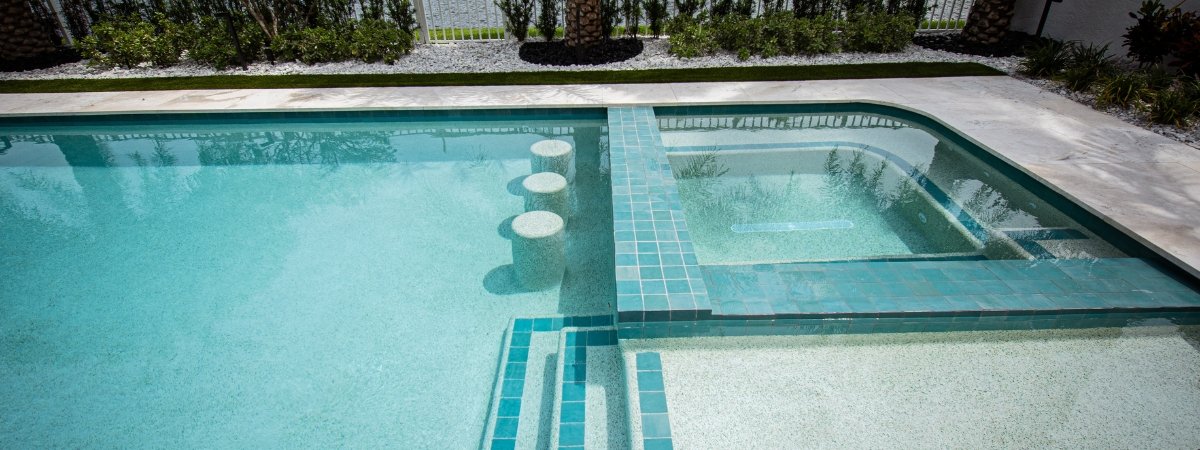
Operating a swimming pool is something that requires routine attention. The owners have to control water quality, adjust the chemical balance, clean the pool, and maintain all pieces of equipment. Such activities can be quite time-consuming, especially for people with many responsibilities. However, thanks to smart technologies, controlling pools becomes more convenient since they allow managing different aspects of owning pools via smartphone.
One of the examples of such management of swimming pools is Pool Automation. It involves using connected sensors and automated controls in order to carry out various tasks regarding a pool. This technology allows managing all kinds of pool equipment by means of an app or a smart control system rather than doing everything manually.
What is more, smart pool technology allows monitoring the performance of pool equipment even if one does not spend much time around his/her pool. In other words, one can check settings, get notifications, and even change something regarding the operation of the equipment while being somewhere else. Understanding the principles of such technologies can help one decide whether it is worth adding them to one’s swimming pool.
What Is Smart Pool Automation?
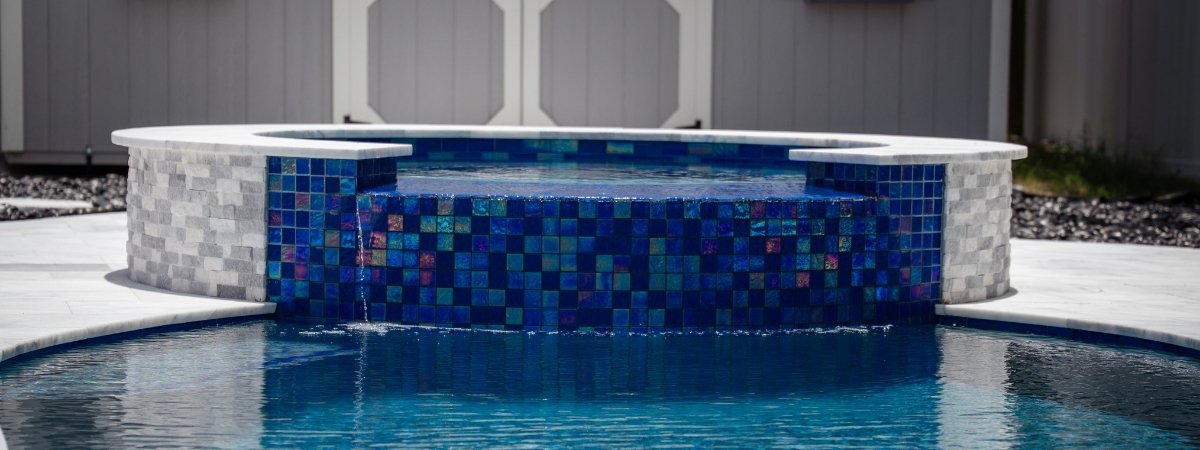
Smart Pool Automation involves linking swimming pool machinery to a central controlling unit or app. Smart pools enable individuals to control several operations from one central point. The various components controlled by smart pool systems include pumps, heaters, lights, water features, and cleaning tools.
Ordinary swimming pool machines involve manual operation for several functions. An individual can be required to switch on/off the machine, regulate the water heater temperature and even control pool lights individually. However, smart pools simplify such tasks.
Additionally, some smart pools have sensor technologies which allow them to collect data on the water temperatures, chemical composition, and machinery operation. Such information enables the pool owner to know what is going on in the swimming pool.
How Does Connected Pool Technology Work?
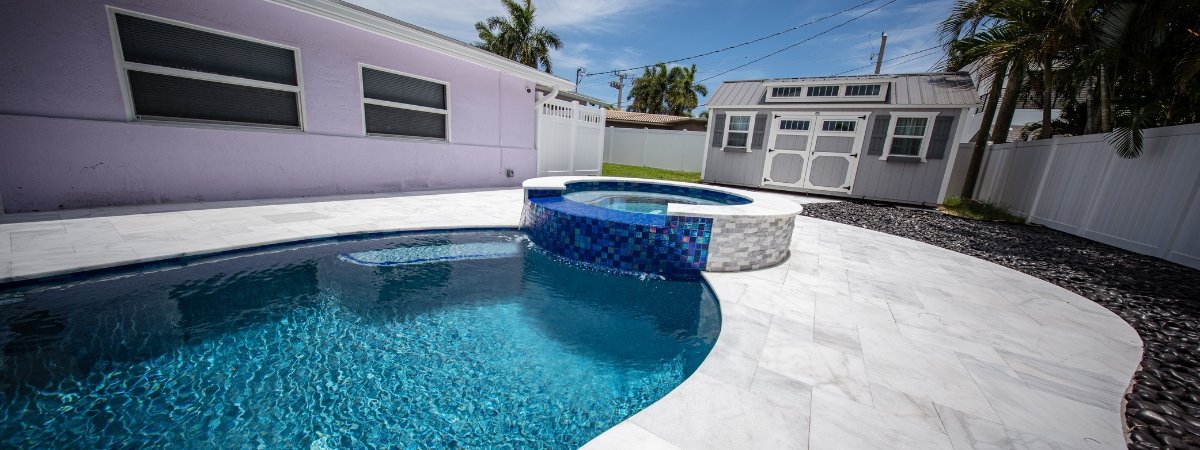
The intelligent pool systems consist of various combinations of hardware, software, sensors and internet connection. The central controller is connected to all compatible equipment and lets you control the system through your smartphone, tablet or control panel.
If the owner makes any changes in the application, the signal goes to the controller that sends it to the connected equipment. For instance, you can change your pump schedule or activate your lights without switching anything manually.
Smart Controllers
The smart controller can be considered as the key element of the pool system since it is responsible for connecting equipment and coordinating its operation according to selected settings.
The owner can use it to regulate pump schedules, heating systems, lights, and other compatible equipment. Some systems offer the ability to make an automatic schedule of equipment operation according to your routine.
Sensors & Monitoring Devices
The sensors provide valuable data related to conditions of the pool. This may vary depending on the type of devices used and may involve such factors as water temperature, chemistry, flow, etc.
This data may be presented on a screen through a special application or control panel. In case if the value goes outside of the required limits, some devices provide alerts in order for the owners to know about it.
Mobile App Compatibility
Mobile apps simplify working with the connected pool devices. They allow checking the settings and controlling the devices that work with this technology.
For instance, one who comes back home from work may turn on pool lights or change the heating schedule before coming there. It all depends on the devices.
Key Features That Make Pool Care Easier
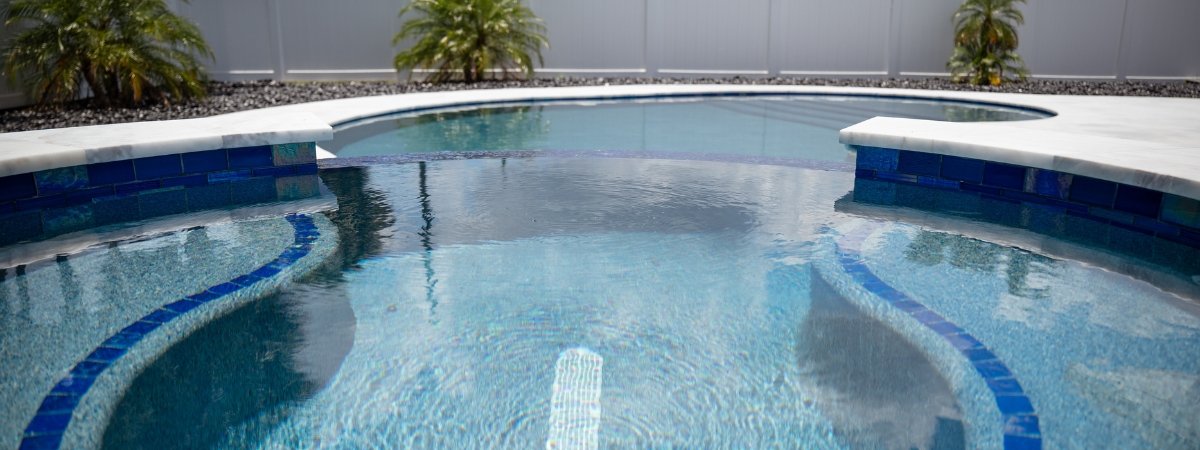
Smart technology may be able to assist with multiple aspects of routine pool maintenance. The availability of each specific aspect depends on the installed automation system and equipment it works with.
1. Scheduling the Operation of Pool Pumps
Pump is necessary for the circulation of water via the filtration system. Correct scheduling of its operation ensures water circulation and filtration.
With the automated system in place, users can choose operation times for the pool pumps instead of operating them manually. In addition, some advanced systems allow varying the speed of the pool pump, which may result in energy saving if set correctly.
2. Remote Setting of the Preferred Temperature
Pool heaters can be managed remotely via connected devices. Users will be able to change the settings of the compatible heaters via mobile device and set desired temperature.
Such an option is especially helpful when the pool heater needs to be used only occasionally. Instead of working continuously, the pool heater operation can be planned in accordance with the swimming schedule of the user.
3. Smart Pool Lighting
Automated lighting systems provide users with the option to control the lighting system using a central controller or even an app on their phone. The lights can be turned on/off, brightness and colour settings modified depending on the features of the specific lighting system.
Scheduled lights are another option which will ensure that the lights work at chosen times. It is useful for evening pool time and outdoor lighting.
4. Water Quality Control
Balanced water in a pool is very important in pool management. There are some sensors which record the pool water chemistry such as pH balance and sanitizers’ levels.
This information can help to understand when the testing of the water or chemical adjustments are needed. However, there are some automatic systems which do not have the function of water chemistry tracking.
5. Automatic Cleaning Assistance
Some automated pool cleaning devices permit the users to set up cleaning routines for their robots or schedule the operation of their cleaning units.
Automatic cleaning can be useful for cleaning up debris on the surface of the swimming pool. But, automatic cleaning cannot replace routine inspections and maintenance.
Benefits of Using Smart Pool Automation
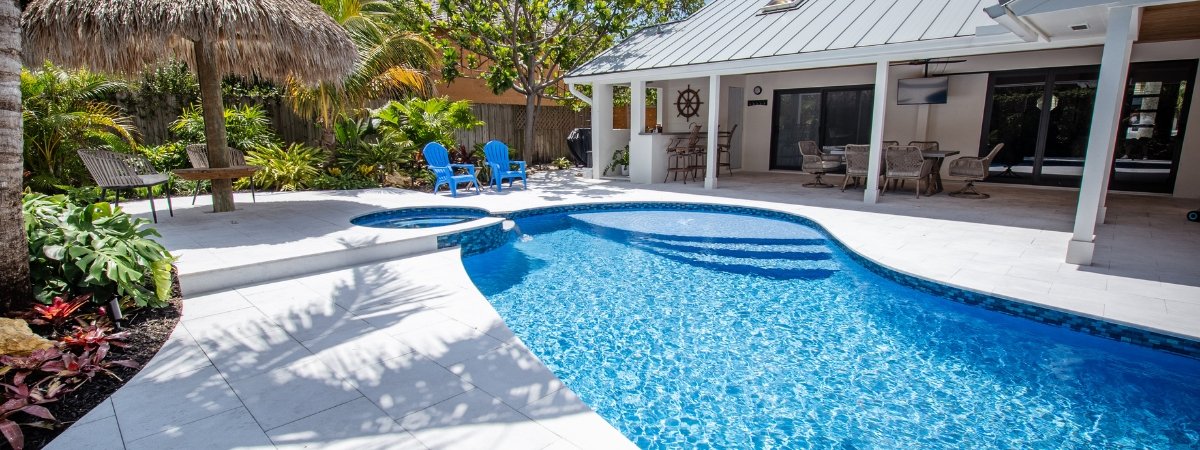
The advanced technology does not only provide the capability of remote access but it can also ease some other day-to-day activities besides helping the owners to control the pool equipment.
Saves Time during the Pool Management
Convenience is one of the benefits that come with using this technology. This is because the owners will be able to control several aspects by using one control system.
Using automatic schedules will save the owners time from having to remember when to switch the pool lights, heating system and the pumps on.
Helping Manage Energy Consumption
Pool pumps and heaters consume a large amount of energy. Advanced controls will assist the owners to schedule the equipment as per the needs of the pool.
For instance, a variable speed pool pump will help in saving electricity by running at slower speeds for a longer period when applicable in terms of filtration of the pool. This will assist in saving electricity when compared to high-speed operation which may not be appropriate.
Makes Pool Monitoring Easier
Through connectivity, owners can monitor chosen aspects of the pool while away from it. Depending on the system used, they will get updates regarding the temperature, water level, and other related equipment.
This makes it easy for them to know when there is anything to take care of. But, the alerts should not be used as an alternative to pool inspection.
Gives Better Control of the Pool Devices
With many devices connected to one controller, the owners can control them centrally. This makes it easy to manage the scheduling of the pumps, lights, heating, and water elements.
This helps them know better how their pool devices are working.
Manual Pool Management vs Smart Pool Automation
Both manual and automated systems can support proper pool care. The main difference is how much control and monitoring are handled automatically.
| Pool Care Task | Manual Management | Smart Pool Automation |
|---|---|---|
| Pump operation | Switched on and off manually | Scheduled through a compatible controller |
| Temperature control | Adjusted at the heater | Managed through an app or controller |
| Pool lighting | Operated using manual switches | Controlled remotely or by schedules |
| Water monitoring | Requires manual testing | Some systems provide sensor readings |
| Cleaning equipment | Started manually | Compatible cleaners may support scheduled cycles |
| Equipment alerts | Requires regular inspection | Some systems send automatic notifications |
Is Smart Pool Automation Suitable for Every Swimming Pool?
While smart technology can be beneficial in many cases when it comes to residential swimming pools, there will be no need for all the homeowners to have exactly the same kind of system.
Depending on the type of the pool and its equipment, owners might only need smart scheduling of pump functions and lighting. In case the pool is bigger, the owner might want a more complicated system that would include management of heating, water features, and compatible cleaning devices.
In any case, it is vital to make sure that all the equipment will work with a chosen controller. Some pumps, heaters and lights installed long ago might require installation of additional equipment.
Another thing that has to be considered is quality of the internet connection, user-friendly apps and system maintenance.
Important Things to Consider Before Installing a Smart Pool System
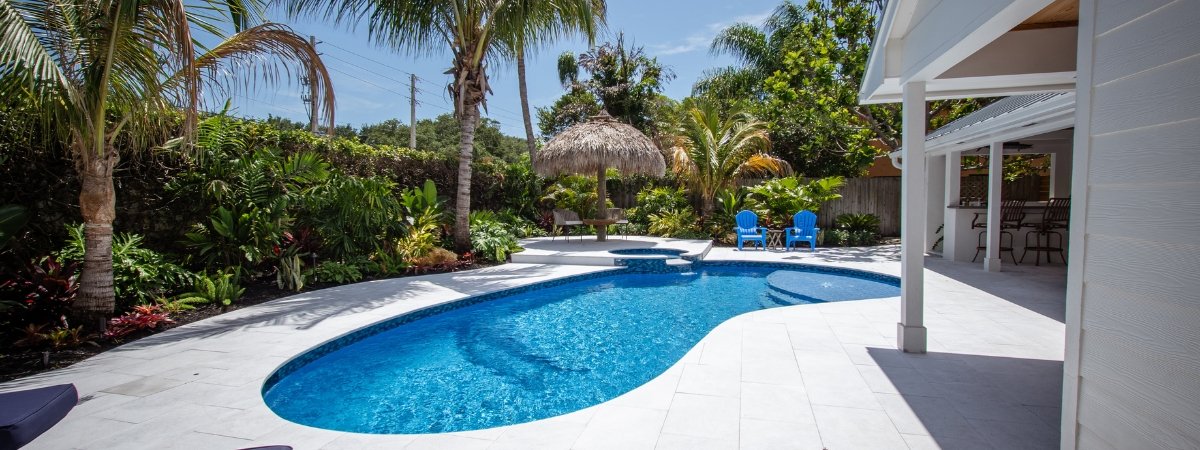
Selection of the correct automation system may determine its efficiency in the long run. Slight prior research before installation will help to prevent any possible problems and save money.
Ensure Equipment Compatibility
It is important to understand that not all pool equipment can be used with all automation systems. Make sure that the pump, heater, lighting system, and other equipment can work with the chosen automation controller.
Identify the Required Functions
Some of the automation systems provide simple remote controls, while others feature advanced schedule and monitoring functions. It is recommended to choose only the needed features instead of paying for unnecessary ones.
Think About Installation Needs
While some systems do not require anything more than basic installation, others may need electrical work, wiring, or upgrading of the hardware. A professional can assess your needs and assist in choosing the right equipment.
Update Your Software and Devices Regularly
Devices connected to a computer system may get software updates that make it more efficient and secure. The owner is advised to stick to manufacturer’s guidelines, secure the accounts with strong passwords, and keep applications up-to-date.
Conclusion
Pool automation has made it easier for homeowners to keep an eye on their pools thanks to innovations such as auto scheduling of pumps, remote temperature control, automated lighting, and automated water management, among others. The smart technology offers greater control and more efficient use of pool-related equipment.
The smart technology only works effectively when used in combination with proper cleaning, water analysis, and maintenance of equipment. Matching of equipment and proper installation of systems is another essential factor to consider.
Gator Pool Services provides swimming pool solutions for homeowners who want to enhance their pool maintenance. Find out about the various pool care and maintenance services provided by Gator Pool Services.