

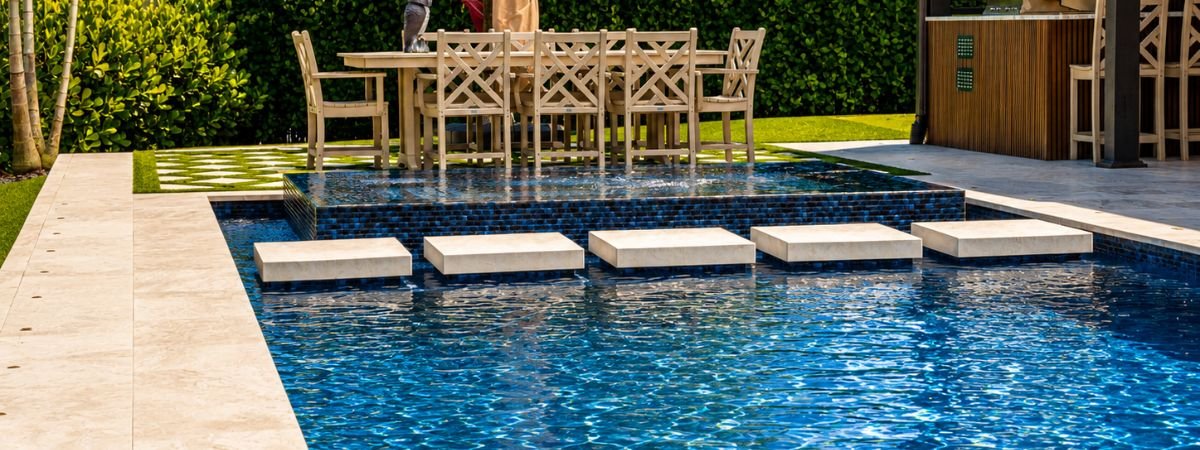
Have you ever looked at your pool and decided it was high time you did something about changing its appearance? Well, if the existing surface seems too dull, worn out or simply does not fit into the overall design of your property, then updating your pool might be just what you need.
The great thing about Pool Resurfacing is that homeowners get an opportunity to change the color of their pool. You do not have to stick to the finish and color you had before – there are many other options for you to pick.
Pool resurfacing is not just about covering up the worn out surface. In addition, resurfacing can make your pool look fresh and improve its general appearance. Various colors from light blue and white to dark blue and gray can be used as finishes for your pool.
It would be great if you knew more about pool surface colors, available options and factors that influence the end result.
Can You Change Your Pool's Surface Color During Resurfacing?
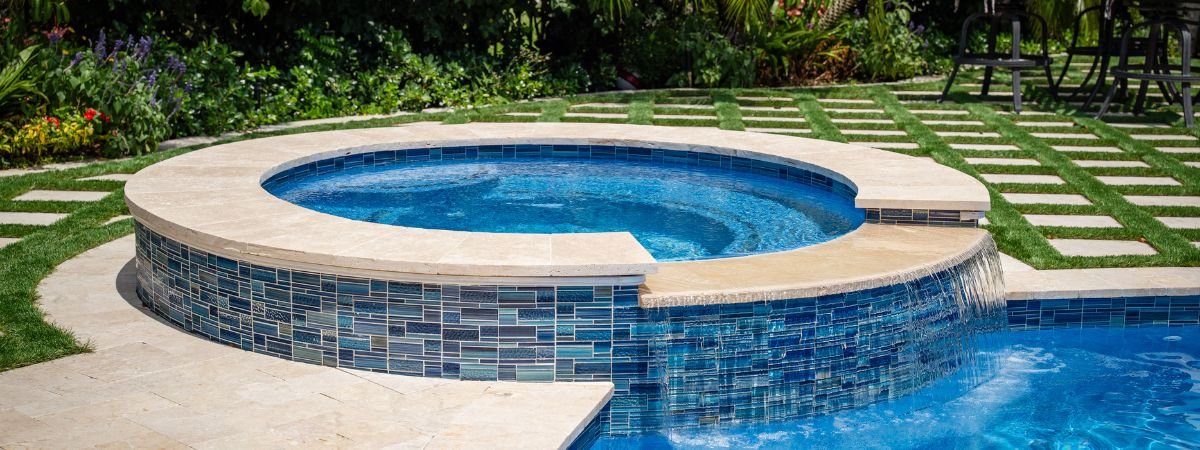
Yes, you can paint your pool differently when doing the resurfacing. This is actually one of the best chances to repaint your pool without making any structural changes.
During resurfacing of the pool, the old or damaged interior surface is stripped or made ready according to the chosen method of resurfacing, and the new surface is put up. At this point, the pool owners have an opportunity to repaint the pool.
If for instance, the surface of your pool is light blue now, then the options are to make it a deeper blue, white, gray, or some other shade. However, it should be noted that the end result can differ from the sample due to many reasons, including the depth of the water in your pool, sunlight, etc.
Why Consider Changing Your Pool's Color During Resurfacing?
Painting your pool is a very easy way of rejuvenating your outdoor setting. It is also logical to choose a new look considering the fact that you have to replace the old surface.
Give Your Pool a New Look
With time, the surface of pools can become faded, stained, rough or discolored. This might cause even the cleanest pool to appear old.
The choice of a new color will give your pool a new, fresh look regardless of whether you want to go for a brighter shade or a natural one.
Match Your Backyard Design
Your swimming pool plays a vital role in making up your outdoor living space. Its color must blend well with other features of your patio, landscape, furniture and exterior of your home.
For instance, a light blue color will blend in well with a brightly colored backyard with white decks, whereas a gray or dark blue color would match modern backyard designs.
Select a Style According to Your Choice
The trends for pool designs and your choices may also change after some time. You might desire a totally different look from what you have chosen before.
Through pool resurfacing, you get an opportunity to try out various styles for your swimming pool.
What Pool Surface Colors Can You Choose?
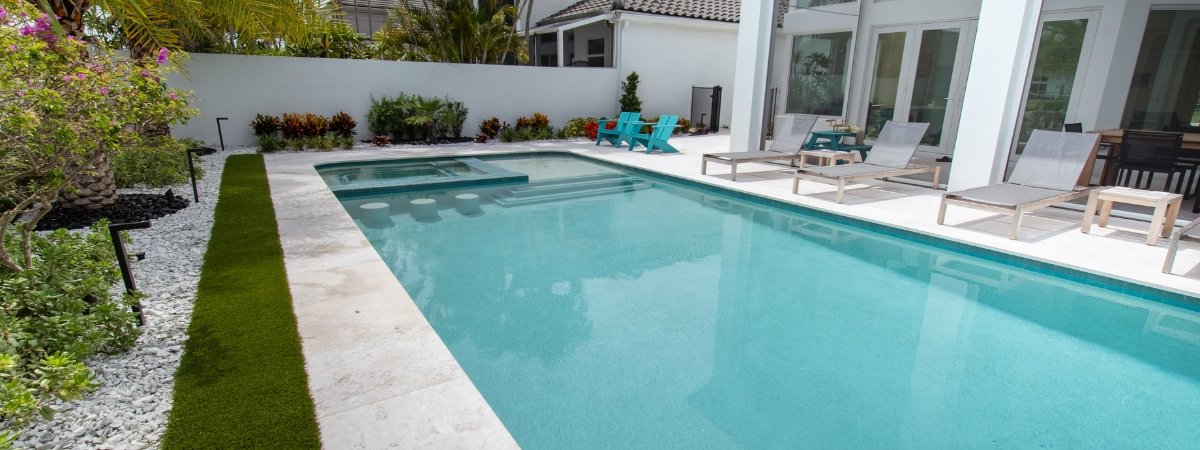
There are numerous colors which can be chosen for swimming pool surfaces, with each color giving a distinct look, especially when sunlight reflects on the water.
The following are the most common colors.
Light Blue
Light blue can be considered as one of the most popular colors among owners who want their swimming pool to look fresh and clean. This color gives a bright water color that enhances the look of space when used in sunlight.
Light blue can be used well in classic swimming pools, light-colored deck styles, and tropical scenery. It can also help in making the smaller pools look larger.
Dark Blue
Dark blue swimming pool finishes create a deep and rich water look. Those homeowners can choose dark blue colors who prefer their swimming pools to look different.
Depending on the lighting and the material of the swimming pool, dark blue finishes can make water look deep blue or even navy.
White
The white pool finish lends a clean and bright look. Depending on lighting conditions, the water can appear light blue or aqua.
The option is suitable for minimalist and modern pool designs. However, a light-colored finish may reveal dirt and stains.
Gray
Gray is an option for homeowners who want a modern and natural look. Depending on the shade, it can give the water a cool bluish silver appearance.
Gray finishes can match with stone decks, concrete patios, or modern styles of the outdoors.
Green and Natural Shades
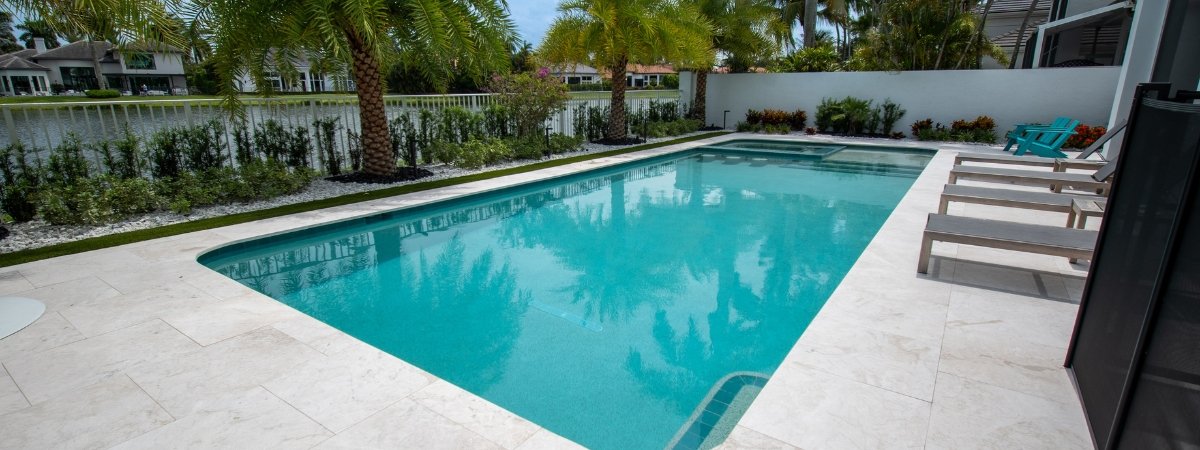
Some finishes are green or natural in color; this is how the natural look is achieved. It creates the lagoon-like appearance of water.
These colors fit the pools that are surrounded with tropical plants or natural stone.
Popular Pool Surface Colors Compared
The following table explains how different colors can affect the overall appearance of your swimming pool.
| Pool Surface Color | Water Appearance | Suitable Design |
|---|---|---|
| Light Blue | Bright blue or aqua | Traditional and tropical |
| Dark Blue | Deep blue | Modern and elegant |
| White | Light blue or aqua | Clean and simple |
| Gray | Soft blue or silver | Contemporary |
| Green | Natural or lagoon-like | Tropical and natural |
What Factors Affect the Final Pool Color?
Choosing surface colour is not simply about picking a hue from the swatch book. Several conditions may cause the pool to look different when it is filled up with water.
Pool Depth
Water depth is among the factors that can influence how your chosen colour scheme will be perceived. Some shallow areas may look lighter than others that are deeper in the water.
For example, a light blue finish would appear bright in shallow water but seem darker blue in the deeper areas.
Sunlight and Weather
The natural sunlight is an important element in pool colour perception. A pool exposed to direct sunlight tends to look brighter than one that is in the shade.
Cloudy weather and varying light conditions also play a major part in how the pool surface colour appears during the day.
Pool Lighting
When the sun goes down, underwater lighting can alter the look of your pool. White lighting may show off the true color of the surface finish. Meanwhile, colorful LED lights might bring about different visual effects.
If you have pool lighting or are considering installing it, bear in mind how it will suit the color you’ve selected for the surface.
Surface Material
The resurfacing material also plays a role, as various resurfacing options offer different textures, patterns, and colors.
For instance, plaster finishes can look vastly different from quartz or pebble finishes despite your choice of the same color.
Which Pool Resurfacing Material Offers More Color Options?
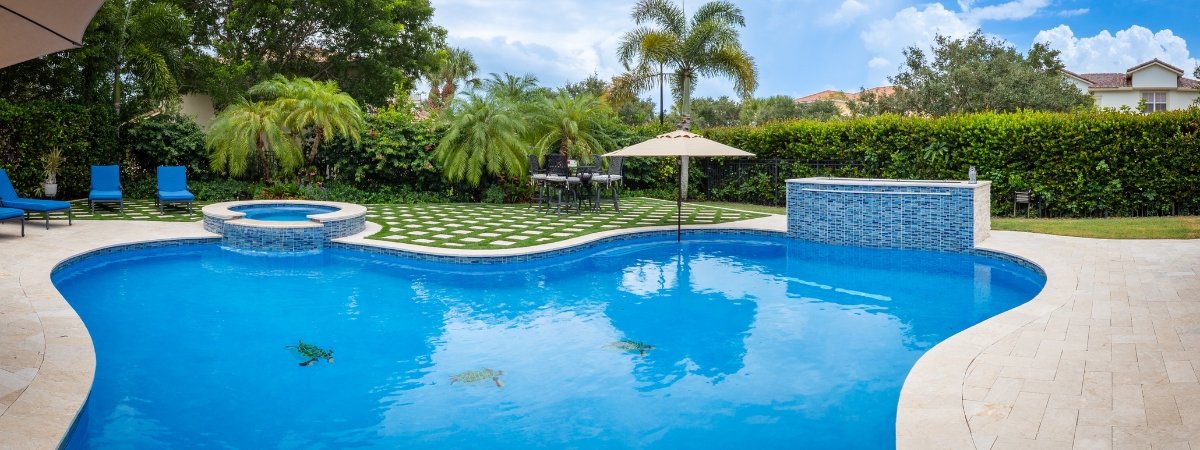
The materials that you use for your pool can have an impact on what colors can be used and how the pool will look. Different materials have different looks, textures, and maintenance procedures.
Classic Plaster
Classic plaster is one of the most used pool finishes. It is available in many colors which include mostly white and blue.
White plaster almost always gives the water a perfect blue color, and while colored plaster brings different shades to the water, it also provides a smooth and simple appearance.
Quartz Finish
Quartz finishes are made by mixing quartz particles with pool finish materials. It comes in various colors and creates a somewhat textured look.
This option gives homeowners the chance to choose from various colors and bring some design choices to their pool surfaces.
Pebble Finish
Pebble finishes are produced using natural small stones or similar materials. It is available in several color combinations including blue, gray, green, and some earth colors.
This finish can provide a natural color to your water and also bring some visuals to your pool.
The cost of the materials is the primary factor that should determine your choice of materials.
Things to Consider Before Changing Your Pool's Surface Color
Before you start to resurface your pool, take some time to compare different types of finishes and understand what each one offers.
To begin, think about the aesthetic you want your pool to achieve. Would you like the water to look bright blue, deep blue, or a natural lagoon style? Having a definite idea will make your options easier to narrow down.
Next, consider your outdoor surroundings. The finish of the pool should go well with the home’s exterior as well as the patio, tiles, and landscaping.
You should check the samples before choosing the color. A sample that from the same material may not look the same when it is used in the whole construction. Ask the contractor to provide you with some pictures of previous use of the materials you are considering.
Finally, think of maintenance needs. Some finishes show stains, mineral deposits, or problems with water chemistry more than others do. Proper water balance as well as regular cleaning will be important for keeping your pool finish looking good.
Does Changing Your Pool's Color Increase Resurfacing Costs?
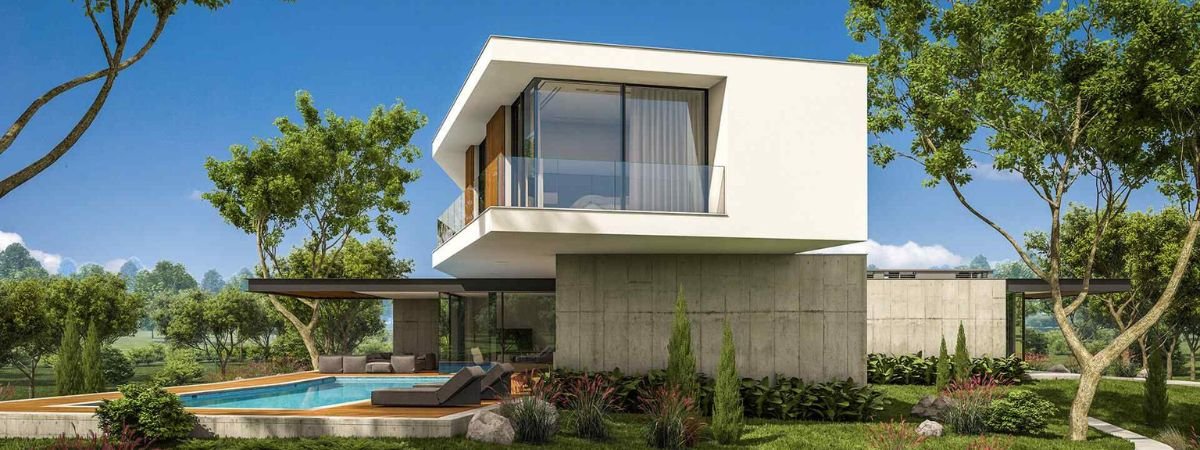
Altering the color of a swimming pool surface does not necessarily entail a substantial increase in expenses. The cost depends significantly on the resurfacing product, the size of the swimming pool, the state of the old surface, and the required works.
For instance, when a different color is selected within the same standard plaster group, it may not affect the final cost too much. On the contrary, when decorative quartz or pebble finish is chosen, the cost is likely to be higher than when simple plaster is used.
The price can change too in a case when the current surface is to be repaired or prepared before its new covering is put in place.
It is advisable to get an estimate that will cover everything, including the pricing for the resurfacing material and labor as well as surface preparation so that the preparation of pool resurfacing may be easier.
How to Maintain Your Pool's New Surface Color
When pool resurfacing has been taken care of, proper maintenance will help keep your pool in great shape.
One of the first steps of the successful maintenance program is the balanced pool water chemistry. Do not forget about correct pH levels, calcium hardness figures and amount of sanitary agents, which can be the causes of staining and damaging of the surface of the pool.
At the same time, regular cleaning helps keep the dirt and debris away from the pool surface, as it is recommended to clean the walls and floor of the pool according to the type of surface used for the pool.
Moreover, avoid putting chemicals directly onto the pool surface, as they can cause stains. Just follow the instructions provided with the chemicals and recommendations of the specialist before the beginning of the operating use of the pool.
Make sure that you have strictly adhered to the curing and filling instructions after resurfacing.
Conclusion
It is indeed possible to choose the color of your swimming pool surface when doing resurfacing work on your swimming pool. Therefore, this is an ideal time to give your pool a unique look that complements the rest of your outdoor area. You can use light blue, dark blue, white, gray, or natural colors, and you will be surprised how much difference the correct finish can make.
Before selecting a finish color, you need to think about how deep your pool is, how much sunlight hits it, what type of lighting you have, what type of finish you will use, and what your maintenance will be. Also, do not hesitate to compare samples to make the most suitable decision.
If your pool surface looks faded, old or damaged, Gator Pool Services will find the best solution for you. They are there to perform pool maintenance and resurfacing work. Find out more information about their services.