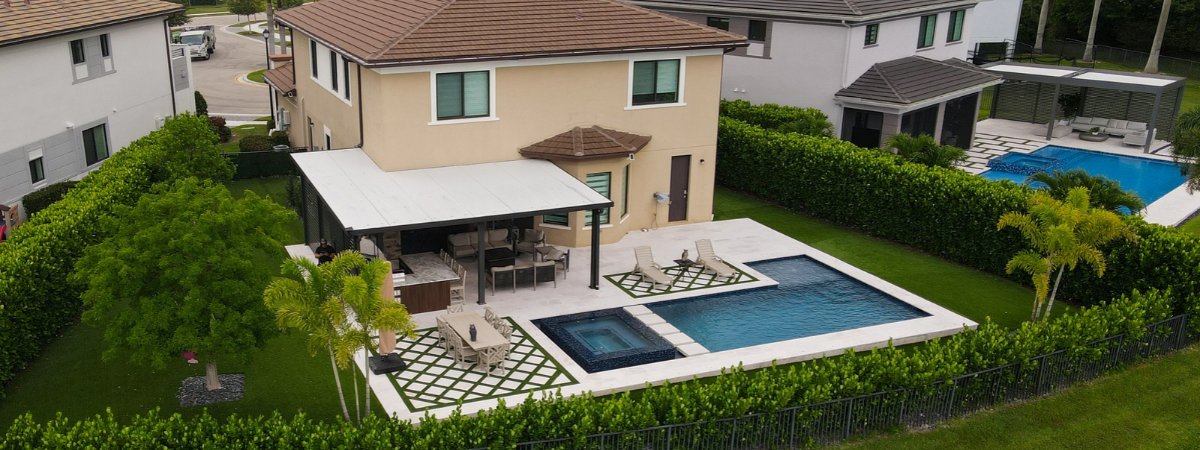
It is not uncommon for a green pool to pose an annoying issue for many pool owners. What was supposed to be a refreshing swim turns into a disappointing experience because of dirty green water, algae growth, and debris floating in the water. It all comes down to having an improper chemical balance or filter system of the pool water.
Fortunately, the pool water can be made much better in just 24 hours through proper cleaning procedures. Yet, it will take some time depending on how much the pool is contaminated, what amount of algae there is, and the state of the filter system.
Cleaning the green pool is not as easy as adding chlorine to the water; it requires the removal of the dirt, scrubbing the surfaces, testing the water, using appropriate chemicals, and maintaining the filtering system.
Why Does a Swimming Pool Turn Green?
It is necessary to know why the pool water turns a different color before you start the cleaning process. Green-colored pool water results from algae. Algae are microscopic organisms which thrive when there are no sanitizers present in the pool water.
When the chlorine level is low, algae tend to bloom throughout the pool. As a result, it makes the pool water appear light green, dark green, or cloudy.
Other factors that cause the green color of the water include poor circulation in the water, dirty filters, heavy rains, hot weather, imbalanced chemicals, and presence of metals like copper in the water.
Common Indicators of Algae Bloom
Some of the common indicators include green stains in the pool walls, slippery stairs, cloudy water, and green stains in the corners. These usually show that algae are blooming in the pool water.
If the water looks very dark or if you cannot see the bottom of the pool, do not swim in it until it gets clean again.
How to Clean a Green Pool in 24 Hours
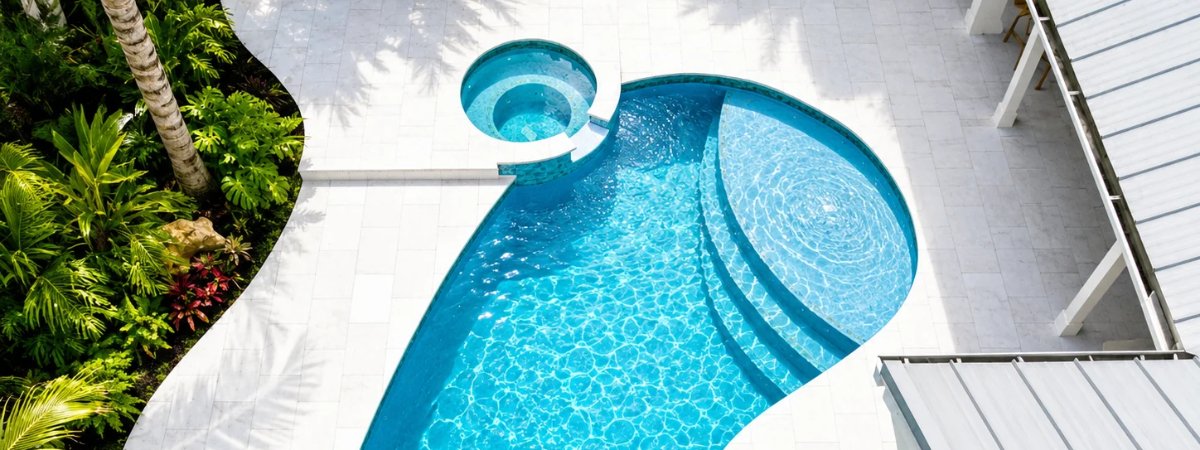
The right cleaning routine will aid in ridding the pool of algae and improving its quality in just one day. Follow these steps in order for effective results.
Step 1: Cleaning Up Floating Debris
This involves collecting leaves, insects, twigs, branches, and any visible dirt from the pool. Use a pool leaf net or skimmer to collect all the debris floating on the surface of the pool.
Also check the bottom of the pool. If the floor is visible, use an appropriate pool vacuum to clean all the dirt that has settled. Cleaning the debris first simplifies the rest of the cleaning process and prevents organic matter from consuming the chlorine.
Clean the baskets of the skimmer and the pump if they have any leaves or debris.
Step 2: Brushing the Walls and Floors of the Pool
Algae may adhere to the pool walls, steps, corners, and floor. Cleaning these surfaces allows them to be loosened to enable better action of the sanitiser and filtration process.
Find the appropriate brush to use depending on the pool surface. It could be vinyl, fibreglass or plaster pool brush. You should clean the walls by brushing them from top to bottom and checking on places with poor water circulation.
Do not ignore the hard to reach places such as corners, ladders, steps among others. It might have algae despite being in other parts that seem clean.
Step 3: Testing the Pool Water
Testing water is an important process in green pool cleaning. It should precede the addition of any chemicals to determine the condition of the water.
A pool testing kit or testing strips will help you know what the water lacks. Always follow the manufacturer’s guidelines in chemical adjustment.
Proper chemical balance makes sure chlorine works well. If the pH is too high, it affects chlorine in killing algae.
Step 4: Applying the Right Pool Shock Treatment
Swimming pools often use pool shock as a remedy against algae among other contaminants found in pool water. Pool shock increases chlorine levels in the water in order to eliminate algae and purify water.
It is important to pick the right shock treatment and carefully read instructions on the label. The amount of the product that needs to be used varies based on the size of the pool, potency of the product, and condition of the pool water.
Do not guess the amount of the chemical to be used or combine different pool chemicals. Always add chemicals separately and according to the instructions using the proper protective gear.
Do not allow swimmers into the pool while treating it. The water can only be used after it reaches the desired chemical levels.
Step 5: Run the Pool Filter All the Time
Run the filtration system after treatment of the pool following instructions of the filter manufacturer. The filtration should be continuous during the treatment process and can assist in removing dead algae and any other dirt suspended in the water.
Always check the filter pressure and make sure the filter is not clogged up and will not be able to remove any particles. If you use a sand or DE filter, then you should backwash the filter when the filter pressure gets to the right level. If you have a cartridge filter, you should clean the cartridge.
Step 6: Vacuum the Dead Algae
After treatment of the algae, dead algae can end up on the floor of the pool. You should use an appropriate pool vacuum to clean up these dead algae.
If the water is very dirty, it would be helpful if you vacuum slowly to avoid getting the dirt into the water again. Some pools may require vacuuming to waste if the equipment permits and the water level can be controlled.
Step 7: Test and Verify the Water
The last step in this process involves retesting the water. Verify the levels of the sanitiser and pH and ensure that they are within the necessary operational and bathing parameters.
Assess the pool water from various perspectives. The water should look clear due to the removal of algae and dirt. In case it looks green and cloudy and you cannot see clearly through it, further treatment will be necessary.
Never presume that water is necessarily safe just because it looks clear. Always double-check the chemical readings.
Green Pool Cleaning: 24-Hour Cleaning Schedule
Following a simple schedule can help you manage the cleaning process without missing important steps. The time required for each task may change depending on the pool condition.
| Time | Cleaning Task | Main Purpose |
|---|---|---|
| First 1–2 hours | Remove leaves and debris | Clear visible dirt |
| Hours 2–3 | Brush walls and floor | Loosen attached algae |
| Hours 3–4 | Test and balance water | Prepare for treatment |
| Hours 4–5 | Apply suitable pool shock | Treat algae |
| Hours 5–18 | Run the filtration system | Remove suspended particles |
| Hours 18–21 | Vacuum settled algae | Remove remaining dirt |
| Hours 21–24 | Retest and inspect | Check water condition |
Common Mistakes to Avoid When Cleaning a Green Pool
There are several homeowner’s mistakes made when trying to clear the water fast.
Using Additional Chlorine Without Checking
Using additional chlorine without testing the water will lead to having an unhealthy chemical amount in the pool. It is always necessary to test the water and to use instructions from the shock treatment.
Neglecting the Pool Filter
It is possible that there is a lot of dead algae and dirt even after treating the algae, which means that the pool will still look murky if the filter does not work properly.
Not Brushing the Pool
Algae can get stuck on the surface of the pool. It is important to brush the pool in order to avoid leaving the algae alive in the pool.
Swimming before the Water is Safe
Swimming should never take place in pools solely because they seem to look clean. Look at the water clarity and chemicals before entering. If the bottom cannot be seen, everyone should stay out of the water.
How to Prevent Your Pool From Turning Green Again
When you manage to make your pool clear, maintaining it will be the best approach to avoiding another algae outbreak.
Ensure that you test the pool water regularly and maintain the appropriate sanitiser and pH level. Ensure that the pump runs according to the appropriate duration required by your pool, weather, and equipment.
Clean the walls and floors weekly to avoid algae formation. Remove the leaves and other debris from the pool to avoid their collection in the water. Clean the filters and ensure that the pump is functioning appropriately.
During hot days or rainy days, monitor the water regularly because these factors may affect the chemical balance of your pool water.
For busy homeowners, pool maintenance services will assist you to maintain clean water and equipment.
Conclusion
A pool can be cleaned up in 24 hours through a careful combination of brushing, testing water, treating the pool with chemicals, filtration and vacuuming. Although in some cases, the pool may become clearer within 24 hours, the end result will largely depend on the quantity of algae and filtration system of the pool.
Maintenance could also help avoid having the same issue with your pool regularly. In case your pool needs more attention and water fails to clear up despite treatments, you may get professional assistance which will make the process much easier.
To provide quality pool services, you may contact Gator Pool Services. We offer pool maintenance services that will help homeowners maintain good conditions of their pools.