

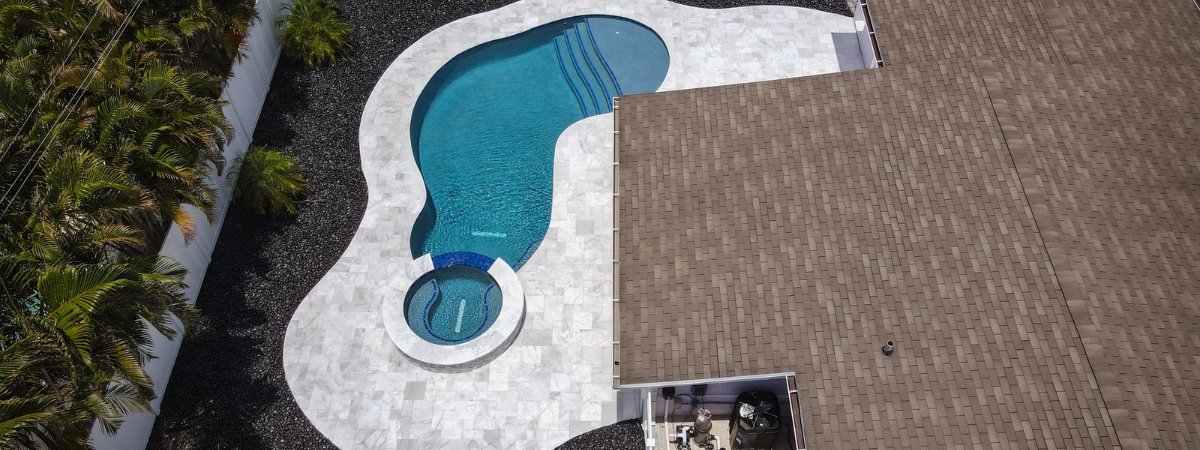
Building a swimming pool in your backyard will be the most exciting project ever. Your family members will have something to relax on, enjoy the sunny weather, workout, and spend quality time together. In addition, a well-thought-of swimming pool will increase the beauty and functionality of your property.
Nevertheless, putting up a pool involves more than just picking the best shape and filling it with water. There are many issues that owners need to take into account like budget, space, design, permits, materials, safety, and future maintenance. Knowing all these prior to Pool Construction will assist in making the right decisions.
Whether you would like to construct a small family pool or a luxurious swimming pool, planning will make things easier for you. The following are the key issues that pool owners need to know before constructing a new pool.
Understanding Your Needs Before Choosing a Pool Design
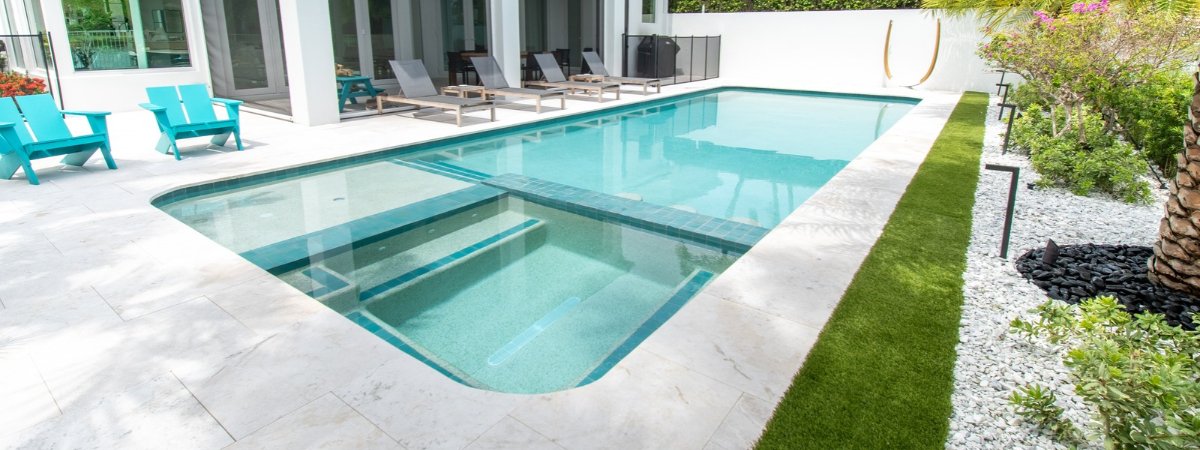
Before building a pool, it is important to consider the ways in which you intend to use it. Each individual homeowner has his/her own needs; therefore, the pool should be designed to meet your needs and available outdoor space.
Some homeowners may want a pool for their kids and weekend fun, whereas some others may require a pool for peace and relaxation. People who like to swim as a form of exercise may require a bigger pool with sufficient space for proper swimming.
Your preferences will assist you in determining the size, depth, shape, and other amenities of your pool. Shallow areas and wider entries are required for those having kids. If you like outdoor parties, then you may require a big pool with seating arrangements nearby.
Being clear in your mind regarding what you need will help you choose an appropriate pool design.
Checking Your Backyard Space and Ground Conditions
The backyard plays a significant role in terms of determining the design of the pool. Before constructing the pool, you have to assess the space and determine if the terrain is fit for a pool.
The size of the area where the pool will be constructed has to be measured. Moreover, you have to take into account the proximity of your house and other outdoor structures such as the fence and trees.
Having a small backyard does not necessarily imply that you cannot have a swimming pool.
Why Soil and Drainage Matter
The condition of the soil is crucial because it may influence the digging process and the stability of the pool. Soil type, water level, subsurface utilities, and drainage must be examined beforehand.
Inadequate drainage will cause problems while constructing the pool. The examination carried out by a professional will help prevent possible problems and will allow the contractor to carry out the works effectively.
Setting a Realistic Budget for Your Pool Project
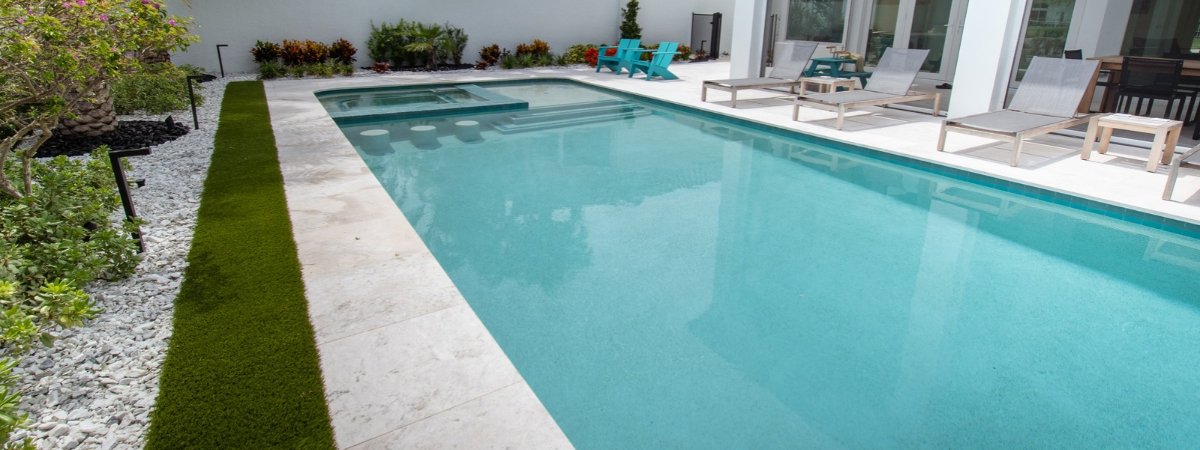
Budgeting forms a crucial part of Pool Construction. While most people consider only the cost of building the pool, there may be several other costs included in the overall investment.
The final cost will depend on the dimensions of the pool, the design chosen, the material used, equipment, environmental factors, and other special features. Simple designs will usually cost less compared to customized pools with waterfalls, heating system, special lighting, and other fancy finishes.
It is always good to have some contingency budget for any unforeseen circumstances which might affect the budget estimate initially. The below table will help you identify some of these costs which need to be discussed with your contractor.
| Project Area | Possible Expenses |
|---|---|
| Design and planning | Measurements, layouts, and engineering plans |
| Permits and approvals | Local permits and required inspections |
| Excavation | Digging and preparing the ground |
| Pool structure | Concrete, reinforcement, and structural work |
| Plumbing and electrical | Pipes, pumps, filters, and wiring |
| Finishing | Tiles, coping, interior surfaces, and decking |
| Additional features | Lighting, heating, waterfalls, and automation |
| Landscaping | Plants, outdoor furniture, and surrounding improvements |
It is always important to get a written estimate before agreeing to the project. The contractor should give an explanation about the services that will be charged extra.
Exploring Different Types of Swimming Pools
There are different swimming pools for homeowners based on factors such as budget, yard space, and design choice. It is important to understand the various pool designs in order to pick the right one for your property.
Concrete Swimming Pools: There are many homeowners who prefer concrete pools because they are customized according to the homeowner’s specifications.
You may also add such things as built-in benches, tanning ledges, steps, and even an attached spa into the design of the pool. However, they take more time to build and need more maintenance.
Fiberglass Pools: Fiberglass pools are constructed by installing a pre-fabricated pool shell in a dug-out spot. They have a smooth finish and come in various shapes and sizes.
It is possible that installation may be faster compared to the construction of a custom-made concrete pool. Nevertheless, there might be fewer design options to choose from.
Vinyl Liner Pools: Vinyl liner pools are built with a flexible vinyl liner set inside a supporting frame. There are several types of shape, which can be considered by owners who want to minimize construction costs.
The liner might eventually wear out, and this factor must be taken into account as well.
Understanding Local Permits and Pool Safety Requirements
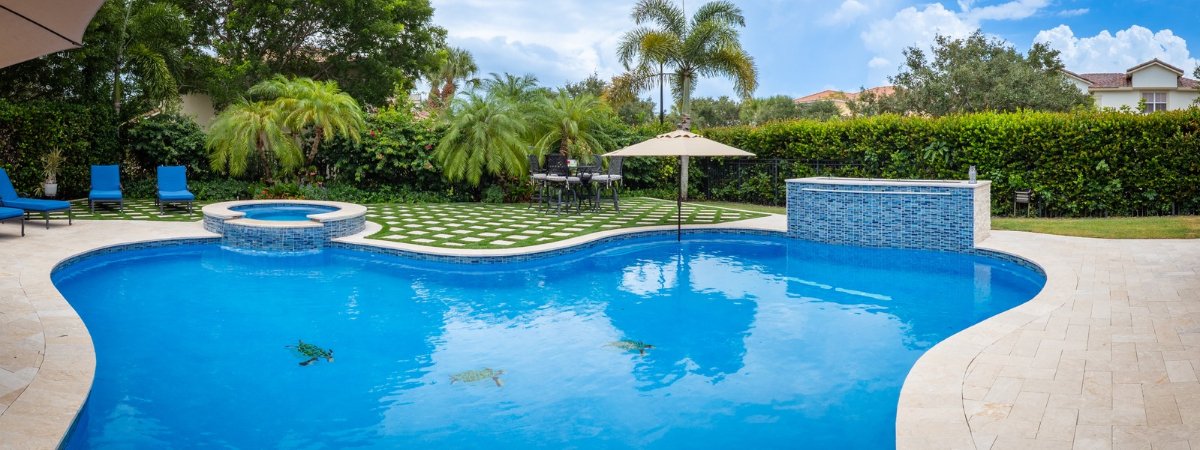
Before starting construction, homeowners should learn about the local regulations and construction requirements. There are many places where there are regulations concerning pool positioning, fence erection, drainage installation, and safety fences.
Depending on the location, homeowners may have to obtain permission from the building authorities. It is important that homeowners’ associations may have their requirements for outdoor constructions.
Failing to have proper permits in advance may lead to various troubles. It is recommended to ask the contractor which permits are needed and who will obtain them.
The issue of safety should also be considered during the designing stage. Correct fence installation, gates closing automatically, adequate pool cover, and correct electrical installation may minimize risks.
In case children or pets will use the backyard, it is important to speak with a contractor about safety measures. The swimming pool should be not only pleasant but also safer.
Choosing Pool Features That Match Your Lifestyle
Some other features can enhance your swimming pool’s comfort and aesthetic appeal. Nevertheless, it is recommended that homeowners choose pool features according to their actual needs rather than choosing all the features available.
Pool lighting that operates on LEDs is beneficial for nighttime swimming and helps enhance the appearance of water after dark hours. Pool heating can be used for extending the period of swimming in the cooler months. Waterfalls and fountains are among the features that create a pleasant environment.
Among some other features are tanning ledges, seating features, pool control automation, energy-efficient pumps, and pool covers.
Consider the costs of the installation and maintenance of each feature. Some additional features may require additional plumbing and electrical installation, so it is better to install them initially.
Knowing What to Expect During the Construction Process
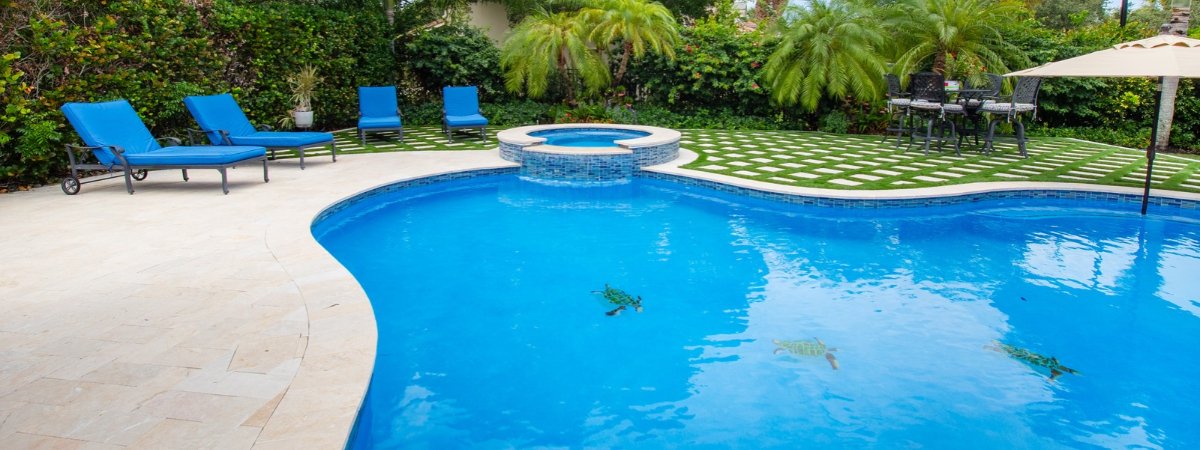
Knowing the process of construction will allow homeowners to be prepared for every step of the work. Steps of Pool Construction are as follows, and the timeframe depends on many factors.
Design and Planning of the Project: At the first stage, you discuss your demands, desired type of the pool, budget and space you have. The plan of construction and the design are made by the contractor.
Preparation of the Site and Excavation: After getting all necessary permits the preparation of the construction site takes place. The contractor marks the place for the pool and starts digging the soil according to the design.
Construction of the Structure and Installation of Equipment: After excavation, the main structure of the pool is built. The installation of plumbing, electric system, pumps and filter is done according to the project.
Completion and Final Inspection of the Work: The finishing of the surface of the pool, coping, tiling, decking and other optional installations takes place. Then the pool is filled, tested and the water is balanced.
Ask your contractor about the schedule of the construction. Weather, inspections and unexpected difficulties may affect it.
Planning for Long-Term Pool Maintenance
Building the pool is just the first step. Maintenance is essential for ensuring that the water remains clean and that the pool is kept in optimal condition.
Homeowners need to take into account cleaning, water testing, filter maintenance, and the inspection of equipment, as maintaining proper water chemistry is important to ensure safe swimming and protect pool surfaces.
The pool can also increase electricity and water bills. It may have pumps, heating systems, and other elements that influence water and electrical consumption.
However, energy-efficient equipment and maintenance may help in saving on the pool expenses. When planning the construction process, one should ask the builder about the pool cleaning and maintenance requirements.
Selecting the Right Pool Construction Contractor
Selecting the appropriate contractor is essential since the quality of construction affects the performance and durability of the pool. It is essential that homeowners conduct adequate research concerning the company’s experience, projects, licenses, insurances, and customer reviews.
One should consider a contractor with good understanding of the design needs and ability to inform about the process of construction. Moreover, the person should be able to provide information regarding the materials, equipment, cost of the construction, and estimated completion period.
Creating a Comfortable Outdoor Space Around Your Pool
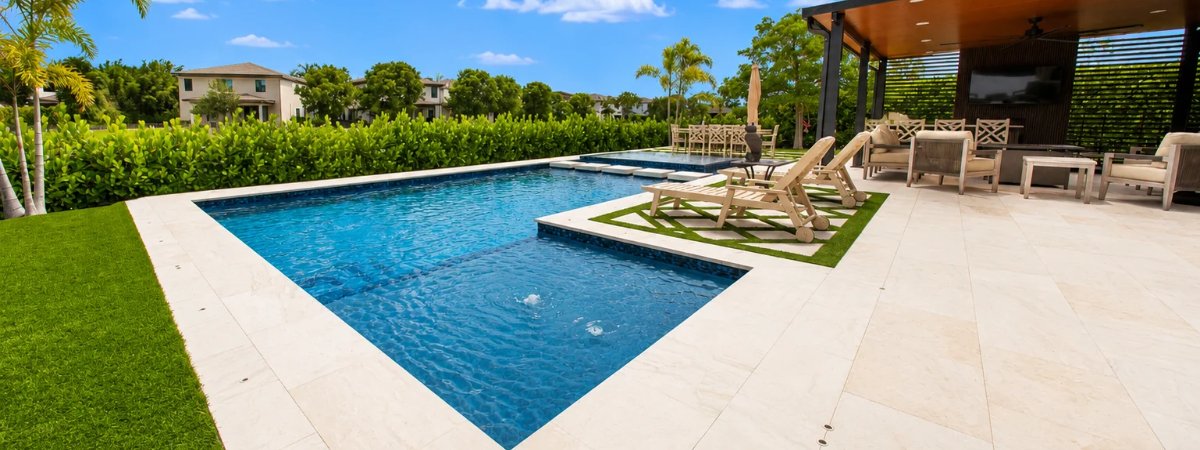
Swimming pools should blend harmoniously into your backyard environment. Landscaping and outdoor design will add to its beauty and will also ensure comfort when using the space.
Consider how you would like the pool to integrate with your patio, garden, outdoor furniture, and seating spaces. A well-thought layout will guarantee enough space for swimming, lounging, and hosting guests.
Plants that match the weather of the region and are suitable for the proximity to the pool should be chosen. You do not need to have many trees around the pool since falling leaves require additional maintenance efforts.
Pool decks also require some attention. Choose materials that offer grip and withstand the effects of weather as well as feel comfortable under feet.
Landscaping of the area will help you create an even more harmonious backyard.
Conclusion
When you decide to install a new swimming pool on your property, some planning is needed in advance and consideration of your needs. Homeowners have to think about the budget, backyard area, soil quality, pool type, permits, safety measures, and maintenance to avoid spending extra money and making things more complicated.
It is also necessary to choose a professional contractor because all the factors like planning, materials used, and proper installation will ensure a swimming pool which will last for many years.
If homeowners are planning a backyard swimming pool, then they could use services provided by Gator Pool Services.