


Many pool owners choose a salt chlorinator because it helps keep pool water clean while reducing the need to add chlorine manually. If you’ve ever wondered how a salt chlorinator works, this guide explains the process in simple terms. We are stripping away the confusing pool jargon to deliver plain, honest facts about how these automatic systems work and why so many pool owners are making the switch.
Whether you are considering a salt chlorinator or already have one installed, understanding how it works can help you keep your pool clean and properly maintained.This guide also explains the basic maintenance needed to keep the system operating efficiently.
What Is a Salt Chlorinator?
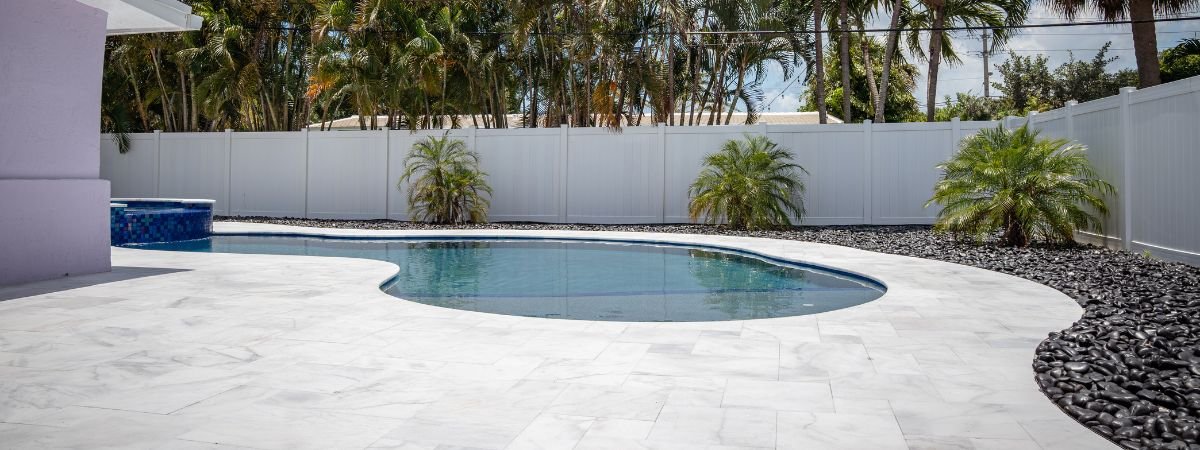
A salt chlorinator, also called a salt water chlorination system, is a piece of pool equipment that turns regular salt into chlorine. That’s right, your pool still has chlorine in it. A saltwater pool is not a chlorine free pool. It just makes its own chlorine instead of you adding it by hand.
The system has three main parts:
- Salt dissolved in the pool water
- A salt cell (also called a salt chlorine generator)
- A control box that manages the whole process
Instead of you buying jugs of liquid chlorine or chlorine tablets every week, the salt chlorinator does the work for you, automatically, day after day.
How It Works
- The Salt Base: You add pure pool salt directly to the water. This is a rare task usually done just a few times a year.
- The Flow: Your pool pump circulates the mild saltwater through the filtration system as usual.
- The Transformation: As saltwater passes through the salt cell, a low-voltage electrical current causes electrolysis, which converts dissolved salt into chlorine.
- Active Sanitizing: The chlorine produced helps control bacteria, algae, and other contaminants in the pool water.
- The Rebirth: Once the chlorine finishes sanitizing, it breaks down and turns right back into salt.
- The Infinite Loop: The entire cycle resets automatically, generating clean water continuously whenever your pump is running.
Why Choose a Salt Chlorinator?
Switching to a salt chlorinator is one of the best upgrades you can make for your pool. Instead of constantly adding chemicals by hand, the system generates chlorine for you automatically. Here are the main reasons pool owners love them:
1. Gentler on Your Skin and Eyes
Traditional chlorine can dry out your skin, make your hair stiff, and sting your eyes. Saltwater feels completely different, soft, smooth, and much gentler. Swimmers can open their eyes underwater with far less stinging, and it won’t fade your swimsuits as quickly.
2. Much Less Daily Work
You won’t have to lug heavy jugs of liquid chlorine home from the store or handle messy chlorine tablets every week. As long as your pool pump is running, the salt cell makes chlorine in the background, taking the daily hassle out of pool care.
3. Keeps Chlorine Levels Steady
When you add chlorine by hand, your pool gets hit with a big chemical spike that quickly fades away. When levels drop too low, algae can sneak in. A salt chlorinator creates a continuous, steady stream of chlorine to keep your pool consistently clean and algae-free.
4. No Harsh Chemical Smell: That strong chlorine smell isn’t actually fresh chlorine, it comes from built-up pool waste and chemicals mixing together (called chloramines). Because the salt cell breaks down these waste products as water flows through it, your pool area stays smelling clean and fresh.
5. Saves Money Over Time
While buying and installing a salt system costs more up front, it saves you money in the long run. Store-bought chlorine is expensive and needs constant restocking. Pool salt is cheap and doesn’t evaporate, meaning most Florida pool owners recover their setup costs in just a couple of seasons.
Salt Chlorinator Myths
Let’s clear up a few things people often get wrong.
- Myth: No Chlorine: Not true. Saltwater pools still have chlorine, just made in a different way.
- Myth: Ocean Like Taste: Also not true. The salt level in a pool is much lower than seawater, usually around 3,000 to 3,500 parts per million, compared to ocean water at about 35,000 parts per million. Most people barely notice any salty taste at all.
- Myth: No Maintenance Needed: This one trips a lot of pool owners up. Salt chlorinators still need regular care. The salt cell needs cleaning every few months to remove calcium buildup, and you still need to check your pool’s pH and salt levels regularly.
Salt Chlorinator Maintenance
Although a salt chlorinator reduces routine chlorine dosing, it still requires regular maintenance. Here is what you should keep an eye on:
- Salt levels: Test your water every month or so to make sure the salt level stays in the right range, usually between 2,700 and 3,400 ppm depending on your system.
- Salt cell cleaning: Over time, calcium and minerals can build up on the metal plates inside the cell. This buildup, called scale, can slow down chlorine production. Cleaning the cell every three to four months keeps it running well.
- pH balance: Salt systems can sometimes cause your pool’s pH to drift higher. Checking it weekly helps you catch problems early.
- Stabilizer levels: Cyanuric acid, also called stabilizer, protects chlorine from breaking down too fast in sunlight. This needs occasional checking too.
- Cell replacement: Salt cells don’t last forever. Most last around three to seven years, depending on usage and how well they are maintained.
If all this sounds like a lot to track, that’s exactly what a professional pool service is for. Regular checkups catch small issues before they turn into expensive repairs.
Signs Your Salt Chlorinator Needs Service
Watch out for these warning signs:
- Cloudy or green water even though the system is running
- A low salt or check cell light on your control box
- Chlorine levels that keep dropping no matter what
- Visible white, chalky buildup on the salt cell plates
- Algae growth despite regular filtration
If you notice any of these, it might be time for a cleaning, a salt level check, or a professional inspection.
Salt vs Chlorine Pools
The better option depends on your budget, maintenance preferences, and how often you use your pool.
| Feature | Salt Chlorinator | Traditional Chlorine |
|---|---|---|
| Water feel | Softer, gentler | Can feel harsher |
| Daily maintenance | Lower | Higher |
| Upfront cost | Higher | Lower |
| Long-term cost | Often lower | Often higher |
| Chlorine smell | Usually less | Usually more |
| Equipment needed | Salt cell system | Chemical dosing |
In warm climates where pools are used frequently, a salt chlorinator can provide more consistent chlorine production and reduce the need for manual chemical additions over time.
Final Thoughts
A salt chlorinator produces chlorine from dissolved salt through electrolysis, providing continuous sanitation while reducing the need for manual chlorine additions. Regular cleaning of the salt cell and routine water testing help the system perform efficiently and maintain clean, balanced pool water.
Whether you are looking to upgrade to a saltwater setup or need expert maintenance to keep your current salt cell running at peak performance, getting professional support makes all the difference. Contact Us today to learn more about our salt chlorinator services or to schedule your routine pool maintenance checkup.