

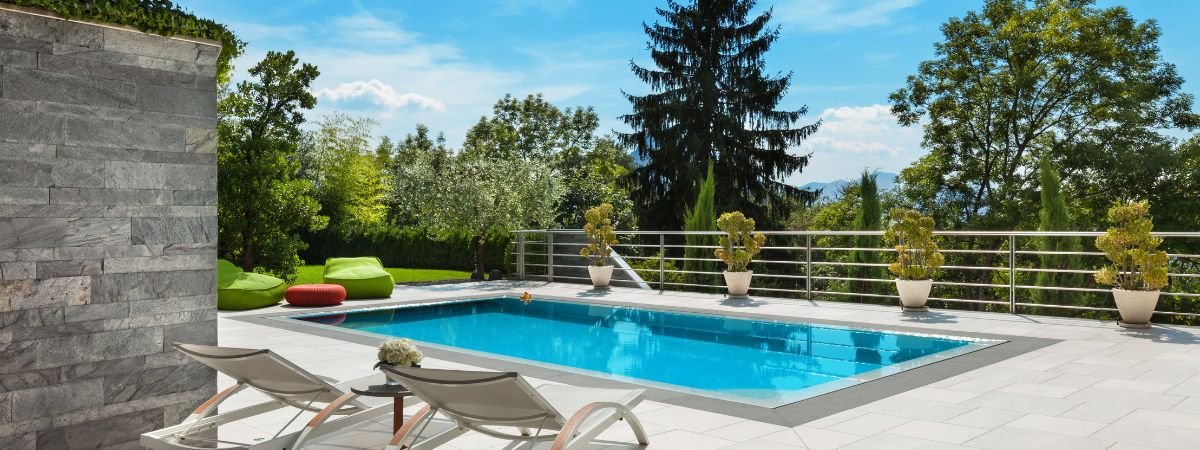
A swimming pool is a great feature for any backyard. It provides a cool place to swim on hot summer days, a spot for family fun, and a beautiful view. However, a pool is also a significant expense. The pool surface, whether it is smooth plaster, colourful pebbles, etc., or classic tile, is one of the parts that wears out fastest.
Over time, constant contact with water, harsh chemicals, and strong sunlight can wear your pool finish down. A damaged pool surface looks bad, feels rough on your feet, and can cause expensive leaks. Fortunately, you do not need to replace your pool surface every few years. With the right care and simple habits, you can protect this investment and enjoy a clean and comfortable pool for a very long time.
This guide covers simple ways to protect your pool finish, keep your water crystal clear, and help your pool last longer.
Why Taking Care of Your Pool Finish Is Important
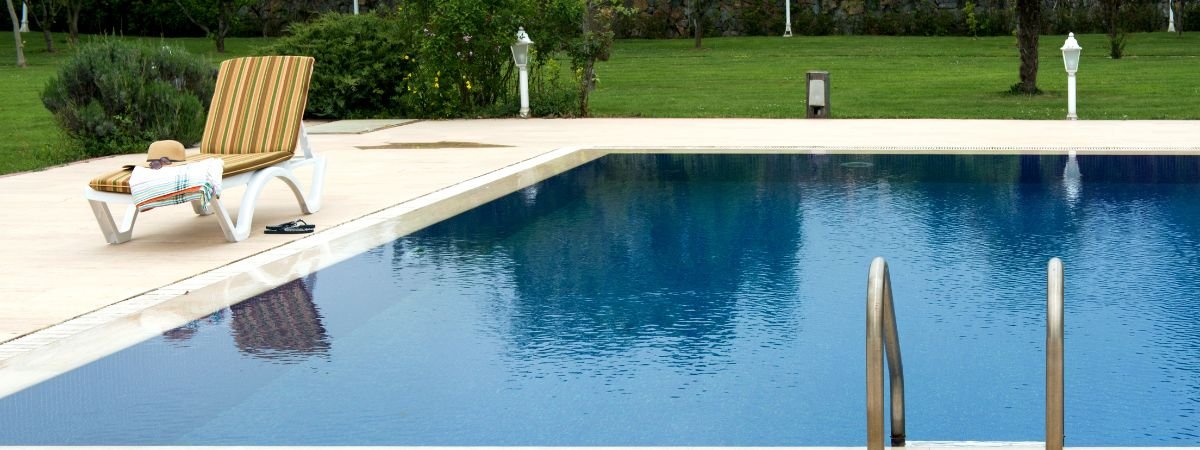
The interior finish of your swimming pool does much more than just look pretty. It works as a protective layer that keeps water inside the structure. When this layer begins to wear down, the underlying concrete or gunite becomes exposed to water. This can cause structural damage that is costly to repair.
On average, a standard plaster pool surface lasts between 8 and 12 years. High-end finishes like pebble or quartz can last 15 to 20 years if you care for them properly. However, poor maintenance can cut these lifespans in half. Resurfacing a pool requires major construction, heavy machinery, and a large budget. By spending just a few minutes each week on regular maintenance, you save thousands of dollars and ensure your pool remains clean and attractive.
1. Keep Your Pool Water Balanced
The biggest factor in pool surface longevity is water balance. Many people believe that pool chemicals are only there to keep the water clear and kill bacteria. While sanitation is vital, chemical balance also determines whether your water is corrosive or scaling.
When pool water is out of balance, it tries to fix itself. If the water does not have enough minerals, it will slowly damage your pool surface to steal calcium from the plaster. This process is called etching, and it leaves your pool walls feeling rough and uneven. On the other hand, if the water has too many minerals, it deposits them onto the walls, creating hard white buildup spots known as scale.
To prevent this damage, you must test your water at least once a week and maintain these ideal chemical levels:
The Ideal Chemical Ranges for Surface Protection
| Chemical Parameter | Ideal Target Range | Why It Matters to Your Surface |
|---|---|---|
| pH Level | 7.4 to 7.6 | Prevents acidic etching and cloudy water scale. |
| Total Alkalinity | 80 to 120 ppm | Acts as a shield to keep pH stable. |
| Calcium Hardness | 200 to 400 ppm | Prevents water from pulling calcium from plaster walls. |
| Free Chlorine | 1.0 to 3.0 ppm | Kills algae and bacteria without damaging finish. |
| Cyanuric Acid | 30 to 50 ppm | Protects chlorine from breaking down under the hot sun. |
Key Takeaways for Chemical Maintenance
- Test frequently: Check chemical levels weekly during peak swim season to notice problems before they get worse.
- Avoid chemical drops: Never throw chlorine tablets or harsh chemicals directly onto the pool floor, as they can bleach or burn the finish.
- Dissolve shock first: Always dissolve granular pool shock in a bucket of water before pouring it into the pool.
- Keep calcium balanced: Maintain calcium levels above 200 parts per million (ppm) at all times so the water does not dissolve your plaster.
2. Clean Your Pool Regularly
Debris is not just an eyesore; it can damage your pool surface. Leaves, twigs, dirt, and bugs constantly fall into outdoor pools. When organic waste sits on the bottom of a pool, it begins to decay.
As organic materials decompose, they release tannic acid and create small chemical changes in certain areas. This process leaves dark brown, yellow, or black stains on your pool floor. These stains look awful and can become permanent if left untreated. Furthermore, sharp twigs and small stones can scratch the finish when swimmers step on them or when automatic pool cleaners drag them across the floor.
Proactive Cleaning Steps
- Skim debris daily: Remove leaves and floating organic matter before they sink to the bottom.
- Empty baskets regularly: Clean out your skimmer and pump baskets to maintain strong water flow.
- Vacuum weekly: Clear out settled dirt and small debris that can cause friction damage against the floor.
- Use a nylon-bristle brush: Stick to nylon brushes for plaster, quartz, and pebble finishes to avoid scratching.
- Brush hidden spots: Pay extra attention to dark corners, steps, and areas behind pool ladders where biofilm builds up.
3. Protect Your Pool From Sun Damage
The sun is a powerful force that can degrade pool surfaces over time. Ultraviolet (UV) rays can fade dark plaster and coloured quartz finishes, making them look dull and patchy.
The greatest danger occurs when you expose the pool surface directly to the air and sun. You must never leave a concrete or plaster pool empty during hot weather. The water inside the pool acts as a weight to keep the pool in the ground, but it also regulates the temperature of the surface material.
When you drain a pool and leave it exposed to the hot sun, the plaster dries out too fast. This extreme dryness causes the surface to crack, pop off the concrete base, or split open. This damage is known as delamination. If you ever need to drain your pool for repairs or water replacement, always schedule the task during cooler months, work quickly, and refill the pool as soon as possible.
Protecting Your Waterline
- Maintain the target level: Keep your water level right at the middle of your pool skimmer opening.
- Prevent calcium rings: A steady water level prevents exposed tile grout from baking and cracking in the sun.
- Reduce evaporation: Use a pool cover when the pool is not in use to block UV rays and conserve water.
4. Run Your Filtration System Sufficiently
A pool filter is the unsung hero of surface protection. The pump circulates the water, while the filter traps microscopic dirt particles before they can settle onto the pool floor and cause friction damage.
If you do not run your pump long enough, the water becomes stagnant. Stagnant water creates dead zones where chemicals do not reach, leading to rapid algae growth. Algae roots can penetrate porous plaster surfaces, causing deep structural stains that ruin the look of your pool.
Better Filtration Practices
- Run the pump daily: Circulate the water for 8 to 12 hours each day during the summer.
- Turn over the water: Ensure the pump runs long enough to cycle the entire volume of pool water daily.
- Clean the filter: Backwash sand or D.E. filters, or clean cartridge filters when the pressure gauge rises 8 to 10 psi above normal.
- Consider variable-speed pumps: Switch to an energy-efficient pump to run longer circulation cycles at a much lower utility cost.
5. How to Prevent Pool Surface Stains
Metals can enter your pool water through fill water from local wells, old copper plumbing pipes, or cheap copper-based algaecides. When these metals dissolve in your water, they remain invisible until a sudden spike in pH causes them to drop out of solution. This process is called precipitation, and it stains your pool surface instantly.
- Iron leaves ugly rust-coloured or brown stains.
- Copper creates dark blue, green, or black marks.
- Manganese causes purple or black discolouration.
To protect your pool surface from these permanent blemishes, always use a metal sequestering agent if you use well water or live in an area with high metal content. This liquid chemical binds to the metal particles, keeping them suspended in the water so they cannot stick to your pool walls or floor.
Scale Prevention Strategies
- Keep pH under 7.6: High pH combined with high calcium levels triggers ugly scale formation.
- Watch the waterline: Wipe away early white, crusty deposits before they harden into a thick layer.
- Use scale inhibitors: Add a preventative scale product during peak summer months to keep your finish smooth.
- Test fill water: Check the mineral content of your tap or well water before using it to top up the pool.
Conclusion
A clean and smooth pool finish makes your backyard more enjoyable and helps your pool stay in good condition for years. While some wear and tear is normal over time, regular maintenance can prevent many common problems like stains, rough spots, cracks, and surface damage. Simple habits such as balancing the water chemistry, cleaning debris regularly, brushing the walls, and running the filtration system properly can greatly extend the life of your pool surface.
Taking care of your pool finish also helps reduce expensive repair and resurfacing costs in the future. A well-maintained pool not only looks better but also provides a safer and more comfortable swimming experience for your family and guests. By staying consistent with pool care throughout the year, you can keep your pool surface smooth, clean, and attractive for many seasons to come.
If you notice signs of discolouration, scaling, rough texture, or cracking, it is important to address the issue early before it becomes more serious. With proper care and timely maintenance, your swimming pool can remain a beautiful and relaxing part of your backyard for a long time. If you need professional help with pool maintenance, repairs, or surface restoration, contact us to keep your pool looking its best year-round.