


Your backyard swimming pool relies on many hidden parts to stay clean, safe, and clear. While most people look at the water surface, a crucial piece of equipment sits at the very bottom of the deep end. The main drain plays a big role in keeping your pool water moving properly. When the drain stops working properly, it can affect the entire pool system.
A small pool drain issue can quickly turn into an expensive repair bill, major damage to your backyard, or a serious safety hazard. Homeowners often miss the early warning signs because they think a minor leak or a strange noise is just a normal part of pool ownership. Here are some common pool drain problems and the warning signs to watch for, the common warning signs you must watch for, and how to resolve them.
What Your Pool Drain Actually Does
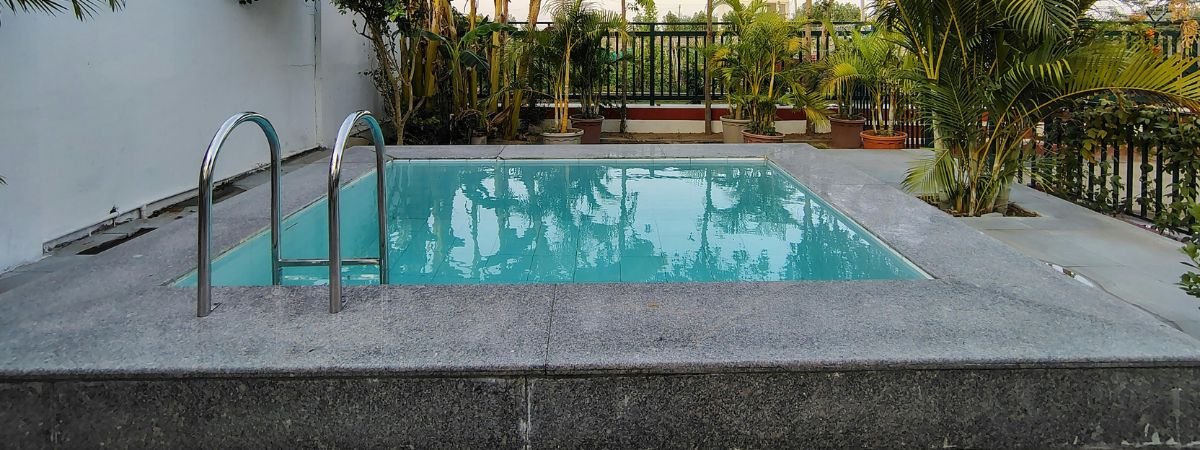
A pool main drain does not exist to empty all the water out of your pool for the winter. Instead, its main job is to pull water from the absolute lowest point of the pool and push it towards your pump and filter. This helps keep water moving evenly throughout the pool.
When your pool water circulates correctly, your chemicals mix evenly through every layer of the pool. This movement also keeps the water temperature uniform from the surface down to the deep end floor. In addition, the main drain helps pull heavy dirt particles down into the filtration system. Without a working pool drain, the water at the bottom of your pool becomes stagnant, cold, and a perfect place for algae to grow.
Warning Signs of Pool Drain Problems
Your pool system will always show warning signs when a component breaks. You just need to know what to look for and what to listen for. Here are some common signs that your main drain may need attention and that your main drain needs professional attention.
- Poor Circulation and Cold Spots: If your chemical test kits show great readings near the top skimmer but show low chlorine or bad pH levels at the bottom of the pool, your drain is likely clogged. You might also notice that the water at the bottom of the pool feels icy cold while the surface water feels warm. Stagnant water will quickly become cloudy, and green or black algae will start to grow around the drain cover.
- Loud, Rattling, or Screeching Pump Sounds: Your pool pump should normally run quietly with a steady flow of water. If debris blocks the plumbing lines under the main drain, or if the main valve breaks, the pump struggles to pull water. When water flow gets blocked, the pump can start pulling in air and making loud noises, which means your pump motor is starving for water. A struggling pump may shake, vibrate, or make unusual sounds. If you run a pump in this condition, the internal bearings can overheat and fail.
- Air Bubbles in the System: If you look through the clear lid of your pump basket and see large pockets of air, or if you see a steady stream of air bubbles shoot out from your pool wall jets, your system draws in air. A loose pump lid can cause this issue, but a cracked main drain pipe underground will also pull air into the lines. A broken underground pipe drops the water pressure and reduces your filtration power.
- Cracked, Loose, or Missing Drain Covers: Checking the pool floor regularly can help you spot problems early. The main drain cover must always sit completely flat and remain securely attached to the pool floor. If you notice that the plastic cover is cracked, has loose screws, or floats away from the plaster, you have a major emergency. A damaged drain cover can create unsafe suction around the drain area, which creates a dangerous suction entrapment risk for swimmers.
- Rapid Loss of Pool Water: Every backyard pool loses a small amount of water to natural evaporation on hot summer days. However, if you have to refill your pool multiple inches every week, you likely have a structure or plumbing leak. Ground shifts or old age can crack these underground PVC pipes. When a pipe cracks, water escapes directly into the soil underneath your pool structure.
Common Drain Problems Pool Owners Face

Understanding how your drain system works can help prevent bigger issues later; it becomes much easier to prevent major failures. Here is a breakdown of the three most common drain problems.
- Underground Clogs and Blockages: Leaves, twigs, acorns, and heavy clumps of hair can pass through a broken drain cover. Once these materials get inside the narrow suction pipe, they stick together and block the water flow. To clear an underground main drain clog is much harder than to clear a skimmer clog because the pipe runs deep beneath concrete and water. Pool technicians must use high-pressure water tools or specialised plumbing snakes to break up the debris.
- Problems With the Hydrostatic Valve: Beneath your main drain cover sits a small, spring-loaded device called a hydrostatic relief valve. This valve exists to protect your pool from popping out of the ground. When groundwater levels rise under your pool shell, the water pressure can create enough upward force to lift a heavy concrete pool out of the earth. The hydrostatic valve opens automatically when groundwater pressure gets too high, which allows that outside water to enter the pool safely and equalise the pressure. If this valve gets stuck open because of sand or tiny pebbles, pool water will constantly leak out of the bottom of your pool into the dirt.
- Why Drain Cover Safety Matters: The suction force from a standard pool pump is incredibly strong. If a main drain does not have a safe cover, the vacuum pressure can trap a swimmer underwater by their hair, limbs, or clothing. To prevent these accidents, federal laws mandate that all pools feature curved anti-entrapment drain covers. These covers prevent a flat seal from forming if a body part touches the drain, and they instantly spread the suction power safely across a wide area.
How to Maintain Your Pool Drain
Regular preventive maintenance keeps your pool system running smoothly and prevents the need for unexpected pool remodeling. Use these tips to protect your main drain.
- Check the Drain Cover Every Month: Wear a pair of swim goggles to look closely at the bottom drain. Make sure all screws are tight and the plastic has no small cracks or brittle spots.
- Keep the Pool Floor Clean: Do not allow heavy piles of leaves to sit on top of the main drain. Use a pool brush or a pool vacuum to clear the floor weekly.
- Keep Your Chemicals Balanced: Poor pool chemistry causes major damage. Low pH water becomes highly acidic and will eat away at plastic drain covers and metal screws. High calcium levels can form a hard crusty scale inside the drain pipes, which blocks water flow.
- Never Empty Your Pool Without Expert Help: If you drain your pool completely, you remove the heavy weight of the water that holds the pool shell down against underground water tables. If your hydrostatic valve fails while the pool is empty, the entire structure can crack or pop out of the ground.
Drain Issues and Solutions
| Pool Symptom | Potential Cause | Immediate Action Needed |
|---|---|---|
| Algae grows only on the deep end floor | Poor bottom circulation from a blocked main drain. | Brush the pool floor thoroughly and check the valves at your equipment pad. |
| Loud, noisy or whining noises from the pump | Pump cavitation caused by a blocked drain line. | Turn off the pump motor immediately to protect the mechanical bearings. |
| Air bubbles shoot out of the wall jets | A cracked main drain pipe draws air underground. | Contact a pool professional to perform a plumbing pressure test. |
| The drain cover is loose, cracked, or missing | Damage from sun exposure, old age, or chemicals. | Keep all swimmers out of the water and replace the cover immediately. |
| The pool water level drops rapidly every day | A structural leak in the hydrostatic valve or drain pipe. | Schedule a professional leak detection service or perform a dye test. |
To help you identify problems quickly, this table connects common pool symptoms with their potential causes and the correct actions to take.
Conclusion
Some pool maintenance tasks are perfect for DIY homeowners, such as to empty a skimmer basket or to check chemical levels with a test strip. However, main drain repairs are not a DIY project. Work on a main drain requires specialised plumbing tools, dive gear, and advanced knowledge of pressure systems.
If you suspect an underground pipe leak, if your drain cover breaks, or if your pump continues to make loud noises after you clean your baskets, you need expert assistance. Professional pool technicians can use underground microphones to find exact leak locations without digging up your concrete pool deck. They can also safely replace underwater parts without any need to drain your pool water. If you take quick action when you notice poor water circulation, drops in water levels, or strange equipment noises, you will keep your pool safe, clean, and ready for your family all year long. Contact our team if you would like a professional pool inspection to schedule an inspection and ensure your pool stays in perfect condition.