

Many pool owners know the frustration of dealing with strong chlorine odors, frequent chemical treatments, and regular algae cleaning, especially during South Florida’s long swimming season. Because of these challenges, many homeowners in Coral Springs and Parkland are choosing saltwater pool systems instead. Saltwater systems provide softer-feeling water and can reduce the amount of routine pool maintenance, making them a popular choice for many Florida homeowners.
Even though saltwater pools are common today, many people still have questions about how they work and whether they contain chlorine. The truth is that a saltwater pool still uses chlorine, but it produces it automatically through a salt chlorine generator. To help you decide if this upgrade is right for your home, let’s clear up the confusion and break down exactly how a saltwater pool works in plain, simple terms.
What Is a Saltwater Pool?
A saltwater pool is not a chlorine-free pool. This is one of the biggest mix-ups people have. A saltwater pool still uses chlorine to keep the water clean and safe. The difference is where that chlorine comes from. In a regular pool, you add chlorine tablets or liquid directly. In a saltwater pool, a special device called a salt chlorine generator (also called a salt cell) makes chlorine automatically from the salt you add to the water.
Think of it like this: instead of buying chlorine every week, you add salt once and let the system do the rest. The salt level in a saltwater pool is about 3,000 to 4,000 parts per million (ppm). For comparison, ocean water is about 35,000 ppm. So no, your saltwater pool will not taste or feel like the ocean. Most swimmers can barely notice any salt at all.
How the Salt System Works
This is where things get interesting. Here’s the step-by-step process:
Step 1: You Add Salt
You pour pool-grade salt (sodium chloride) directly into the water. This dissolves completely and mixes throughout the pool.
Step 2: Water Flows Through the Salt Cell
As your pool pump runs, water passes through the salt-chlorine generator. Inside the generator is a set of metal plates called the salt cell.
Step 3: Electrolysis Happens
The salt cell uses a small amount of electricity to split the salt molecules. This process is called electrolysis. It breaks sodium chloride (salt) into two things: sodium and chlorine gas.
Step 4: Chlorine Sanitizes the Water
That chlorine gas dissolves into the water and becomes hypochlorous acid, the same active sanitizer used in regular chlorine pools. It kills bacteria, algae, and other harmful stuff in your pool.
Step 5: The Cycle Repeats
After the chlorine does its job, it turns back into salt. The salt goes through the generator again, and the whole process starts over. This is why you rarely need to add more salt. It keeps recycling.
Saltwater Pool vs. Chlorine Pool
Here’s a quick side-by-side look at how both types compare:
| Feature | Saltwater Pool | Traditional Chlorine Pool |
|---|---|---|
| Chlorine Source | A salt cell makes it automatic | Added manually (tablets, liquid) |
| Water Feel | Softer, silky feel on skin | Can feel harsh or drying |
| Eye & Skin Irritation | Much less irritation | More common with high chlorine |
| Maintenance Level | Less hands-on | More frequent chemical checks |
| Salt Cell Replacement | Every 3–7 years | Not applicable |
| Algae Risk | Low with proper care | Moderate |
| Smell | Little to no chlorine smell | Stronger chlorine odor |
Benefits of a Saltwater Pool
1. Softer, Silky Water Feel
Instead of water that feels harsh, tight, or heavy on your skin, salt acts as a natural water softener.
- Altered Water Density: The dissolved sodium chloride changes the surface tension of the pool, giving the water a signature smooth, silky texture.
- No Chalky Residue: Traditional chlorine often leaves a dry, chalky film on your skin post-swim. Saltwater leaves you feeling completely clean, refreshed, and smooth.
- Resort-Quality Luxury: It brings the premium texture of high-end resort pools directly into your backyard.
2. Less Skin and Eye Irritation
The burning eyes and itchy skin people associate with pools aren’t actually caused by pure chlorine. They are caused by chloramines, irritating chemical byproducts formed when traditional chlorine binds with sweat, body oils, and environmental organic matter.
- Continuous Micro-Dosing: Because a salt cell generates a steady, microscopic flow of pure chlorine, it destroys chloramines before they can build up.
- Gentle on Eyes: The lower, stable chemical baseline means goodbye to red, burning eyes for the kids.
- Skin-Safe Sanitation: It is a game-changer for anyone dealing with sensitive skin, eczema, or chemical allergies.
- No Chemical Odor: It eliminates that strong, bleach-like smell that locks itself into your hair and clothes long after you step inside.
3. Less Chemical Handling
Traditional pool ownership forces you to act like a backyard chemist with toxic materials.
- Safe Storage: You completely eliminate the need to store combustible chlorine tablets or highly concentrated liquid chlorine jugs in your hot garage or shed.
- Safe Transport: No more driving home from the pool store with staining, leaking liquid chemical containers in the trunk of your car.
- Kid and Pet Friendly: Your primary baseline additive is standard, non-hazardous pool salt, creating a much safer environment around the house.
4. Easier Maintenance
Traditional pools require a constant game of chemical catch-up, adding chemicals, watching them evaporate in the hot Florida sun, and rushing to fix a crashing pool.
- Automated Sanitizing: As long as your pool pump runs, your generator automatically creates and distributes a steady stream of sanitizer.
- No More Chemical Spikes: This steady production eliminates the dramatic chemical spikes and deep crashes that invite sudden algae breakouts.
- Fewer Emergency Fixes: It cuts down your weekly chemical chore list significantly, preventing the need for costly weekend pool emergencies.
5. Better for Hair and Swimwear
High, unmanaged traditional chlorine levels act like a mild bleaching agent on organic fabrics and organic materials.
- Fabric Longevity: The stable, low-sanitizer environment prevents expensive swimsuits and athletic gear from bleaching out and losing their elasticity.
- Hair Protection: It won’t strip away the natural, protective oils from your hair, keeping it from feeling brittle, dry, or looking straw-like when you dry off.
Are There Any Downsides?
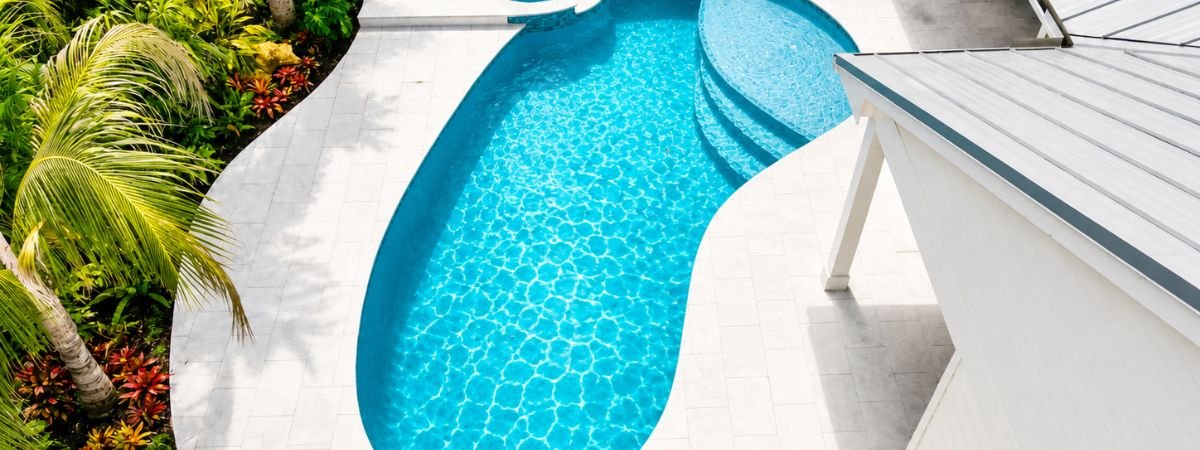
While saltwater pools offer an incredible swimming experience, they aren’t magic, they are mechanical. To make the best decision for your home, it helps to understand the realistic downsides and how to manage them.
1. Higher Installation Cost
Converting your pool isn’t as simple as dumping salt into the water. You cannot bypass the mechanical conversion process, which requires an initial financial investment.
- Specialized Equipment: A professional pool technician must install a complete Salt Chlorine Generator (SCG) system. This involves mounting a digital control diagnostics panel on your wall and plumbing a physical salt cell housing directly into your existing filtration line.
- Electrical Upgrades: The system requires a dedicated power source hooked up to your pool timer or automation system so it only runs when the pump is moving water.
2. Salt Cell Replacement
The salt cell, the physical tube where the water gets converted into chlorine, does not last forever. It is a consumable piece of equipment that naturally degrades with regular use.
- Precious Metal Wear: Inside the cell are parallel titanium plates coated with precious metals (like ruthenium or iridium). The low-voltage electrical current passing through these plates eventually wears this coating thin.
- Lifespan Expectations: On average, a well-maintained salt cell will last between 3 to 7 years before it loses its ability to generate chlorine efficiently.
- Replacement Budgeting: When the cell finally burns out, you don’t need to replace the entire digital control panel, just the individual cell capsule itself. Your pool service team can monitor its diagnostics and let you know when production drops.
3. Salt Damage and Corrosion
Salt is a natural corrosive agent. If your pool deck and backyard fixtures weren’t originally built with salt in mind, splash-out water can cause issues if left completely unmanaged.
- Natural Stone Damage: Soft, highly porous natural stones like unsealed travertine, limestone, or flagstone can absorb the saltwater. When the water evaporates, microscopic salt crystals expand inside the stone, causing it to flake, pit, or erode over time (a process called spalling).
- Metal Weathering: Standard metals around your pool pad, low-grade stainless steel ladders, or cheap diving board anchors can rust or corrode much faster if exposed to continuous salt spray and splash-out.
- Prevention is Simple: You can entirely neutralize this downside by applying a high-quality, breathable silane/siloxane stone sealer to your pool deck annually, rinsing off your coping with fresh water after heavy use, and ensuring all ladders use high-grade sacrificial zinc anodes to absorb potential corrosion.
4. Regular Maintenance Is Still Needed
One of the biggest traps homeowners fall into is believing a saltwater pool is completely hands-off. A salt system automates your chlorine generation, but it is not a self-cleaning robot.
- The pH Climbing Problem: The process of electrolysis naturally creates a high pH byproduct. Because of this, saltwater pools experience a continuous, natural rise in pH levels. If you don’t regularly check your water and add small amounts of muriatic acid, high pH will cause your water to scale and reduce your chlorine’s effectiveness.
- Calcium Scaling: If your water chemistry is neglected, calcium will bake onto the hot titanium plates inside your salt cell, creating a white, crusty buildup that chokes performance. The cell must be manually pulled and cleaned with an acid-wash solution every 3 to 6 months.
Conclusion
A saltwater system represents a premium upgrade for South Florida homeowners who want to elevate their pool experience while reducing manual maintenance demands. This technology automates the disinfection process to eliminate the need to transport and handle harsh chemical agents, replacing them with a continuous cycle that delivers consistently balanced, skin-friendly water. For residents in Coral Springs and Parkland, an investment in a salt chlorine generator yields long-term efficiencies by lowering chemical expenses and providing a more refined, luxurious swim environment throughout Florida’s year-round swimming season.
You can ensure your current commercial or residential system operates at peak efficiency by choosing to contact us at Gator Pool Services. Our certified technicians specialize in professional system installations, precise chemical balancing, and comprehensive weekly maintenance packages tailored to your specific equipment needs. Call our regional office today at (754) 349-0244 or schedule a consultation online to secure reliable, expert care for your aquatic investment.