

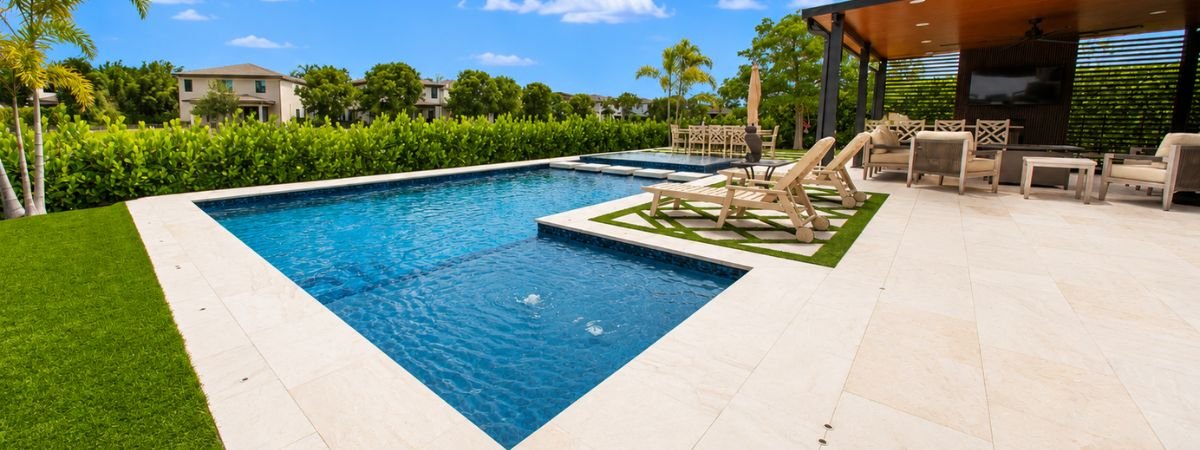
A heavy storm rolls through your neighborhood, pouring rain for hours or even days. Once the skies clear, you walk out to your backyard expecting to see inviting, clear water. Instead, you find a dark, murky, or overflowing pool filled with floating leaves, dirt, and twigs.
Heavy rain can quickly make your pool dirty. It lowers chlorine, changes the water balance, and brings in dirt and algae.If you do not clean it, cloudy water can turn green in as little as one day.
Cleaning your pool after a storm is easier when you follow the right steps. By following a step-by-step pool maintenance routine, you can restore your pool water, protect your filtration equipment, and get back to swimming safely.
Why Heavy Rain Ruins Swimming Pool Water
To fix your pool after a storm, it helps to understand what rainwater actually does to your pool. Rain may look clean, but it brings dust, pollen, and other dirt into your pool.
Here are the main reasons persistent rainfall creates pool problems:
- Rain Lowers Pool Chemicals: When inches of rainwater mix with your pool, it dilutes the chemicals in the water. Rain lowers chlorine, making it easier for algae and germs to grow.
- Rain Can Lower pH: Rainwater has a lower pH than pool water, so it can change your pool’s balance. Adding hundreds of gallons of low-pH water into your pool lowers the overall pH and total alkalinity. Acidic pool water can corrode metal pool ladders, damage equipment, and irritate human eyes and skin.
- Leaves and Dirt: Strong winds blow leaves, grass clippings, soil, twigs, and insects into the water. As these organic materials sit in your pool, they consume chlorine and provide food for algae growth.
- Dirty Water from Your Yard: If rain falls heavily enough to overflow your lawn or patio, surface runoff can spill into the pool. Runoff carries mud, lawn fertilizers, phosphates, and severe contamination directly into your water.
Knowing these problems helps you clean your pool the right way. Let’s walk through the exact steps you need to take after heavy, persistent storms.
Step 1: Remove Debris & Check Water Level
Before turning on your pump or vacuuming, remove large physical debris to prevent clogs and protect your pool pump.
- Adjust Water Level: If heavy rain has filled the pool above the midpoint of the skimmer tile line, drain excess water (using the pump’s waste valve or a submersible pump) until it reaches halfway up the skimmer opening.
- Skim the Surface: Use a deep leaf rake net attached to a telescopic pole to scoop out floating leaves, twigs, and bugs.
- Scoop the Floor: Gently drag your leaf rake along the pool floor to collect submerged debris before brushing.
- Clean Skimmer & Pump Baskets: Empty all trapped debris from skimmer baskets and the pump strainer basket. Inspect the lid rubber O-ring, apply pool lube if dry, and resecure tightly to ensure maximum suction.
Step 2: Brush & Vacuum the Pool
With large debris removed, remove algae from pool surfaces so your filter and sanitizer can do their job.
- Brush Walls and Steps: Use a stiff nylon brush (or stainless steel for unpainted concrete/plaster) to scrub pool walls, water line tiles, steps, swim benches, and behind ladders where algae hides.
- Vacuum the Floor:
- Light Dirt: Vacuum using standard filter mode.
- Heavy Mud / Dead Algae: Set your multiport valve to waste. If there is a lot of mud, vacuum to waste so your filter does not clog.
Step 3: Test Pool Water
Never add chemicals blindly. Use a fresh liquid test kit or high-quality test strips after clearing debris.
| Chemical Parameter | Ideal Range | Function in Pool Water |
|---|---|---|
| pH | 7.4 – 7.6 | Controls water acidity and comfort |
| Total Alkalinity (TA) | 80 – 120 ppm | Helps keep the pH stable |
| Free Chlorine | 1.0 – 3.0 ppm | Sanitizes water and kills bacteria/algae |
| Cyanuric Acid (Stabilizer) | 30 – 50 ppm | Protects chlorine from sunlight degradation |
| Calcium Hardness | 200 – 400 ppm | Prevents plaster erosion or scale formation |
Expected Post-Storm Readings: Low Free Chlorine (consumed by organic matter), Low pH (acidic rain), and Low Total Alkalinity (dilution).
Step 4: Balance Pool Water
Balance the water before adding shock so it works better.
- Adjust Total Alkalinity First: If TA is below 80 ppm, add sodium bicarbonate (alkalinity increase). Alkalinity acts as a buffer if it’s too low, pH will fluctuate wildly.
- Balance pH Level: If pH is below 7.2 after balancing TA, add soda ash (sodium carbonate) to reach 7.4–7.6.
Step 5: Shock the Pool
Pool shock kills algae and helps make the water safe again.
- Choose the Right Shock: Liquid chlorine (sodium hypochlorite) or Cal-Hypo (calcium hypochlorite) granular shock works best post-storm.
- Calculate Dosage: Double your standard shock dosage after rain. Triple it if the water has already turned cloudy green.
- Apply at Night: Always shock in the late evening or after sunset so UV rays don’t burn off unprotected chlorine before it works.
- Pre-dissolve Granular Shock: Mix Cal-Hypo in a 5-gallon bucket of pool water before pouring slowly around the perimeter to prevent bleaching vinyl liners or dark plaster.
Step 6: Clean the Filter
While chemicals kill algae, your filtration system removes physical cloudiness from the water.
- Run Pump Non-Stop: Run the pump continuously for 24 to 48 hours until water turns crystal clear.
- Monitor Filter Pressure: Clean or backwash your filter when pressure rises 8 to 10 PSI above normal starting pressure.
- Sand Filters: Backwash for 2–3 minutes until sight glass is clear, then rinse for 30 seconds.
- Cartridge Filters: Remove cartridges and spray clean trapped dirt between pleats using a hose nozzle.
- D.E. Filters: Backwash, drain old powder, and recharge through skimmer with fresh D.E. slurry.
Prevent Future Storm Damage
While you cannot stop rainstorms from happening, a few simple habits can reduce post-storm cleanup work:
- Balance Pool Water: Maintain a steady chlorine level (2.0 to 3.0 ppm) throughout the week. A well-sanitized pool withstands rain much better than a pool that is already running low on chlorine.
- Trim Tree Branches: Cut back tree branches that hang directly over your pool. Trimming branches prevents piles of leaves and broken twigs from falling in during high winds.
- Avoid Lawn Fertilizer: Avoid spreading lawn fertilizer right before forecasted storms. Fertilizer can wash into your pool and help algae grow faster.
- Remove Solar Covers: Heavy rain pooling on top of a solar cover can submerge or damage the cover, making it difficult and messy to remove afterward.
Conclusion
Cleaning your pool after a heavy storm is simple if you follow the right steps. By acting quickly, skimming debris, balancing your water chemistry, and letting your filtration system work continuous magic you can prevent algae outbreaks and keep your pool safe and crystal clear. Regular pool care after rain not only protects your water quality, but it also helps your pump, filter, and pool last longer.
However, if heavy runoff, stubborn green water, or equipment trouble leaves you needing an expert hand, don’t hesitate to reach out for support. Contact Us at Gator Pool Services today to schedule professional water testing, equipment repairs, or a complete green-to-clean restoration. Our team of certified Florida technicians is ready to handle the hard work so you can get back to relaxing in your pool.
Frequently Asked Questions
How long after heavy rain should I test my pool water?
Test your water as soon as it’s safe to go outside after the storm ends. Rain quickly dilutes your chemicals and lowers chlorine levels, so testing early helps you catch imbalances before algae and bacteria get the chance to take hold.
Can I swim in my pool right after a storm?
It’s best to wait until you’ve tested and properly rebalanced the water before jumping in. Storm water often carries low chlorine, off pH, and debris, which can irritate skin and eyes and won’t sanitize effectively enough to protect swimmers from bacteria.
Why does my pool turn green after rain?
Heavy rain dilutes your pool’s chlorine while also introducing algae spores, dirt, and organic debris from the surrounding air and yard. Without enough sanitizer left to fight back, algae multiplies rapidly, sometimes turning clear water green within just 24 hours.
Do I need to drain my pool after heavy rain?
Usually not. Draining is only necessary if water has risen well above the skimmer or caused significant overflow around your pool deck. In most cases, simply adjusting your chemicals and running the filter continuously is enough to restore clean water.
How long should I run my pool pump after a storm?
Run your pump continuously for 24 to 48 hours following heavy rain. Nonstop circulation helps distribute chemicals evenly throughout the water while helping the filter remove dirt and cloudy water until everything clears back up to a healthy, swimmable condition.
What order should I add pool chemicals after rain?
Always balance total alkalinity first, then adjust your pH level, and finally add shock last. Following this specific order helps your chlorine work at maximum sanitizing strength while also preventing your pH from swinging unpredictably in the days afterward.